

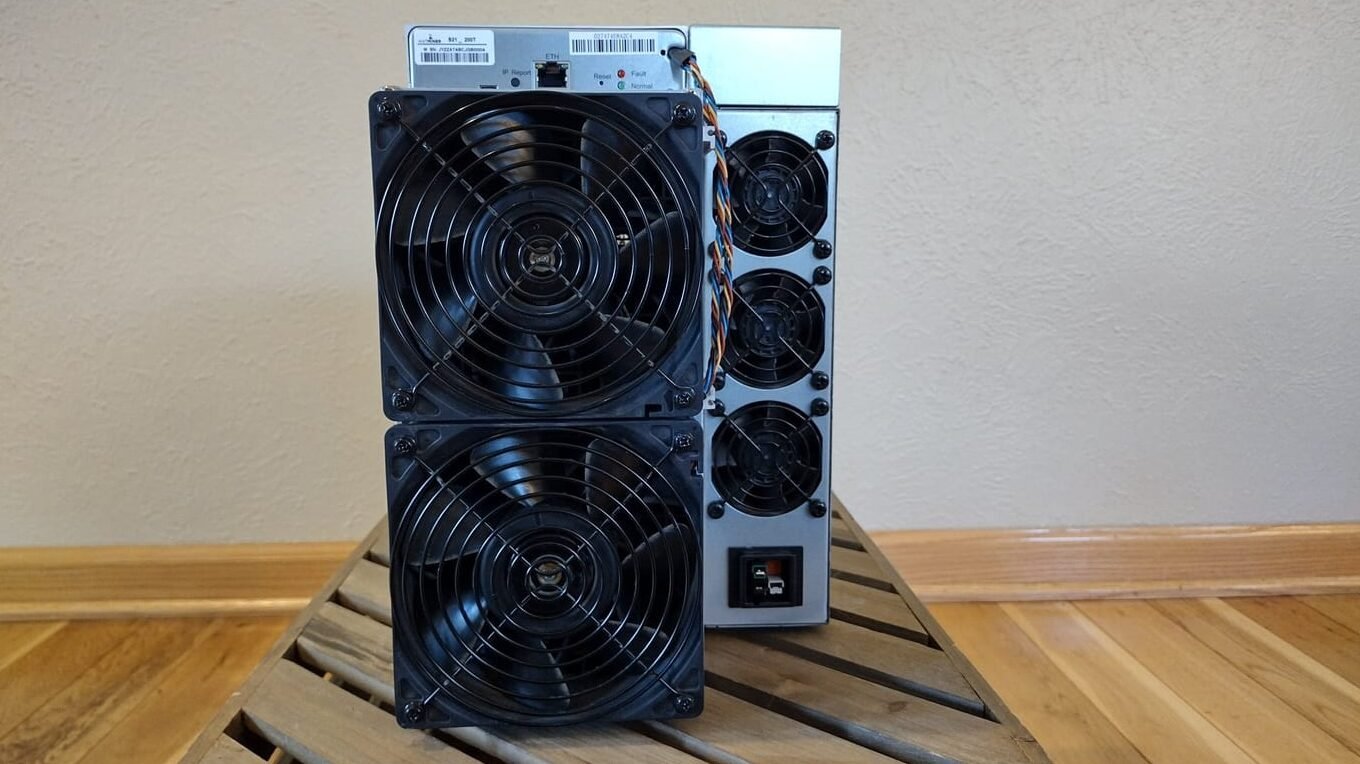
The cryptocurrency mining landscape has evolved dramatically, making a comprehensive bitcoin ASIC miner comparison 2025 essential for serious miners. With Bitcoin’s increasing difficulty and the post-halving environment, selecting the right Application-Specific Integrated Circuit (ASIC) miner can significantly impact the success or failure of your mining operation. Modern ASIC miners offer unprecedented hash rates while consuming less energy than their predecessors.
However, with dozens of models flooding the market, navigating the options requires careful analysis of performance metrics, electricity costs, and return-on-investment calculations. This detailed comparison examines the top-performing miners, helping you make an informed decision that aligns with your budget and mining goals. Whether you’re a home miner starting your first operation or an industrial facility scaling up, understanding the nuances between different ASIC models is crucial for maximizing profitability in today’s competitive mining environment.
Current State of Bitcoin Mining in 2025
The Bitcoin mining industry has reached unprecedented levels of sophistication and competition. With network hash rate consistently breaking records and mining difficulty adjusting accordingly, only the most efficient hardware remains profitable for most operators. The post-halving landscape has fundamentally changed mining economics. Block rewards reduced to 3.125 BTC have forced miners to prioritize efficiency over raw hash rate. This shift has accelerated the retirement of older generation miners and created intense demand for next-generation ASIC technology.
Energy costs now represent the primary factor determining mining profitability. Countries with subsidized electricity rates continue attracting large-scale mining operations, while home miners in regions with expensive power face increasing challenges maintaining profitable operations. Geopolitical factors have also reshaped the mining landscape. Regulatory changes in various jurisdictions have forced miners to adapt their strategies, with many operations relocating to crypto-friendly regions offering stable power infrastructure and favorable regulations.
Top Bitcoin ASIC Miners in 2025
Bitmain Antminer S21 Series
The Antminer S21 represents Bitmain’s flagship offering for 2025, delivering exceptional performance across multiple configurations. The standard S21 provides 200 TH/s hash rate while consuming 3,550W, achieving an impressive efficiency of 17.75 J/TH. Advanced cooling systems and optimized chip architecture enable the S21 to maintain stable performance even in challenging environmental conditions.
The miner incorporates next-generation 5nm chips, representing a significant advancement over previous generations. Price points for the S21 range from $3,200 to $3,800, depending on order volume and delivery timeframes. Despite the premium pricing, strong efficiency ratings make the S21 attractive for operators with access to affordable electricity.
Whatsminer M60S Series
MicroBT’s Whatsminer M60S challenges Bitmain’s dominance with competitive specifications and pricing. The M60S delivers 172 TH/s while consuming 3,344W, achieving approximately 19.44 J/TH efficiency. Build quality improvements address previous reliability concerns that affected earlier Whatsminer models.
Enhanced cooling systems and robust power supply units contribute to improved longevity and reduced maintenance requirements. Pricing for the M60S typically ranges from $2,800 to $3,400, offering excellent value proposition for budget-conscious miners. The lower entry cost, combined with solid performance metrics, makes the M60S particularly attractive for medium-scale operations.
Canaan AvalonMiner 1466
Canaan’s AvalonMiner 1466 targets the mid-range market segment with balanced performance and competitive pricing. Delivering 150 TH/s at 3,420W consumption, the efficiency rating reaches 22.8 J/TH. While not matching the peak performance of premium models, the AvalonMiner offers reliable operation and excellent customer support. Canaan’s established reputation and proven track record provide confidence for miners prioritizing stability over cutting-edge performance. Retail pricing for the AvalonMiner 1466 ranges from $2,200 to $2,800, representing excellent value for miners operating in regions with moderate electricity costs.
Bitcoin ASIC Miner Comparison 2025: Performance Analysis
Hash Rate Performance Comparison
Raw hash rate remains a critical metric, but efficiency gains have become equally important in today’s market. The Antminer S21 leads hash rate performance, followed closely by various Whatsminer configurations. However, hash rate alone doesn’t determine profitability. Miners must consider the relationship between hash rate, power consumption, and local electricity costs to calculate true profitability metrics.
Next-generation miners consistently outperform older models in hash rate per watt calculations. This efficiency advantage becomes more pronounced as electricity costs increase, making newer hardware essential for maintaining competitive operations.
Power Efficiency Rankings
Power efficiency separates profitable miners from money-losing operations in 2025’s competitive environment. Leading models achieve efficiency ratings below 20 J/TH, with premium units approaching 15 J/TH in optimal conditions.
The Antminer S21 Pro sets the efficiency standard at approximately 15.5 J/TH, followed by select Whatsminer models achieving similar performance levels. Mid-tier options typically range between 18-22 J/TH, while budget models may exceed 25 J/TH.
Efficiency improvements directly translate to reduced electricity consumption and increased profit margins. Miners operating in regions with high electricity costs should prioritize efficiency over raw hash rate when selecting hardware.
Build Quality and Reliability Assessment
Reliability has become increasingly important as mining operations scale and professional management becomes standard. Leading manufacturers have invested heavily in improving build quality and reducing failure rates. Bitmain’s latest generation demonstrates significant reliability improvements over previous models. Enhanced cooling systems and higher-quality components contribute to extended operational lifespans and reduced maintenance requirements. Whatsminer has addressed previous reliability concerns through improved quality control and component selection. Recent models show marked improvement in failure rates compared to earlier generations, making them viable alternatives to Bitmain products.
Profitability Analysis and ROI Calculations

Current Market Profitability
Bitcoin mining profitability in 2025 depends heavily on electricity costs and operational efficiency. With average residential electricity rates around $0.10-0.15 per kWh, only the most efficient miners remain profitable for home operations. Industrial operations accessing wholesale electricity rates below $0.05 per kWh maintain healthy profit margins with current-generation hardware.
These operations benefit from economies of scale and optimized cooling systems that maximize equipment efficiency. Profitability calculations must account for pool fees, maintenance costs, and potential downtime. Conservative estimates suggest 5-10% additional costs beyond electricity and equipment depreciation.
ROI Timeline Projections
Return on investment timelines vary significantly based on electricity costs, Bitcoin prices, and operational efficiency. Under optimal conditions, premium miners may achieve ROI within 12-18 months. Conservative projections for home miners suggest ROI periods extending 24-36 months, assuming stable Bitcoin prices and moderate electricity costs. These extended timelines increase investment risk and require careful consideration of market volatility. Industrial operations with access to cheap electricity and bulk hardware pricing may achieve ROI within 8-12 months, making large-scale mining more attractive than small-scale operations.
Choosing the Right ASIC Miner for Your Needs
Home Mining Considerations
Home miners face unique challenges including noise restrictions, electrical capacity limitations, and higher electricity rates. Selecting appropriate hardware requires balancing performance with practical constraints. Noise levels become critical for residential operations. Premium miners typically operate at 70-80 decibels, requiring soundproofing or dedicated spaces away from living areas. Electrical infrastructure often limits home mining operations. Most residential circuits cannot support multiple high-power miners without significant electrical upgrades, adding to initial setup costs.
Industrial Mining Requirements
Large-scale operations prioritize efficiency and reliability over individual unit costs. Bulk purchasing provides significant cost advantages while ensuring consistent hardware specifications across installations. Cooling infrastructure becomes critical for industrial operations. Proper ventilation and temperature control systems maximize equipment lifespan and maintain optimal performance levels. Maintenance and support capabilities factor heavily into industrial hardware selection. Operators require reliable warranty coverage and responsive technical support to minimize operational disruptions.
Market Trends and Future Outlook
Technology Development Trends
ASIC technology continues advancing rapidly, with manufacturers pursuing smaller process nodes and improved chip architectures. Next-generation miners promise further efficiency gains while maintaining or increasing hash rates. Cooling technology innovations focus on reducing power consumption while improving heat dissipation. Advanced cooling systems enable higher performance density and extended equipment lifespans. Integration of monitoring and management systems becomes standard across premium miners. Remote monitoring capabilities and automated optimization features reduce operational overhead for large-scale installations.
Regulatory Impact on Mining Hardware
Evolving regulations worldwide affect mining hardware selection and deployment strategies. Energy efficiency requirements in some jurisdictions favor newer, more efficient models over older hardware. Import regulations and tariffs influence hardware pricing and availability in different markets. Miners must consider these factors when planning equipment purchases and deployment timelines. Environmental concerns drive demand for more efficient mining hardware. Regulatory pressure for reduced carbon emissions incentivizes adoption of next-generation equipment with improved efficiency ratings.
Conclusion
This comprehensive bitcoin ASIC miner comparison 2025 reveals that success in today’s mining environment requires careful hardware selection based on your specific circumstances. The Antminer S21 series leads in efficiency and performance, while Whatsminer models offer competitive alternatives at attractive price points.
Remember that profitability extends beyond initial hardware costs. Electricity rates, cooling requirements, maintenance needs, and operational expertise all influence your mining success. Premium miners justify higher upfront costs through improved efficiency and reliability, particularly for long-term operations.
Se Mor:Best Bitcoin Mining Hardware Comparison & Reviews 2025
