

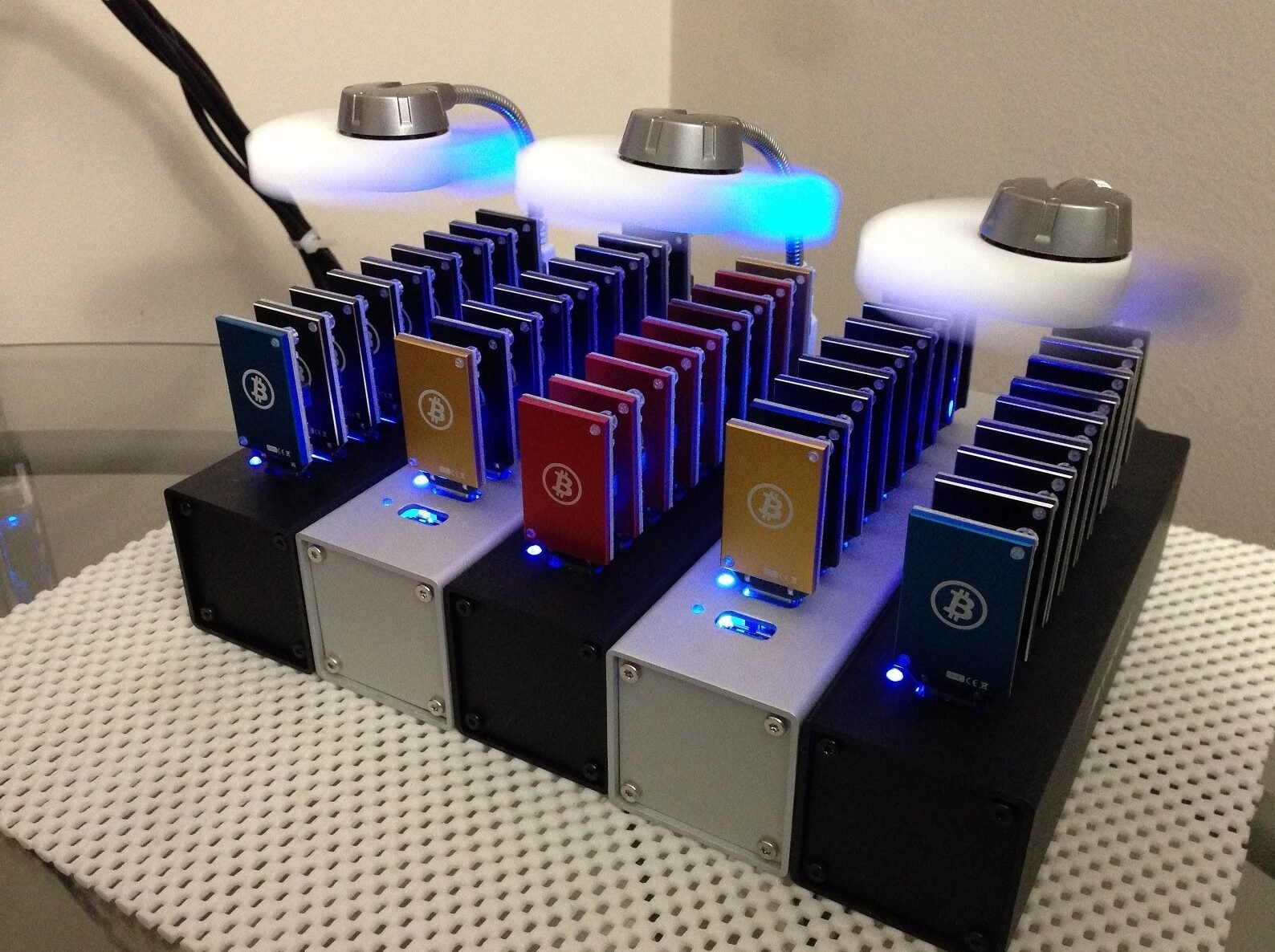
Investing in Bitcoin mining hardware requires careful financial planning and accurate calculations to ensure profitability. A Bitcoin mining hardware ROI calculator is a crucial tool that helps miners determine whether their investment will yield positive returns and when they can expect to break even. With Bitcoin’s volatile price movements and increasing mining difficulty your potential return on investment has never been more critical for both new and experienced miners.
The world of cryptocurrency mining has evolved dramatically since Bitcoin’s inception, with mining hardware becoming increasingly sophisticated and expensive. Today’s miners face complex decisions about which equipment to purchase, where to operate, and how long it will take to recover their initial investment. This comprehensive guide will walk you through everything you need to know about calculating mining hardware ROI, from basic concepts to advanced optimization strategies.
What Is Bitcoin Mining Hardware ROI?
Return on Investment (ROI) in Bitcoin mining refers to the percentage of profit or loss generated from your mining hardware investment over a specific period. Unlike traditional investments, mining ROI involves ongoing operational costs, variable Bitcoin prices, and changing network difficulty levels that directly impact your profitability.
Bitcoin mining ROI calculations must account for several dynamic factors, including electricity costs, hardware efficiency, pool fees, and maintenance expenses. The volatile nature of cryptocurrency markets means that a profitable mining operation today might become unprofitable tomorrow without proper planning and continuous monitoring.
ROI helps miners make informed decisions about equipment purchases, operational scaling, and long-term business sustainability. Professional miners often target specific ROI thresholds before committing to hardware investments, typically aiming for break-even periods between 6 and 18 months, depending on market conditions.
How Bitcoin Mining Hardware ROI Calculator Works
A comprehensive Bitcoin mining hardware ROI calculator processes multiple variables to provide accurate profitability projections. The calculator typically requires inputs including hardware cost, hash rate, power consumption, electricity rate, pool fees, and current Bitcoin price to generate meaningful results.
The calculation process begins by determining daily mining revenue based on your hardware’s hash rate and the current network difficulty. This revenue is then reduced by daily operational costs, including electricity, pool fees, and maintenance expenses to arrive at your net daily profit. The calculator then projects these figures over time to show cumulative profits and break-even timeframes.
Advanced ROI calculators also factor in Bitcoin’s halving events, difficulty adjustments, and hardware depreciation to provide more realistic long-term projections. Some calculators allow users to input custom scenarios for Bitcoin price predictions and difficulty growth rates, enabling more sophisticated investment analysis.
Key Factors Affecting Mining Hardware ROI
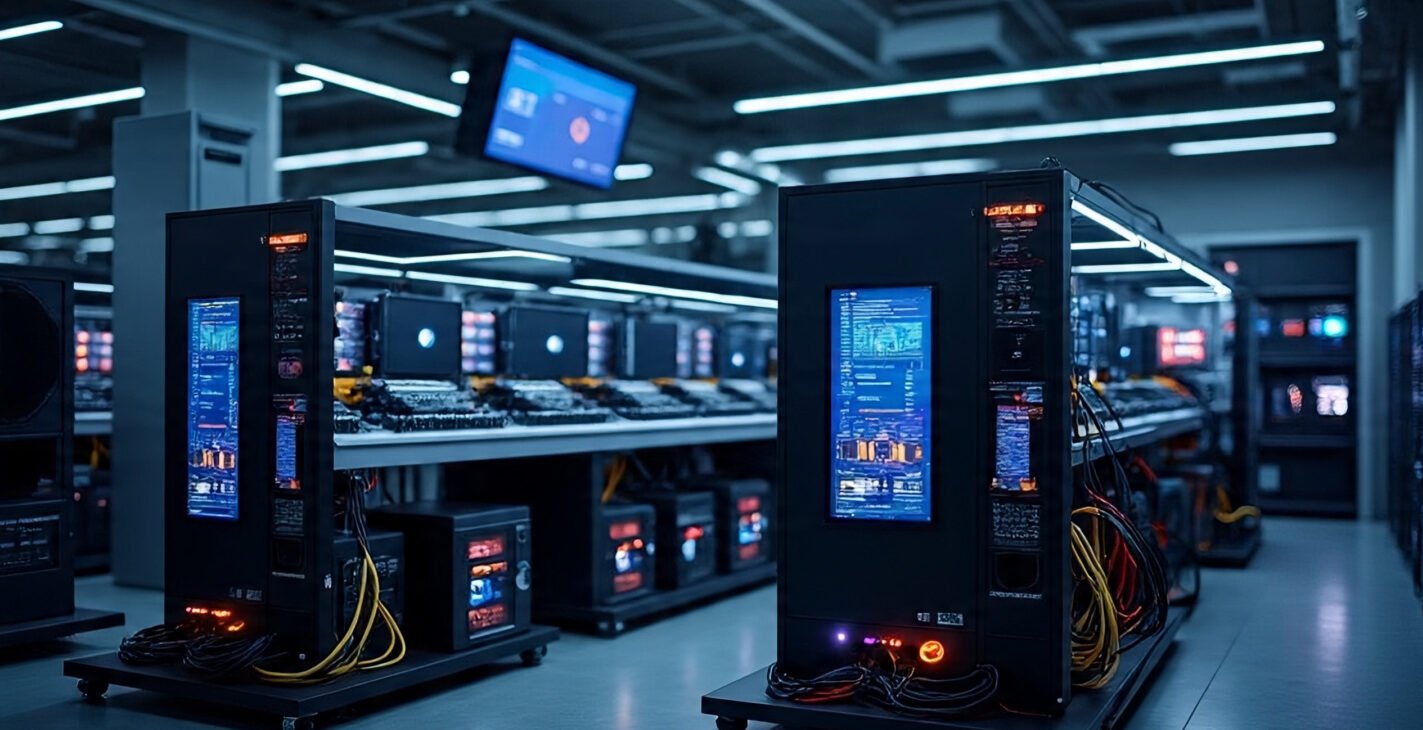
Hardware Specifications and Efficiency
The efficiency of your mining hardware, measured in hash rate per watt (TH/s per W), directly impacts your ROI calculations. Modern ASIC miners like the Antminer S19 XP or Whatsminer M50S offer superior efficiency compared to older models, generating more Bitcoin per unit of electricity consumed.
Hash rate determines how much computational power your hardware contributes to the Bitcoin network, directly correlating with your share of mining rewards. Higher hash rates increase your chances of earning Bitcoin, but they also typically require higher initial investments and greater power consumption.
Power consumption represents one of the largest ongoing operational costs in mining operations. Miners in regions with expensive electricity must carefully evaluate whether high-efficiency hardware can offset increased power costs through improved performance and reduced energy usage.
Electricity Costs and Location Advantages
Electricity costs represent the largest variable expense in Bitcoin mining operations, often accounting for 60-80% of total operational costs. Miners in regions with cheap, abundant electricity enjoy significant competitive advantages and faster ROI realization compared to those in high-cost areas.
Industrial electricity rates vary dramatically worldwide, ranging from under $0.03 per kWh in some regions to over $0.20 per kWh in others. This variation can mean the difference between highly profitable mining operations and complete financial losses, making location selection crucial for ROI optimization.
Some miners pursue renewable energy solutions or negotiate special rates with utilities to reduce electricity costs. Solar, wind, and hydroelectric power can provide cost stability and environmental benefits, though they require additional capital investment that must be factored into ROI calculations.
Network Difficulty and Competition
Bitcoin’s mining difficulty adjusts approximately every two weeks to maintain consistent block times as more miners join or leave the network. Increasing difficulty means existing hardware generates fewer Bitcoins over time, directly impacting long-term ROI projections and requiring regular recalculation of profitability forecasts.
The global mining landscape becomes increasingly competitive as institutional miners deploy massive operations with cutting-edge hardware. Individual miners must carefully consider whether they can compete effectively or should focus on niche strategies like renewable energy mining or specialized pool participation.
Difficulty increases typically correlate with Bitcoin price movements and hardware availability. During bull markets, rapid difficulty growth can quickly erode mining profitability, while bear markets may see difficulty reductions that improve ROI for surviving miners.
Top Bitcoin Mining Hardware Options for 2025
ASIC Miners Comparison
The current generation of ASIC miners offers unprecedented efficiency and hash rates, though at significantly higher price points than previous generations. Leading manufacturers like Bitmain, MicroBT, and Canaan continue pushing efficiency boundaries while managing supply chain challenges and component costs.
Premium models like the Antminer S19 XP Hyd and Whatsminer M53S++ deliver hash rates exceeding 250 TH/s while maintaining excellent efficiency ratings. These high-performance machines command premium prices but offer superior ROI potential in favorable conditions with cheap electricity and stable operations.
Mid-range options provide balanced performance and pricing for miners seeking reasonable ROI without maximum capital commitment. Models like the Antminer S19j Pro and Whatsminer M31S+ offer good efficiency at more accessible price points, making them popular choices for smaller operations and individual miners.
Performance Metrics That Matter
Hash rate remains the primary performance indicator for mining hardware, determining your share of network rewards and daily Bitcoin generation. However, modern miners must also consider efficiency metrics, reliability ratings, and long-term support availability when evaluating hardware options.
Efficiency measurements in joules per terahash (J/TH) help compare operational costs across different hardware models. Lower J/TH ratings indicate better efficiency and reduced electricity costs, directly improving ROI calculations and long-term profitability projections.
Reliability factors, including failure rates, warranty coverage, and manufacturer support, significantly impact ROI through reduced downtime and maintenance costs. Hardware with proven reliability records and comprehensive warranty coverage often justifies higher initial investments through improved operational consistency.
Using a Bitcoin Mining Hardware ROI Calculator Effectively

Essential Input Parameters
Accurate ROI calculations require precise input data, including current hardware prices, shipping costs, setup expenses, and ongoing operational costs. Many miners underestimate total initial investment by overlooking infrastructure requirements, electrical installations, cooling systems, and regulatory compliance costs.
Current Bitcoin price and difficulty levels form the baseline for profitability calculations, though these values change constantly. Most calculators use current figures while allowing users to input custom scenarios for sensitivity analysis and risk assessment under different market conditions.
Pool fees, typically ranging from 1-3% of gross mining revenue, must be included in ROI calculations along with potential transaction fees and withdrawal costs. Some pools offer additional benefits like merged mining or loyalty programs that can improve overall returns beyond basic fee structures.
Interpreting Calculator Results
ROI calculator outputs typically include daily, monthly, and yearly profit projections along with break-even timelines and cumulative profit curves. These metrics help miners evaluate investment attractiveness and compare different hardware options or operational scenarios.
Break-even analysis shows when cumulative profits equal the initial investment, representing the critical milestone for investment recovery. Shorter break-even periods generally indicate more attractive investments, though miners must consider long-term profitability beyond the break-even point for comprehensive evaluation.
Profit curves demonstrate how returns accumulate over time while accounting for changing difficulty levels and potential price movements. These projections help miners understand investment risks and potential rewards under different market scenarios and operational timeframes.
Advanced Calculator Features
Sophisticated ROI calculators incorporate dynamic difficulty adjustments, historical price volatility, and halving event impacts to provide more realistic long-term projections. These features help miners understand how changing market conditions affect investment returns over extended periods.
Some calculators allow custom input scenarios for Bitcoin price predictions, difficulty growth rates, and electricity cost changes. This flexibility enables miners to perform sensitivity analysis and stress testing under various market conditions to better understand investment risks and opportunities.
Portfolio analysis features help miners evaluate multiple hardware options simultaneously, optimizing investment allocation across different efficiency levels and price points. This capability proves valuable for larger operations, planning equipment purchases, and upgrade strategies.
Bitcoin Mining Profitability Analysis
Current Market Conditions
The Bitcoin mining landscape in 2025 presents unique challenges and opportunities for hardware investors. Recent market volatility, regulatory developments, and technological advances continue to reshape profitability calculations and investment strategies across the global mining ecosystem.
Institutional mining operations continue expanding globally while pursuing efficiency improvements and cost reductions through scale advantages and strategic location selection. Individual miners face increasing pressure to optimize operations or collaborate through mining pools and cooperative arrangements.
Energy market developments, including renewable energy adoption and grid modernization efforts, create new opportunities for sustainable mining operations. Forward-thinking miners increasingly pursue long-term electricity contracts and renewable energy partnerships to stabilize operational costs and improve ROI predictability.
Break-Even Analysis Strategies
Effective break-even analysis considers multiple scenarios, including conservative, optimistic, and pessimistic market conditions, to provide a comprehensive investment evaluation. This approach helps miners understand potential risks and rewards while preparing contingency plans for various market developments.
Conservative projections typically assume modest Bitcoin price growth, steady difficulty increases, and stable operational costs. These scenarios provide baseline expectations for investment recovery timelines and help miners establish minimum acceptable return thresholds for hardware purchases.
Optimistic scenarios explore potential upside from favorable market conditions, including Bitcoin price appreciation, efficiency improvements, or reduced operational costs. While these projections show maximum potential returns, miners should avoid basing investment decisions solely on optimistic assumptions without considering downside risks.
Risk Assessment and Mitigation
Bitcoin mining investments face multiple risk categories, including market volatility, technological obsolescence, regulatory changes, and operational challenges. Comprehensive risk assessment helps miners develop strategies to protect investments and maintain profitability under adverse conditions.
Market risk from Bitcoin price volatility represents the most significant factor affecting mining ROI, with price declines potentially eliminating profitability rapidly. Miners can mitigate this risk through hedging strategies, diversified revenue streams, or flexible operational models that reduce fixed costs during unfavorable periods.
Technological risk from hardware obsolescence requires careful consideration of equipment lifecycles and upgrade strategies. Miners should evaluate how long current hardware remains competitive and plan replacement schedules to maintain operational efficiency and profitability over time.
Maximizing Your Mining Hardware ROI
Optimization Strategies
Successful mining operations continuously optimize performance through hardware tuning, efficient cooling systems, and strategic pool selection. These improvements can significantly impact ROI by reducing operational costs and maximizing Bitcoin generation from existing equipment investments.
Power management represents one of the most effective optimization areas, with techniques including load balancing, peak demand management, and power factor correction delivering measurable cost reductions. Advanced mining operations increasingly deploy intelligent power management systems that automatically adjust operations based on electricity pricing and grid conditions.
Cooling optimization through efficient airflow design, ambient temperature management, and waste heat recovery can reduce operational costs while extending hardware lifecycles. Some operations explore innovative cooling solutions, including immersion cooling or geothermal systems that provide competitive advantages through improved efficiency.
Scaling Considerations
Mining operation scaling requires careful analysis of infrastructure capacity, capital requirements, and market conditions to ensure profitable expansion. Successful scaling strategies balance growth ambitions with risk management and operational sustainability requirements.
Infrastructure considerations, including electrical capacity, cooling systems, and physical space, must support planned expansion while maintaining operational efficiency. Inadequate infrastructure planning can create bottlenecks that reduce overall ROI and limit growth potential despite successful equipment investments.
Capital allocation strategies help miners prioritize equipment purchases and infrastructure investments based on ROI potential and risk assessment. Effective allocation considers equipment lifecycles, technological advancement timelines, and market condition forecasts to optimize investment timing and resource deployment.
Long-term Investment Planning
Sustainable mining operations require long-term planning that considers equipment replacement cycles, technology evolution, and market development trends. This strategic approach helps miners maintain competitiveness and profitability through changing market conditions and technological advances.
Equipment replacement planning should consider both performance degradation and technological obsolescence to maintain optimal ROI over time. Miners who plan replacement schedules proactively can often achieve better trade-in values and avoid extended periods with suboptimal performance.
Technology roadmaps from major manufacturers provide insights into future hardware developments that may impact current investment decisions. Upcoming efficiency improvements and performance advances helps miners time purchases and avoid investing in equipment that becomes obsolete quickly.
Common ROI Calculation Mistakes to Avoid

Underestimating Total Costs
Many miners focus primarily on hardware costs while underestimating additional expenses, including shipping, customs duties, installation costs, and infrastructure requirements. These overlooked costs can significantly impact actual ROI and lead to disappointing investment performance despite accurate hardware calculations.
Ongoing operational costs beyond electricity include maintenance, repairs, insurance, and regulatory compliance expenses that accumulate over time. Failure to account for these costs in ROI calculations creates unrealistic profitability expectations and can lead to cash flow problems during operation.
Hidden costs such as power infrastructure upgrades, specialized cooling systems, and professional installation services often surprise new miners with unexpected expenses. A comprehensive cost analysis should include all investment requirements to provide accurate ROI projections and investment evaluation.
Overly Optimistic Projections
Aggressive Bitcoin price assumptions and underestimated difficulty growth rates frequently lead to disappointing actual performance compared to initial ROI projections. Conservative assumptions generally provide more reliable investment guidance and help miners prepare for various market scenarios.
Static analysis that ignores difficulty adjustments and market volatility creates unrealistic long-term projections that may not reflect actual mining economics. Dynamic calculations that incorporate changing conditions provide more accurate ROI estimates and better investment decision support.
Ignoring potential downside scenarios leaves miners unprepared for market downturns or operational challenges that could impact profitability. Comprehensive analysis should consider multiple scenarios to provide realistic expectations and risk assessment for investment decisions.
Timing and Market Analysis Errors
Market timing assumptions significantly impact ROI calculations, with miners who purchase hardware during peak demand often experiencing reduced profitability compared to those who time purchases strategically. market cycles and hardware availability patterns helps optimize investment timing.
Difficulty projection errors can substantially impact long-term ROI calculations, particularly for miners who underestimate network growth rates. Historical difficulty trends and network analysis provide valuable insights for more accurate future projections.
Price volatility analysis helps miners understand potential ROI ranges under different market conditions rather than relying on single-point estimates. This approach provides better risk assessment and helps miners prepare for various profitability scenarios during equipment lifecycles.
Future of Bitcoin Mining Hardware ROI
Technology Advancement Impact
Next-generation mining hardware continues improving efficiency and performance while manufacturers explore new technologies, including advanced chip designs, improved cooling systems, and enhanced power management capabilities. These developments directly impact ROI calculations through improved performance and reduced operational costs.
Emerging technologies such as immersion cooling, AI-optimized mining operations, and renewable energy integration create new opportunities for ROI optimization. Early adopters of these technologies may achieve competitive advantages through improved efficiency and reduced environmental impact.
Industry consolidation and increasing competition drive continuous innovation in mining hardware design and manufacturing processes. This competitive environment benefits miners through improved options and potentially better pricing, though it also accelerates equipment obsolescence cycles.
Market Evolution Predictions
The Bitcoin mining industry continues evolving through institutional adoption, regulatory development, and technological advancement. These trends shape future ROI potential and investment opportunities while creating new challenges for traditional mining operations.
Regulatory developments worldwide increasingly impact mining operations through energy requirements, environmental regulations, and taxation policies. Regulatory trends help miners assess long-term investment viability and compliance requirements for different operational locations.
Conclusion
Calculating Bitcoin mining hardware ROI requires a comprehensive analysis of multiple variables, including equipment costs, operational expenses, market conditions, and long-term sustainability factors. A reliable Bitcoin mining hardware ROI calculator serves as an essential tool for making informed investment decisions and optimizing mining profitability in an increasingly competitive landscape.
Successful mining operations combine accurate ROI calculations with strategic planning, risk management, and continuous optimization to maintain profitability through changing market conditions. By the key factors affecting returns and avoiding common calculation mistakes, miners can make better investment decisions and achieve sustainable profitability.
See More: Best Bitcoin Cloud Mining Platforms 2025 Complete Guide
