

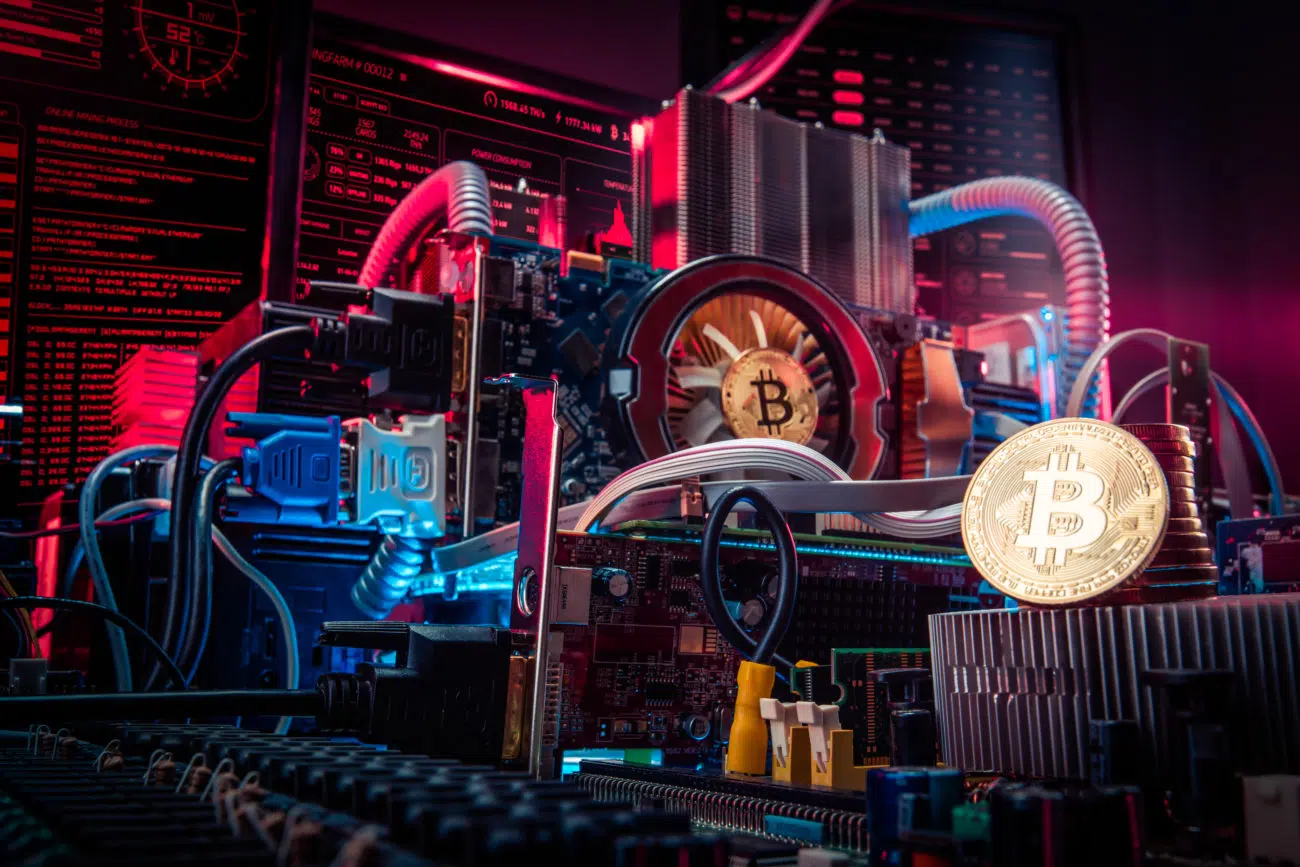
Choosing the right equipment can make or break your cryptocurrency venture, which is why having a comprehensive bitcoin mining hardware comparison guide is essential for both beginners and experienced miners. With the Bitcoin network’s increasing difficulty and competition, selecting optimal mining hardware has become more critical than ever. This detailed bitcoin mining hardware comparison guide will walk you through everything you need to know about ASIC miners, GPUs, profitability calculations, and the most cost-effective solutions available in 2024. Whether you’re planning a small home mining operation or considering a large-scale mining farm, understanding the differences between various mining hardware options will help you make informed decisions that maximize your return on investment.
Bitcoin Mining Hardware Types
ASIC Miners vs. GPU Mining Rigs
The fundamental choice in any bitcoin mining hardware comparison guide centers around Application-Specific Integrated Circuits (ASICs) versus Graphics Processing Units (GPUs). ASIC miners are purpose-built for cryptocurrency mining, offering superior hash rates and energy efficiency compared to general-purpose hardware. These specialized machines dominate Bitcoin mining due to their optimized design for SHA-256 algorithm calculations.
GPU mining rigs, while less efficient for Bitcoin specifically, offer greater versatility. These systems can mine various cryptocurrencies and serve other computational purposes when not mining. However, the Bitcoin network’s current difficulty level makes GPU mining largely unprofitable for Bitcoin, though they remain viable for alternative cryptocurrencies.
Hash Rate and Power Consumption Fundamentals
When evaluating mining hardware, two critical metrics determine profitability: hash rate and power consumption. Hash rate measures how many calculations per second your hardware can perform, typically expressed in terahashes per second (TH/s) for Bitcoin mining. Higher hash rates increase your chances of successfully mining blocks and earning rewards.
Power consumption directly impacts operational costs through electricity bills. The most profitable mining hardware achieves the optimal balance between high hash rates and reasonable power consumption, measured in watts. This relationship is often expressed as efficiency in watts per terahash (W/TH).
Bitcoin Mining Hardware Comparison Guide: Top ASIC Miners 2024
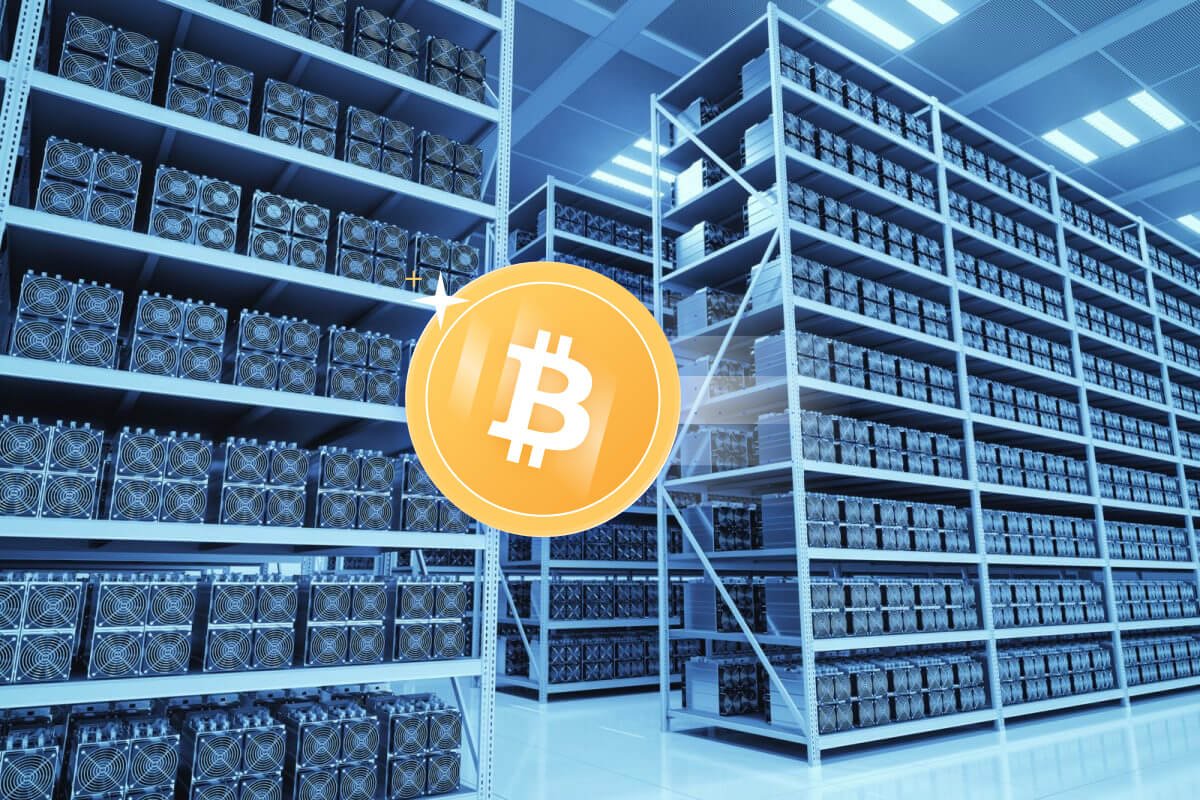
Antminer Series Analysis
Antminer S19 Pro
- Hash Rate: 110 TH/s
- Power Consumption: 3,250W
- Efficiency: 29.5 W/TH
- Price Range: $2,800-$3,500
- Profitability: High (depending on electricity costs)
The Antminer S19 Pro represents Bitmain’s flagship mining solution, offering exceptional performance for large-scale operations. Its robust build quality and proven reliability make it a popular choice among professional miners.
Antminer S19j Pro
- Hash Rate: 104 TH/s
- Power Consumption: 3,068W
- Efficiency: 29.5 W/TH
- Price Range: $2,400-$3,000
- Best For: Balanced performance and cost
This model provides excellent value proposition, delivering substantial hash rates while maintaining competitive pricing. The S19j Pro suits miners seeking optimal price-to-performance ratios.
WhatsMiner Competition
WhatsMiner M30S++
- Hash Rate: 112 TH/s
- Power Consumption: 3,472W
- Efficiency: 31 W/TH
- Price Range: $2,600-$3,200
- Unique Features: Advanced cooling system
MicroBT’s WhatsMiner series provides strong competition to Bitmain’s dominance. The M30S++ offers comparable performance with innovative cooling solutions that extend hardware lifespan.
WhatsMiner M50S
- Hash Rate: 126 TH/s
- Power Consumption: 3,276W
- Efficiency: 26 W/TH
- Price Range: $3,200-$4,000
- Advantage: Superior efficiency ratings
The M50S leads in energy efficiency among current-generation miners, making it ideal for regions with higher electricity costs.
Profitability Calculations and ROI Analysis
Mining Profitability Factors
Several variables determine mining profitability beyond hardware specifications. Bitcoin’s market price significantly impacts revenue potential, while network difficulty adjustments affect individual miner earnings. Pool fees, maintenance costs, and operational expenses also influence overall profitability calculations.
Electricity costs represent the largest ongoing expense for most mining operations. Regions with industrial electricity rates below $0.05 per kWh typically offer the best profitability prospects. Climate considerations affect cooling costs, with cooler environments reducing operational expenses.
Break-Even Analysis Methods
Calculating break-even points requires comprehensive analysis of initial hardware costs, monthly operational expenses, and projected Bitcoin earnings. Most miners achieve break-even within 12-18 months under favorable conditions, though market volatility can extend or shorten these timeframes.
Professional miners use sophisticated modeling tools that account for difficulty adjustments, market price fluctuations, and hardware degradation over time. These calculations help determine optimal replacement cycles and expansion strategies.
Budget-Friendly Mining Hardware Options
Entry-Level ASIC Miners
For beginners or those with limited budgets, several affordable options provide entry points into Bitcoin mining. Older generation miners like the Antminer S9 series, while less efficient than modern units, can still generate modest profits in regions with extremely low electricity costs.
Antminer S9
- Hash Rate: 13.5 TH/s
- Power Consumption: 1,372W
- Current Market Price: $100-$300
- Best Use Case: Learning and small-scale operations
These older units serve as excellent learning tools for understanding mining operations without significant financial commitment.
Used Mining Equipment Considerations
The secondary market offers opportunities to acquire mining hardware at reduced prices. However, purchasing used equipment requires careful evaluation of remaining warranty coverage, operational history, and potential repair needs.
Reputable sellers provide detailed operational logs and maintenance records. Avoid units with signs of overheating, physical damage, or excessive wear. Factor potential repair costs and reduced lifespan into purchase decisions.
Advanced Mining Hardware Features
Cooling and Thermal Management
Effective cooling systems directly impact mining hardware longevity and performance. Modern ASIC miners generate significant heat, requiring adequate ventilation and temperature control. Inadequate cooling leads to thermal throttling, reducing hash rates and potentially causing permanent damage.
Professional installations use sophisticated cooling infrastructure including dedicated HVAC systems, liquid cooling solutions, and optimized airflow designs. Home miners should ensure proper ventilation and consider additional cooling solutions in warmer climates.
Firmware Optimization and Overclocking
Advanced users can enhance mining performance through firmware modifications and overclocking. These techniques can increase hash rates by 5-15% but require technical expertise and void manufacturer warranties.
Custom firmware solutions offer features like advanced monitoring, power optimization, and enhanced cooling control. However, improper implementation can damage hardware or create safety hazards.
Setting Up Your Mining Operation
Infrastructure Requirements
Successful mining operations require robust electrical infrastructure, reliable internet connectivity, and appropriate physical space. Residential miners must ensure adequate electrical capacity and proper circuit protection. Commercial operations need three-phase power systems and industrial-grade electrical components.
Network connectivity requirements are minimal for mining but critical for consistent operation. Redundant internet connections prevent costly downtime during network outages. Most miners consume less than 1 Mbps of bandwidth.
Mining Pool Selection
Individual mining rarely generates consistent income due to Bitcoin’s current difficulty levels. Mining pools combine computational resources from multiple miners, providing more predictable earnings through shared block rewards.
Popular mining pools include F2Pool, Antpool, and Slush Pool. Consider factors like pool fees, payout methods, geographical location, and reputation when selecting pools. Pool fees typically range from 1-3% of mining rewards.
Legal and Regulatory Considerations
Compliance Requirements by Region
Bitcoin mining legality varies significantly across jurisdictions. Some regions actively encourage cryptocurrency mining through favorable regulations and electricity rates, while others have implemented restrictions or outright bans.
Research local regulations regarding cryptocurrency mining, business licensing requirements, and tax obligations before investing in mining hardware. Professional operations may require permits, environmental impact assessments, and compliance with noise ordinances.
Tax Implications for Mining Operations
Mining operations generate taxable income in most jurisdictions. Revenue calculations typically use Bitcoin’s market value at the time of mining. Business expenses including equipment depreciation, electricity costs, and maintenance expenses may be tax-deductible.
Consult qualified tax professionals familiar with cryptocurrency regulations in your jurisdiction. Maintain detailed records of mining income, expenses, and hardware purchases for tax reporting purposes.
Future-Proofing Your Mining Investment

Technology Evolution Trends
The mining hardware industry continues evolving toward greater efficiency and performance. Next-generation ASIC miners will likely achieve hash rates exceeding 150 TH/s while maintaining or improving energy efficiency. These advances may render current-generation hardware obsolete more quickly than historical patterns suggest.
Consider hardware upgrade paths and resale value when making purchasing decisions. Equipment with strong secondary market demand provides better long-term value retention.
Scalability Planning
Successful miners often expand operations as profitability and experience increase. Plan initial installations with growth potential, ensuring adequate electrical capacity and physical space for additional hardware. Modular approaches facilitate gradual expansion without major infrastructure modifications.
Consider factors like equipment financing, bulk purchasing discounts, and operational scaling challenges when planning growth strategies. Professional consulting services can help design scalable mining operations.
Maintenance and Longevity
Preventive Maintenance Schedules
Regular maintenance extends mining hardware lifespan and maintains optimal performance. Cleaning dust buildup from cooling systems, monitoring fan operation, and checking electrical connections prevent common failure modes.
Establish maintenance schedules based on manufacturer recommendations and operating environment conditions. Dusty environments require more frequent cleaning, while high-temperature operations may need enhanced cooling system maintenance.
Troubleshooting Common Issues
Mining hardware reliability depends on proper operation and maintenance. Common issues include overheating, fan failures, power supply problems, and network connectivity issues. Develop troubleshooting procedures and maintain spare parts inventory for critical components.
Monitor mining performance metrics continuously to identify developing problems before they cause significant downtime. Many modern miners include built-in diagnostic capabilities and remote monitoring features.
Conclusion
This comprehensive bitcoin mining hardware comparison guide provides the essential information needed to make informed decisions about cryptocurrency mining investments. From entry-level options for beginners to professional-grade equipment for large-scale operations, understanding the performance characteristics, profitability factors, and operational requirements of different mining hardware will significantly impact your success in the competitive Bitcoin mining landscape.
Whether you’re considering the high-performance Antminer S19 Pro, the efficient WhatsMiner M50S, or budget-friendly alternatives, use this bitcoin mining hardware comparison guide as your foundation for building a profitable mining operation. Remember to factor in electricity costs, cooling requirements, and regulatory compliance when finalizing your hardware selections.
See more: Best Bitcoin Mining Machines 2025 Top ASIC Miners for Maximum Profit
