

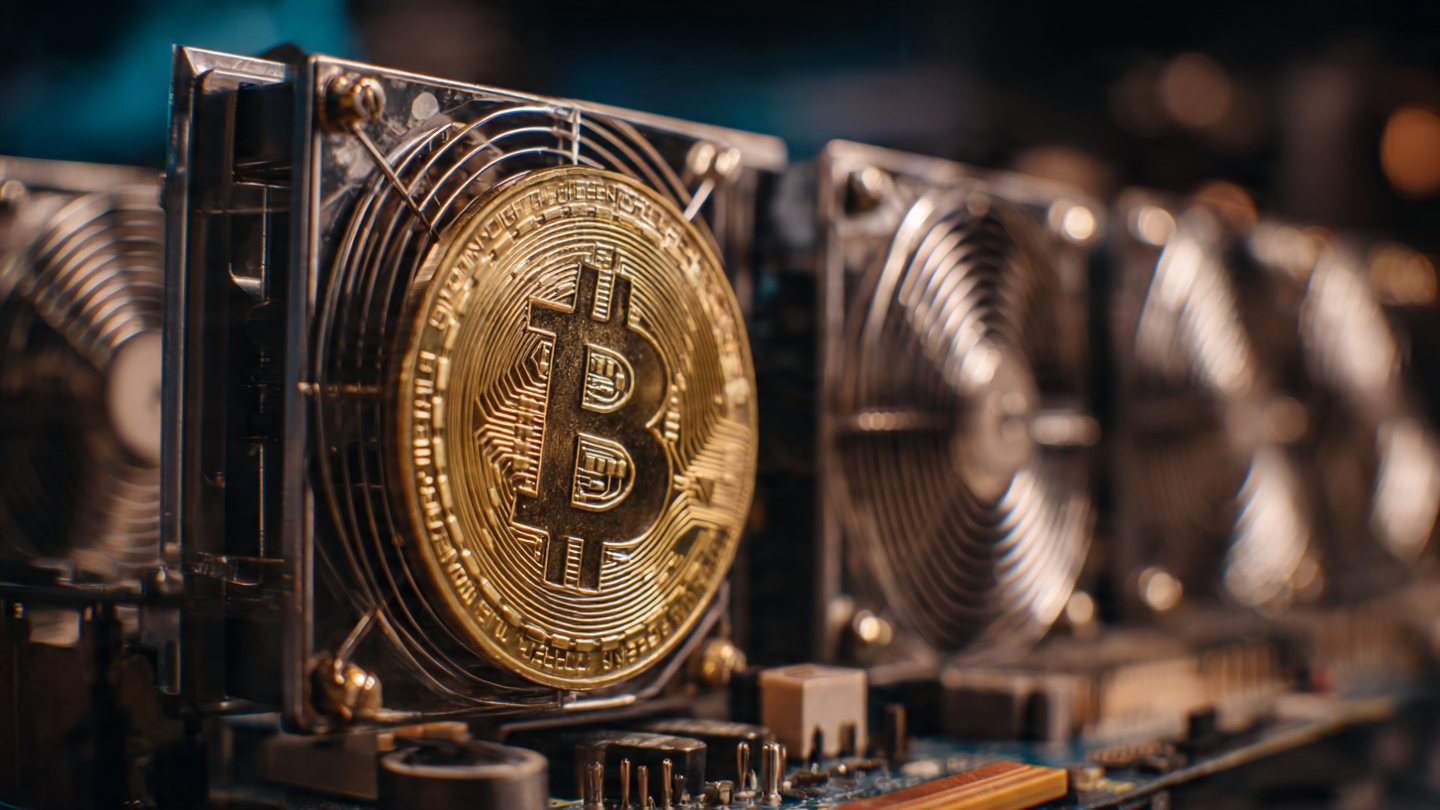
The cryptocurrency landscape continues to evolve rapidly, and selecting the right equipment for your Bitcoin mining hardware comparison 2025 research is more crucial than ever. With new ASIC miners entering the market and energy costs fluctuating globally, miners need comprehensive insights to make profitable investment decisions. This detailed comparison will help you navigate through the top Bitcoin mining hardware options available in 2025, analyzing their performance metrics, profitability potential, and long-term viability.
Whether you’re a seasoned mining veteran or just starting your cryptocurrency journey, the nuances of modern mining hardware is essential for success. The Bitcoin network’s increasing difficulty and the upcoming halving events make it imperative to choose equipment that can deliver sustainable returns while maintaining operational efficiency.
Top Bitcoin Mining Hardware in 2025
The Bitcoin mining industry has witnessed remarkable technological advancement in 2025, with several manufacturers releasing next-generation ASIC miners that push the boundaries of efficiency and performance. The current market leaders include Bitmain’s Antminer series, MicroBT’s WhatsMiner lineup, and Canaan’s AvalonMiner models.
Bitmain Antminer S21 Series
The Antminer S21 Pro stands as one of the most powerful miners available in 2025, delivering exceptional hashrate performance while maintaining reasonable power consumption. With a hashrate of 234 TH/s and power consumption of 3510W, this mining rig offers an impressive efficiency ratio of 15 J/TH.
Key specifications include:
- Hashrate: 234 TH/s
- Power Consumption: 3510W
- Efficiency: 15 J/TH
- Noise Level: 75 dB
- Operating Temperature: 0°C to 40°C
The S21 Pro’s advanced cooling system and robust build quality make it suitable for large-scale mining operations. However, the initial investment cost of approximately $3,200 requires careful ROI calculations.
MicroBT WhatsMiner M60S
MicroBT continues to challenge Bitmain’s market dominance with the WhatsMiner M60S, featuring competitive specifications and reliable performance. This miner delivers 228 TH/s at 3344W power consumption, resulting in an efficiency rating of 14.7 J/TH.
Notable features include:
- Hashrate: 228 TH/s
- Power Consumption: 3344W
- Efficiency: 14.7 J/TH
- Enhanced chip architecture
- Improved thermal management
The M60S appeals to miners seeking alternatives to Bitmain products while maintaining competitive performance metrics.
Bitcoin Mining Hardware Profitability Analysis 2025
Conducting a thorough Bitcoin mining hardware comparison 2025 requires analyzing profitability factors beyond initial specifications. Current Bitcoin prices, network difficulty, electricity costs, and mining pool fees significantly impact potential returns.

ROI Calculations and Break-Even Analysis
Calculating return on investment for mining hardware involves multiple variables that change continuously. Based on current market conditions in 2025, most high-end ASIC miners require 12-18 months to reach break-even points under optimal conditions.
Key profitability factors include:
- Bitcoin price volatility
- Network difficulty adjustments
- Electricity costs (typically 50-70% of operational expenses)
- Mining pool fees (1-3% of earnings)
- Hardware maintenance and replacement costs
Electricity Cost Impact on Mining Profitability
Electricity costs remain the primary operational expense for Bitcoin miners. In 2025, profitable mining operations typically require electricity rates below $0.08 per kWh. Regions with renewable energy sources or government subsidies offer competitive advantages.
Consider these electricity cost scenarios:
- $0.05/kWh: Highly profitable across all hardware types
- $0.08/kWh: Profitable with efficient hardware
- $0.12/kWh: Marginal profitability with top-tier equipment
- $0.15/kWh: Generally unprofitable for home mining
Energy Efficiency and Environmental Considerations
A modern Bitcoin mining hardware comparison for 2025 must address environmental concerns and improvements in energy efficiency. Manufacturers now prioritize developing miners with lower power consumption and higher computational efficiency.
Next-Generation Chip Technology
The transition to advanced semiconductor processes (5nm and 3nm) has significantly improved mining efficiency. These technological advances enable higher hashrates while reducing power consumption, making mining more sustainable and profitable.
Recent improvements include:
- Enhanced chip architecture design
- Better heat dissipation systems
- Optimized power delivery mechanisms
- Advanced cooling solutions
Sustainable Mining Practices
Environmental sustainability has become a critical factor in mining hardware selection. Many operations now integrate renewable energy sources and implement carbon-neutral practices to address regulatory concerns and improve public perception.
Home vs Industrial Mining Hardware Comparison
The choice between home-scale and industrial-grade mining equipment depends on various factors including available space, electrical infrastructure, noise tolerance, and investment capacity.
Home Mining Considerations
Home mining setups typically involve 1-5 ASIC miners with specific requirements:
- Adequate electrical capacity (220V outlets recommended)
- Proper ventilation and cooling
- Noise management solutions
- Internet connectivity stability
- Local regulations compliance
Popular home mining options include compact miners with lower noise levels and reduced power consumption, though they may offer lower profitability per unit.
Industrial Mining Operations
Large-scale mining operations benefit from economies of scale, accessing wholesale electricity rates and deploying hundreds or thousands of mining units. Industrial setups require:
- Dedicated facilities with industrial electrical infrastructure
- Professional cooling and ventilation systems
- 24/7 monitoring and maintenance capabilities
- Redundant internet connections
- Compliance with commercial regulations
Future Trends in Bitcoin Mining Hardware
The Bitcoin mining industry continues evolving with emerging technologies and changing market dynamics. future trends helps miners make informed long-term investment decisions.
Technological Innovations on the Horizon
Several technological developments will shape the future of Bitcoin mining:
- Immersion cooling technologies for improved efficiency
- AI-optimized mining operations
- Integration with renewable energy systems
- Modular mining system designs
- Enhanced remote monitoring capabilities
Regulatory Impact on Mining Hardware
Increasing regulatory scrutiny worldwide affects mining hardware selection and deployment strategies. Miners must consider:
- Energy efficiency requirements
- Environmental compliance standards
- Import/export restrictions
- Local zoning regulations
- Tax implications for equipment purchases
Mining Pool Integration and Software Compatibility
Modern mining hardware requires seamless integration with mining pools and compatible software solutions. The choice of mining pool significantly impacts overall profitability and operational efficiency.
Popular Mining Pool Options
Leading mining pools in 2025 offer various features and fee structures:
- Antpool: Comprehensive mining services with competitive fees
- F2Pool: Global reach with multiple cryptocurrency support
- Slush Pool: Transparent fee structure and reliable payouts
- ViaBTC: Innovative mining solutions and user-friendly interface
Mining Software and Firmware Updates
Regular firmware updates optimize mining performance and address security vulnerabilities. Manufacturers typically release updates that:
- Improve mining efficiency
- Add new mining pool support
- Enhance security features
- Fix operational bugs
- Optimize power consumption
Maintenance and Operational Considerations
Successful Bitcoin mining requires ongoing maintenance and operational management to maximize hardware lifespan and profitability.
Preventive Maintenance Schedules
Regular maintenance prevents costly downtime and extends equipment life:
- Monthly dust cleaning and fan inspection
- Quarterly thermal paste replacement
- Semi-annual electrical connection checks
- Annual comprehensive system audits
Troubleshooting Common Issues
Miners should be prepared to address common operational challenges:
- Overheating problems and cooling solutions
- Network connectivity issues
- Power supply failures
- Hash board malfunctions
- Software configuration errors
Conclusion
Selecting the optimal Bitcoin mining hardware in 2025 requires careful consideration of multiple factors including initial investment costs, operational expenses, and long-term profitability potential. This comprehensive Bitcoin mining hardware comparison 2025 analysis demonstrates that success depends on matching equipment capabilities with individual circumstances and market conditions.
The mining landscape continues evolving with technological innovations and regulatory changes. Miners who stay informed about hardware developments, maintain operational efficiency, and adapt to market dynamics position themselves for long-term success.
See More : Bitcoin ASIC Miner Comparison 2025 Best Mining Hardware
