

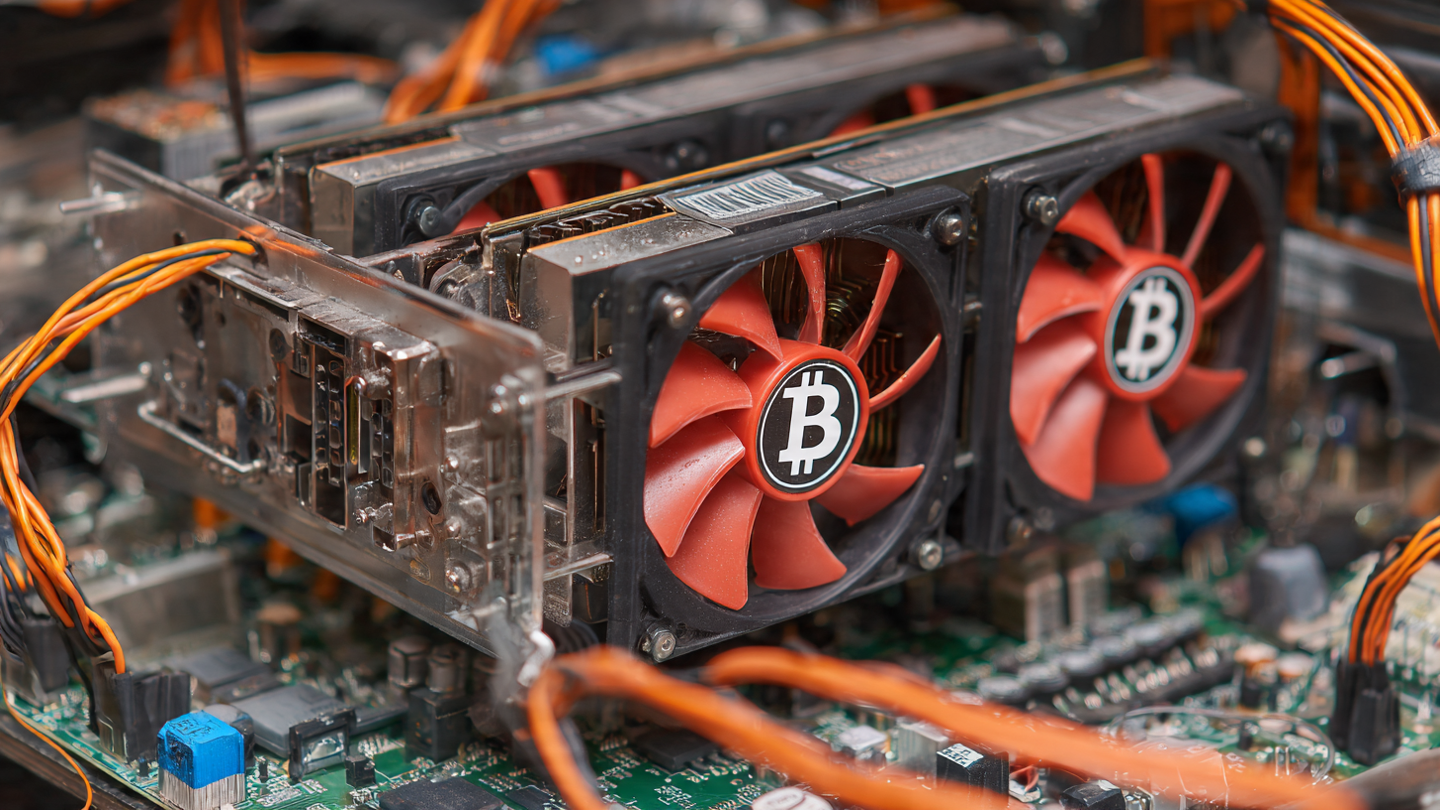
Are you searching for the best bitcoin mining hardware 2025 to maximize your cryptocurrency profits? With Bitcoin’s value continuing to fluctuate and mining difficulty reaching new heights, choosing the right mining equipment has never been more critical. Whether you’re a seasoned miner looking to upgrade your operation or a complete beginner ready to dive into the world of crypto mining, selecting efficient and profitable hardware can make the difference between success and failure.
The bitcoin mining landscape has evolved dramatically over the past few years. Gone are the days when you could mine Bitcoin using a standard computer or gaming GPU. Today’s mining environment demands specialized Application-Specific Integrated Circuit (ASIC) miners that deliver exceptional hash rates while managing energy consumption efficiently. With electricity costs eating into profits and mining difficulty continuing to rise, investing in the best bitcoin mining hardware 2025 has to offer is essential for maintaining profitability.
In this comprehensive guide, we’ll explore the top bitcoin mining machines available in 2025, compare their specifications, analyze profitability metrics, and help you make an informed decision that aligns with your budget and mining goals.
What Makes Bitcoin Mining Hardware “The Best” in 2025?
Before diving into specific models, it’s crucial to understand what factors separate exceptional mining hardware from mediocre options. The best bitcoin mining hardware 2025 must excel in several key areas:
Hash Rate Performance
Hash rate measures how many calculations your mining hardware can perform per second, typically measured in terahashes per second (TH/s). Higher hash rates increase your chances of solving blocks and earning Bitcoin rewards. Modern ASIC miners now deliver hash rates ranging from 90 TH/s to over 200 TH/s, with cutting-edge models pushing these boundaries even further.
Energy Efficiency
With electricity being one of the largest operational costs in bitcoin mining, energy efficiency directly impacts your bottom line. The best mining hardware balances raw power with intelligent energy consumption. Look for miners with low joules per terahash (J/TH) ratings—the lower this number, the more efficient your hardware operates.
Return on Investment (ROI)
ROI calculations consider the initial hardware cost, ongoing electricity expenses, current Bitcoin prices, and mining difficulty. The best bitcoin mining hardware 2025 should offer a reasonable payback period, typically between 12 to 24 months under favorable market conditions.
Build Quality and Reliability
Mining hardware runs continuously, 24/7, under demanding conditions. Durability and manufacturer reputation matter significantly. Established brands like Bitmain, MicroBT, and Canaan have proven track records for producing reliable equipment with decent warranty coverage.
Cooling Requirements
High-performance miners generate substantial heat. Effective cooling solutions are essential for maintaining optimal performance and extending hardware lifespan. Consider the noise levels and ventilation requirements when selecting your mining equipment.
Top 10 Best Bitcoin Mining Hardware 2025
Bitmain Antminer S21 XP Hyd
Specifications:
- Hash Rate: 473 TH/s
- Power Consumption: 5,676W
- Energy Efficiency: 12 J/TH
- Price Range: $8,500 – $10,000
The Antminer S21 XP Hyd represents Bitmain’s flagship hydro-cooled mining solution for 2025. This powerhouse delivers an impressive 473 TH/s while maintaining excellent energy efficiency through its innovative liquid cooling system. The hydro-cooling technology allows the miner to operate at lower temperatures, extending component lifespan and enabling stable operation even in warmer climates.
What sets this model apart is its remarkable efficiency rating of just 12 J/TH, making it one of the most power-efficient miners available. For large-scale mining operations with access to affordable electricity and proper cooling infrastructure, the S21 XP Hyd offers exceptional profitability potential.
Best For: Industrial mining operations, cold climate locations, large-scale mining farms
MicroBT Whatsminer M60S
Specifications:
- Hash Rate: 172 TH/s
- Power Consumption: 3,344W
- Energy Efficiency: 19.4 J/TH
- Price Range: $4,500 – $5,500
MicroBT’s Whatsminer M60S has earned its reputation as reliable workhorse hardware. Delivering 172 TH/s with solid energy efficiency, this miner strikes an excellent balance between performance and affordability. The M60S features improved chip architecture that enhances heat dissipation and reduces failure rates.
The unit’s moderate power consumption makes it suitable for miners with standard electrical infrastructure. Its competitive price point offers a more accessible entry into profitable mining compared to premium models, with ROI timelines that appeal to both home miners and medium-sized operations.
Best For: Home mining setups, medium-sized operations, miners seeking balanced performance
Bitmain Antminer S21
Specifications:
- Hash Rate: 200 TH/s
- Power Consumption: 3,500W
- Energy Efficiency: 17.5 J/TH
- Price Range: $5,200 – $6,800
The air-cooled variant of Bitmain’s S21 series delivers outstanding performance without requiring specialized cooling infrastructure. With 200 TH/s and respectable energy efficiency, this miner represents excellent value for operations that prefer traditional cooling methods.
The S21’s robust design incorporates lessons learned from previous generations, offering improved stability and easier maintenance. Its standard form factor makes it compatible with existing mining farm infrastructure, simplifying upgrades for established operations.
Best For: Expanding existing operations, air-cooled setups, cost-conscious miners
Canaan AvalonMiner 1566
Specifications:
- Hash Rate: 185 TH/s
- Power Consumption: 3,420W
- Energy Efficiency: 18.5 J/TH
- Price Range: $4,800 – $6,200
Canaan’s AvalonMiner 1566 brings competitive specifications to the market with a focus on reliability. This model features Canaan’s latest chip technology, delivering 185 TH/s while maintaining competitive power consumption figures.
The AvalonMiner series has built a reputation for consistent performance and lower failure rates. The 1566 model continues this tradition while pushing performance boundaries. Its competitive pricing makes it an attractive alternative to Bitmain and MicroBT offerings.
Best For: Diversifying hardware portfolios, miners seeking reliability, budget-conscious operations
Bitmain Antminer T21
Specifications:
- Hash Rate: 190 TH/s
- Power Consumption: 3,610W
- Energy Efficiency: 19 J/TH
- Price Range: $4,200 – $5,400
The Antminer T21 serves as Bitmain’s mid-tier offering, providing excellent performance at a more accessible price point than the flagship S21 series. With 190 TH/s, this miner delivers substantial hash power while keeping initial investment costs manageable.
This model works particularly well for miners expanding their operations incrementally. The T21’s specifications allow for profitable mining in regions with moderate electricity costs, making it a versatile choice for various operational scales.
Best For: Budget-conscious miners, incremental expansion, moderate electricity cost regions
MicroBT Whatsminer M56S
Specifications:
- Hash Rate: 212 TH/s
- Power Consumption: 5,550W
- Energy Efficiency: 26.2 J/TH
- Price Range: $6,500 – $8,000
The Whatsminer M56S targets miners prioritizing raw hash rate over energy efficiency. Delivering 212 TH/s, this powerhouse suits operations with access to extremely cheap electricity where energy costs matter less than maximizing Bitcoin accumulation.
While the energy efficiency rating sits higher than leading competitors, the M56S compensates with superior hash rate that can generate more Bitcoin in favorable market conditions. This miner excels in environments where electricity costs remain below $0.05 per kWh.
Best For: Cheap electricity regions, hash rate maximization, large-scale operations
Bitmain Antminer S19 XP Hyd
Specifications:
- Hash Rate: 255 TH/s
- Power Consumption: 5,346W
- Energy Efficiency: 20.8 J/TH
- Price Range: $6,200 – $7,800
Although released in late 2024, the S19 XP Hyd remains highly competitive in 2025. This hydro-cooled model delivers exceptional hash rates with efficient operation. The liquid cooling system enables stable performance under continuous operation while reducing noise levels significantly compared to air-cooled alternatives.
The S19 XP Hyd’s proven track record makes it a safe choice for miners concerned about reliability. Its slightly older technology comes with the benefit of established maintenance procedures and readily available replacement parts.
Best For: Noise-sensitive environments, proven reliability seekers, hydro-cooling infrastructure
Canaan Avalon Made A1466
Specifications:
- Hash Rate: 150 TH/s
- Power Consumption: 3,420W
- Energy Efficiency: 22.8 J/TH
- Price Range: $3,800 – $4,900
Canaan’s A1466 represents an entry-level option for miners starting their journey or testing mining profitability. While not leading in efficiency metrics, this model’s affordable price point lowers the barrier to entry significantly.
The A1466 works well for educational purposes, small-scale mining experiments, or as supplementary capacity for existing operations. Its straightforward setup process makes it accessible to beginners without extensive technical knowledge.
Best For: Beginners, small-scale miners, testing mining profitability
Bitmain Antminer S19 Pro
Specifications:
- Hash Rate: 110 TH/s
- Power Consumption: 3,250W
- Energy Efficiency: 29.5 J/TH
- Price Range: $2,500 – $3,500
The S19 Pro, while older technology, offers exceptional value in the used market. These units have proven their durability through years of continuous operation. For budget-conscious miners, purchasing refurbished S19 Pro units can provide a cost-effective entry into mining.
The extensive availability of S19 Pro units means competitive pricing and established support networks. Parts availability and technical documentation make maintenance straightforward, even for less experienced miners.
Best For: Budget mining, used equipment buyers, learning mining operations
MicroBT Whatsminer M50S
Specifications:
- Hash Rate: 126 TH/s
- Power Consumption: 3,306W
- Energy Efficiency: 26.2 J/TH
- Price Range: $3,200 – $4,200
The Whatsminer M50S provides solid performance at an attractive price point. This model suits miners operating in regions with moderate electricity costs who want reliable hardware without premium pricing.
MicroBT’s reputation for durability makes the M50S a dependable choice for long-term operations. Its specifications align well with smaller mining operations looking to maintain profitability without massive capital investment.
Best For: Small to medium operations, moderate budgets, reliable baseline performance
Bitcoin Mining Hardware Comparison: Making the Right Choice
Selecting the best bitcoin mining hardware 2025 requires careful consideration of multiple factors beyond raw specifications. Let’s break down the decision-making process:
Electricity Cost Considerations
Your local electricity rate fundamentally determines which mining hardware makes financial sense. If you’re paying more than $0.10 per kWh, prioritize the most energy-efficient models like the Antminer S21 XP Hyd or M60S. In regions with electricity costs below $0.06 per kWh, higher hash rate models with moderate efficiency become viable options.
Calculate your potential electricity costs using this formula: Daily Electricity Cost = (Power Consumption in kW × 24 hours × Electricity Rate)
Initial Investment vs. ROI Timeline
Higher-performing miners command premium prices, but they don’t always deliver the fastest ROI. Calculate your break-even point by dividing total investment (hardware + setup costs) by projected daily profits. Market volatility affects these calculations significantly, so build in conservative estimates.
Consider these scenarios:
- Premium Hardware: Higher upfront costs, faster mining, better efficiency, shorter ROI in stable markets
- Mid-Range Hardware: Balanced investment, moderate mining speed, acceptable efficiency, medium ROI timeline
- Budget Hardware: Lower entry cost, slower mining, higher electricity costs per Bitcoin, longer ROI period
Scalability Considerations
If you plan to expand your mining operation, consider hardware compatibility and infrastructure requirements. Mixing different manufacturers can complicate power distribution, cooling, and monitoring systems. Starting with scalable models allows for easier expansion as profitability permits.
Cooling and Noise Management
Home miners must consider noise levels and heat output. Hydro-cooled models operate significantly quieter than air-cooled alternatives but require specialized cooling infrastructure. If mining in residential areas, factor in soundproofing costs or consider hosting services that handle these operational aspects.
Setting Up Your Bitcoin Mining Hardware
Essential Infrastructure Requirements
Power Supply: Ensure your electrical system can handle your mining hardware’s demands. Most modern ASIC miners require 220-240V power supplies. Consult with licensed electricians to verify your wiring can safely accommodate the load.
Internet Connection: Bitcoin mining requires minimal bandwidth but demands stable connectivity. Interruptions can cause missed mining opportunities. A dedicated connection with backup options ensures continuous operation.
Cooling Solutions: Proper ventilation prevents overheating and extends hardware lifespan. Calculate cooling requirements based on your miner’s heat output (measured in BTUs). Industrial operations often implement specialized cooling systems including immersion cooling or dedicated HVAC units.
Monitoring Systems: Implement monitoring software to track hash rates, temperatures, and connectivity. Popular options include mining pool dashboards, dedicated monitoring applications, and custom solutions for larger operations.
Mining Pool Selection
Solo mining Bitcoin has become impractical for most miners due to extreme difficulty levels. Joining a mining pool combines your hash power with other miners, providing more consistent payouts. Consider these factors when selecting a pool:
- Fee Structure: Pool fees typically range from 0% to 3%
- Payout Methods: PPS (Pay Per Share), PPLNS (Pay Per Last N Shares), or other schemes
- Pool Size: Larger pools offer more consistent payouts but smaller rewards per block
- Geographical Location: Server proximity affects latency and potential earnings
- Reputation: Established pools provide reliability and transparency
Popular mining pools include Foundry USA, AntPool, F2Pool, and ViaBTC. Research current pool statistics before committing your hash power.
Software Configuration
Modern ASIC miners include firmware with web-based interfaces for configuration. Basic setup involves:
- Connecting your miner to your network
- Accessing the web interface through your browser
- Configuring mining pool details
- Setting up wallet addresses for payouts
- Optimizing performance settings
Advanced users can explore custom firmware options that unlock additional performance or efficiency gains. However, custom firmware may void warranties and requires technical expertise.
Profitability Analysis: Is Bitcoin Mining Worth It in 2025?
Current Market Conditions
Bitcoin mining profitability fluctuates with Bitcoin’s price, network difficulty, and operational costs. As of 2025, several factors influence profitability:
Bitcoin Halving Impact: The most recent Bitcoin halving occurred in April 2024, reducing block rewards from 6.25 BTC to 3.125 BTC. This reduction directly impacts mining revenue, making efficiency more critical than ever.
Network Difficulty: Bitcoin’s mining difficulty adjusts every 2,016 blocks (approximately two weeks) based on total network hash rate. Increased competition raises difficulty, reducing individual miner profitability. The best bitcoin mining hardware 2025 helps maintain profitability despite rising difficulty.
Energy Costs: Electricity expenses remain the largest operational cost. Miners in regions with renewable energy or extremely cheap power maintain significant advantages. Consider locations with electricity costs below $0.08 per kWh for optimal profitability.
Profitability Calculators
Use online profitability calculators to estimate potential earnings based on your specific hardware, electricity costs, and pool fees. Popular calculators include those offered by major mining pools and websites like WhatToMine and CryptoCompare.
Important Variables to Input:
- Hash rate (TH/s)
- Power consumption (Watts)
- Electricity cost ($/kWh)
- Pool fees (%)
- Hardware costs ($)
- Bitcoin price (update regularly)
- Network difficulty (adjust quarterly)
Remember that calculators provide estimates based on current conditions. Actual results vary with market fluctuations, hardware degradation, and unexpected downtime.
Alternative Revenue Streams
Savvy miners explore additional revenue opportunities:
Heat Repurposing: Some miners use waste heat for greenhouse warming, residential heating, or industrial processes, offsetting operational costs.
Hosting Services: If you have optimal infrastructure, hosting other miners’ hardware generates additional income while utilizing excess capacity.
Educational Content: Experienced miners monetize their knowledge through consulting, content creation, or training services.
Maintenance and Longevity Tips
Regular Maintenance Schedule
Proper maintenance extends hardware lifespan and maintains optimal performance:
Weekly Tasks:
- Check operating temperatures
- Verify hash rate performance
- Inspect for unusual noises
- Review monitoring system alerts
Monthly Tasks:
- Clean dust filters and fans
- Check for loose connections
- Review power consumption metrics
- Update firmware if recommended
Quarterly Tasks:
- Deep clean internal components
- Inspect thermal paste condition
- Test backup power systems
- Review profitability and adjust strategy
Common Issues and Solutions
Overheating: Indicates insufficient cooling, blocked airflow, or failing fans. Address immediately to prevent permanent damage. Solutions include improving ventilation, cleaning components, or upgrading cooling systems.
Hash Rate Drops: Can result from firmware issues, network connectivity problems, or hardware degradation. Troubleshoot by rebooting, checking pool connections, and verifying all components function properly.
Excessive Noise: Usually caused by fan bearing wear or unbalanced fans. Replace faulty fans promptly to prevent overheating cascades.
Power Supply Failures: Protect against power issues with surge protectors, voltage regulators, and UPS systems for critical components.
Warranty and Support
Reputable manufacturers offer warranties ranging from 180 days to 12 months. Understand your warranty terms, including:
- Coverage period and conditions
- Repair vs. replacement policies
- Shipping costs and responsibilities
- Technical support availability
Extended warranty options sometimes available for premium fees. For large operations, extended coverage can provide peace of mind and financial protection.
Where to Buy Bitcoin Mining Hardware
Authorized Distributors
Purchase from authorized distributors to ensure genuine products with valid warranties:
Bitmain Official: Direct purchases from Bitmain ensure authenticity and full warranty coverage. Expect longer shipping times from China-based facilities.
Regional Distributors: Authorized regional distributors offer faster delivery and local support. Verify distributor authorization through manufacturer websites.
Mining Equipment Retailers: Specialized retailers like Kaboomracks, Blockware Solutions, and Upstream Data aggregate multiple manufacturers, offering comparison shopping convenience.
Secondary Market Considerations
The used mining hardware market offers cost savings but carries additional risks:
Advantages:
- Significantly lower prices (30-50% off new)
- Immediate availability
- Opportunity to test equipment locally
Risks:
- No warranty coverage
- Unknown operating history
- Potential undisclosed damage
- Scam vulnerability
If purchasing used equipment, meet in person when possible, test units before purchase, and request maintenance records. Online marketplaces require extra caution—use escrow services and verify seller reputations.
Customs and Import Considerations
International purchases may incur customs duties, VAT, or import fees. Factor these costs into your budget. Some countries impose restrictions on mining equipment importation. Research local regulations before ordering.
Legal and Regulatory Considerations
Bitcoin Mining Regulations by Region
Bitcoin mining legality varies globally. Research your jurisdiction’s stance:
Fully Legal: United States, Canada, most European countries, Australia Restricted: China (banned), India (unclear regulations), Algeria (prohibited) Regulated: Kazakhstan (licensing required), Russia (regulatory framework developing)
Tax Implications
Bitcoin mining generates taxable events in most jurisdictions. Consult tax professionals familiar with cryptocurrency regulations. Common tax considerations include:
Mining Income: Mined Bitcoin typically counts as ordinary income at fair market value when received Equipment Depreciation: Mining hardware may qualify for business asset depreciation Electricity Expenses: Operational costs often deductible as business expenses Capital Gains: Bitcoin sales incur capital gains taxes based on holding period
Maintain detailed records of mining revenue, operational expenses, equipment purchases, and Bitcoin sales to simplify tax reporting.
Residential vs. Commercial Operations
Home-based mining may violate residential zoning ordinances or HOA regulations. Review local codes regarding:
- Noise ordinances
- Electrical consumption limits
- Home business restrictions
- Building code compliance
Commercial operations require appropriate zoning, business licenses, and compliance with commercial electrical codes. Consult with legal professionals when establishing commercial mining facilities.
Future Trends in Bitcoin Mining Hardware
Emerging Technologies
Immersion Cooling: Growing adoption of immersion cooling technology promises significant efficiency gains. Submerging hardware in dielectric fluids enables higher performance with superior cooling and reduced noise.
AI-Optimized Mining: Artificial intelligence integration optimizes mining operations through predictive maintenance, dynamic power management, and automated profitability optimization.
Renewable Integration: Increasing focus on sustainable mining drives renewable energy integration. Solar, wind, and hydroelectric mining operations reduce costs while addressing environmental concerns.
Next-Generation ASIC Development
Manufacturers continue pushing performance boundaries:
Smaller Process Nodes: Advancement toward 3nm chip manufacturing promises higher efficiency and performance density. Current generation miners primarily use 5nm technology.
Advanced Cooling Integration: Factory-integrated liquid cooling systems simplify deployment and improve efficiency for next-generation hardware.
Modular Designs: Emerging modular architectures enable component upgrades without complete hardware replacement, extending useful lifespan and reducing electronic waste.
Conclusion
Selecting the best bitcoin mining hardware 2025 requires balancing performance, efficiency, cost, and your specific circumstances. For miners with access to cheap electricity and substantial capital, the Bitmain Antminer S21 XP Hyd represents the pinnacle of mining technology, delivering unmatched hash rates with excellent efficiency. The MicroBT Whatsminer M60S offers exceptional value for miners seeking reliability and balanced performance at moderate price points.
Budget-conscious miners should consider the Bitmain Antminer T21 or explore carefully vetted used equipment to minimize initial investment while still achieving profitability. Remember that successful mining extends beyond hardware selection—optimal electricity rates, proper cooling infrastructure, reliable internet connectivity, and strategic pool selection all contribute to long-term success.
The bitcoin mining landscape continues evolving rapidly. Stay informed about network difficulty trends, Bitcoin price movements, emerging hardware technologies, and regulatory developments in your jurisdiction. Join mining communities, follow industry news, and regularly reassess your operation’s profitability.
See more : Best Bitcoin Mining Hardware 2025 Top ASIC Miners & Profitability Guide
