

The world of cryptocurrency mining has evolved dramatically, and choosing the right mining pool can make or break your profitability. Whether you’re a seasoned miner or just starting out, conducting a thorough bitcoin mining pool comparison is essential to maximize your returns. With dozens of pools competing for your hash rate, The differences in fees, payout structures, and reliability becomes crucial. This comprehensive guide will walk you through everything you need to know about selecting the perfect mining pool for your operation, helping you make an informed decision that aligns with your mining goals and hardware capabilities.
Bitcoin Mining Pools: The Foundation
Before diving into our detailed bitcoin mining pool comparison, it’s important to understand what mining pools are and why they matter. A mining pool is a collaborative group of cryptocurrency miners who combine their computational resources over a network to strengthen their probability of finding a block and receiving rewards.
Solo mining Bitcoin has become virtually impossible for individual miners due to the network’s massive difficulty level. The combined hash rate of the Bitcoin network now exceeds 600 exahashes per second, making it impractical for a single miner to compete. Mining pools solve this problem by allowing miners to contribute their hash power collectively, sharing rewards proportionally based on their contribution.
Why Mining Pools Are Essential Today
The Bitcoin network adjusts its mining difficulty approximately every two weeks to maintain a consistent 10-minute block time. As more miners join the network and technology advances, this difficulty continuously increases. For context, the probability of a single mining rig finding a block independently is astronomically low—comparable to winning a lottery.
Mining pools democratize the mining process by:
- Providing consistent, predictable income streams
- Reducing the variance in mining rewards
- Lowering the barrier to entry for new miners
- Offering technical support and infrastructure
- Enabling miners to earn regardless of their hash rate size
Key Factors in Bitcoin Mining Pool Comparison
When evaluating different mining pools, several critical factors determine which pool will be most profitable and reliable for your operation. These elements is fundamental to making an informed choice.

Pool Fees and Cost Structure
Mining pool fees typically range from 0% to 4% of your earnings. While a pool advertising zero fees might seem attractive, it’s essential to understand its revenue model. Some pools with zero fees may have hidden costs, delayed payouts, or require minimum withdrawal amounts that effectively reduce your earnings.
Most reputable pools charge between 1% and 2.5% in fees. This fee covers the pool’s operational costs, including server maintenance, customer support, and development of mining software. When conducting your bitcoin mining pool comparison, calculate your potential earnings after fees rather than focusing solely on the percentage.
Payout Methods and Structures
Different pools use various payout methods, each with its own advantages and considerations:
Pay-Per-Share (PPS): This method pays miners a fixed amount for each share submitted, regardless of whether the pool finds a block. PPS provides the most stable and predictable income but typically comes with higher fees (2-4%) because the pool assumes all the risk.
Full Pay-Per-Share (FPPS): Similar to PPS but includes transaction fees from blocks in the payout calculation, offering slightly higher rewards.
Pay-Per-Last-N-Shares (PPLNS): This method distributes rewards based on the number of shares you contributed during the last N shares before a block was found. PPLNS typically has lower fees (1-2%) but more variable income.
Pay-Per-Share Plus (PPS+): A hybrid approach combining PPS for block rewards and PPLNS for transaction fees, balancing stability with higher potential earnings.
Pool Hash Rate and Size
The pool’s total hash rate significantly impacts your mining experience. Larger pools with higher hash rates find blocks more frequently, resulting in more consistent payouts. However, these frequent payouts are smaller since rewards are distributed among more miners.
Smaller pools find blocks less frequently but offer larger individual payouts when they do. They also contribute to network decentralization, which is important for Bitcoin’s security and censorship resistance.
Top Bitcoin Mining Pools: Detailed Comparison
Let’s examine the leading mining pools in today’s market, comparing their features, fees, and benefits.
Foundry USA Pool
Foundry USA has emerged as one of the dominant players in Bitcoin mining, particularly popular among North American miners. The pool consistently controls approximately 25-30% of Bitcoin’s total network hash rate.
Key Features:
- Fee structure: 0% for certain contracts, up to 2% standard
- Payout method: FPPS
- Minimum payout: Customizable based on contract
- Geographic focus: Strong North American presence
- Additional services: Comprehensive mining equipment financing and hosting
Foundry USA excels in providing institutional-grade services, making it ideal for large-scale mining operations. Their zero-fee options for certain customers make them highly competitive, though these typically require contractual commitments.
Antpool
Operated by Bitmain, Antpool is one of the oldest and most established mining pools in the industry. With roughly 15-20% of the network hash rate, Antpool offers a proven track record and reliable infrastructure.
Key Features:
- Fee structure: 2-4% depending on payout method
- Payout methods: PPS+, PPLNS, SOLO
- Minimum payout: 0.001 BTC
- Multi-currency support: Mines Bitcoin, Bitcoin Cash, Litecoin, and others
- Smart Pool feature: Automatically switches to mine the most profitable cryptocurrency
Antpool’s flexibility in payout methods allows miners to choose based on their risk tolerance and income preferences. The platform’s user-friendly interface makes it accessible for beginners while offering advanced features for experienced miners.
F2Pool
F2Pool, also known as “Discus Fish,” is one of the world’s oldest mining pools, operating since 2013. The pool typically maintains 10-15% of Bitcoin’s hash rate and supports over 40 different cryptocurrencies.
Key Features:
- Fee structure: 2.5% standard
- Payout method: PPS+
- Minimum payout: 0.001 BTC
- Daily automatic payouts
- Comprehensive mining dashboard with real-time statistics
F2Pool’s longevity in the industry demonstrates its reliability and trustworthiness. The pool offers excellent monitoring tools and mobile apps, making it easy to track your mining performance on the go.
ViaBTC
ViaBTC has built a strong reputation since its launch in 2016, currently controlling approximately 8-12% of Bitcoin’s network hash rate. The pool is known for its transparent operations and miner-friendly policies.
Key Features:
- Fee structure: 2-4% depending on method
- Payout methods: PPS+, PPLNS, SOLO
- Minimum payout: 0.001 BTC
- Merged mining: Simultaneously mine Bitcoin and other SHA-256 coins
- Smart mining: Auto-switch between BTC and BCH
ViaBTC offers exceptional flexibility with multiple payout options and the unique ability to merge mine multiple cryptocurrencies simultaneously, potentially increasing overall profitability.
Binance Pool
Backed by the world’s largest cryptocurrency exchange, Binance Pool launched in 2020 and quickly gained market share. The pool typically maintains 8-10% of Bitcoin’s network hash rate.
Key Features:
- Fee structure: 2.5% standard, 4% PPS+
- Payout methods: FPPS, PPS+
- Minimum payout: 0.001 BTC
- Integration with Binance exchange
- Lowest fees for high-volume miners
Binance Pool’s integration with the Binance ecosystem provides unique advantages, including easy conversion to other cryptocurrencies and potential fee discounts for Binance Coin (BNB) holders.
Bitcoin Mining Pool Comparison: Performance Metrics
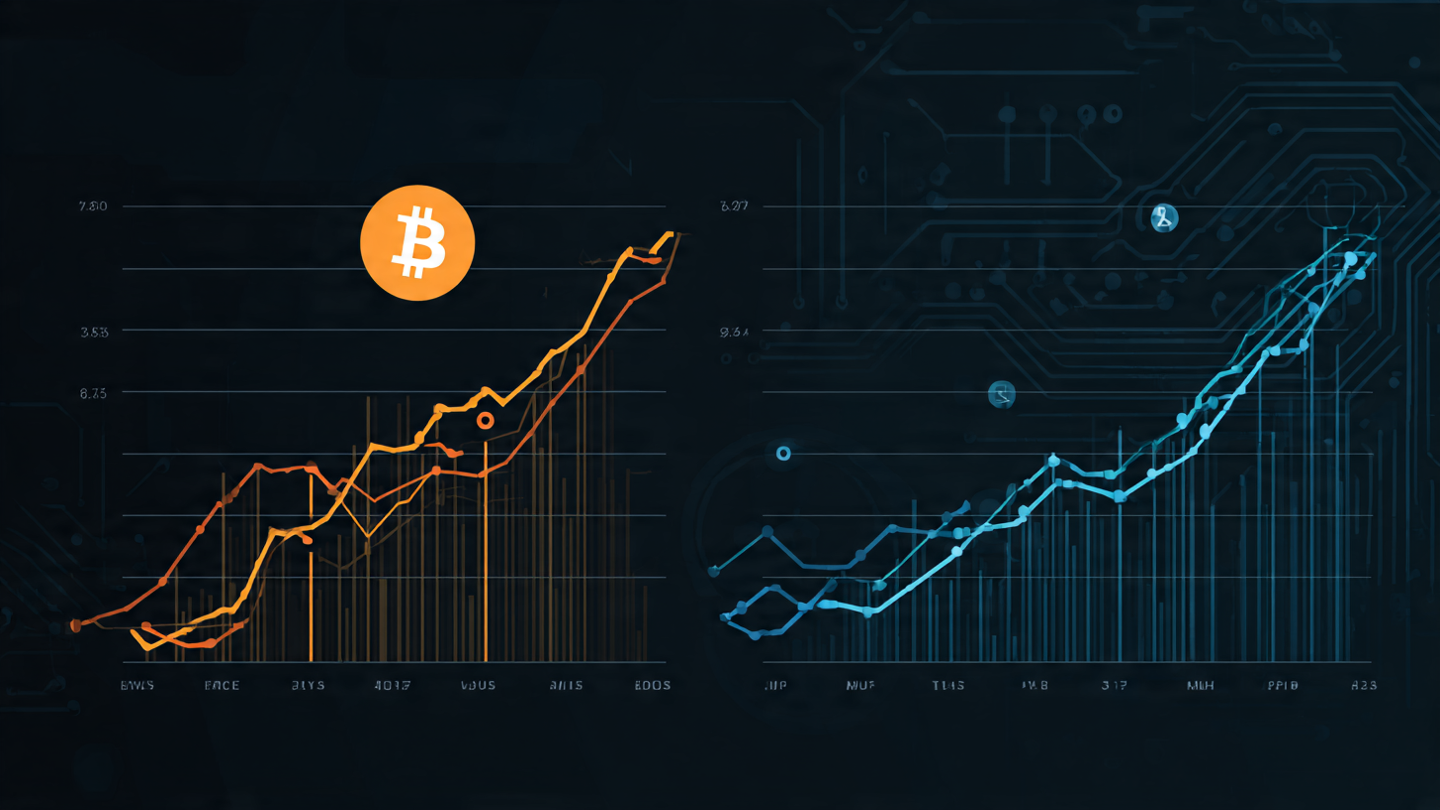
To make an informed decision, let’s compare these pools across essential performance indicators that directly impact your profitability.
Profitability Analysis
When calculating potential profits, consider these factors:
Effective Fee Rate: Don’t just look at the advertised fee. Calculate the total cost including withdrawal fees, minimum payout thresholds, and any hidden charges. For example, a pool with a 1.5% fee but daily automatic payouts might be more profitable than a 1% fee pool requiring 0.01 BTC minimum withdrawal.
Block Finding Efficiency: Some pools find blocks more efficiently than their hash rate would suggest due to superior infrastructure and lower orphaned block rates. This “luck” factor can significantly impact long-term profitability.
Transaction Fee Distribution: Pools that include transaction fees in miner payouts (FPPS, PPS+) can increase earnings by 5-15% compared to basic PPS systems, especially during periods of high network congestion.
Reliability and Uptime
Server reliability directly affects your earnings. Even a 1% downtime translates to approximately 3.6 days of lost mining per year. When conducting your bitcoin mining pool comparison, research each pool’s historical uptime percentage.
Top-tier pools maintain 99.9%+ uptime through:
- Redundant server infrastructure across multiple data centers
- DDoS protection systems
- Automatic failover mechanisms
- Regular maintenance during low-traffic periods
Geographic Considerations and Latency
Network latency between your mining hardware and the pool’s servers affects your share submission efficiency. Higher latency increases the likelihood of stale shares—shares submitted after a block has already been found, which don’t earn rewards.
Optimal latency should be under 100 milliseconds. Consider choosing a pool with servers geographically close to your mining operation. Many large pools operate servers in multiple regions, allowing you to connect to the nearest one.
Advanced Considerations for Pool Selection
Beyond basic features and fees, several advanced factors can influence your mining pool choice.
Security and Transparency
Security breaches can result in lost earnings or stolen cryptocurrencies. Evaluate pools based on:
Two-Factor Authentication (2FA): Essential for protecting your account from unauthorized access.
Wallet Security: Reputable pools store most funds in cold wallets, keeping only operational amounts in hot wallets.
Transparency Reports: Some pools publish regular reports showing hash rate distribution, block findings, and payout accuracy.
Open Communication: Active presence on social media and community forums, with responsive customer support.
Network Decentralization Impact
While profitability is important, consider the broader impact of your pool choice on Bitcoin’s network health. When a single pool controls more than 51% of the network hash rate, it theoretically could execute a 51% attack, though economic disincentives make this unlikely.
Supporting smaller pools helps maintain network decentralization and security. Some miners intentionally choose pools with 5-10% market share to balance profitability with network health concerns.
Additional Services and Features
Modern mining pools often offer value-added services:
Mining OS Support: Compatibility with popular mining operating systems like HiveOS, Awesome Miner, or proprietary firmware.
Hardware Monitoring: Real-time alerts for hashrate drops, temperature issues, or offline rigs.
Profitability Calculators: Built-in tools to estimate earnings based on your hardware and electricity costs.
Educational Resources: Tutorials, guides, and community forums for troubleshooting and optimization.
Optimizing Your Mining Pool Strategy
After completing your bitcoin mining pool comparison and selecting a pool, implement these optimization strategies to maximize profitability.
Multiple Pool Configuration
Many miners configure their mining software with multiple pools:
Primary Pool: Your main choice based on profitability and features.
Secondary Pool: A backup that activates if the primary pool experiences downtime.
Tertiary Pool: An additional failover option for maximum reliability.
This configuration ensures continuous mining even during pool maintenance or technical issues.
Regular Performance Monitoring
Track these metrics weekly:
- Average hash rate delivered to the pool
- Number of shares submitted vs. accepted
- Stale share percentage (should be under 1%)
- Daily earnings compared to theoretical calculations
- Pool’s overall luck factor
If any metric significantly deviates from expected values, investigate potential issues with your connection, hardware, or pool performance.
Strategic Pool Switching
Some advanced miners periodically reevaluate their pool choice based on:
- Changes in fee structures
- Pool luck trends over 30-90 day periods
- New features or services offered
- Network hash rate distribution shifts
However, avoid switching too frequently, as many pools have earnings ramp-up periods where you receive full rewards only after contributing for several hours or days.
Common Mistakes in Mining Pool Selection
Avoid these frequent errors when conducting your bitcoin mining pool comparison:
Focusing Only on Fees
The lowest-fee pool isn’t always the most profitable. A pool with slightly higher fees but better infrastructure, lower latency, and higher uptime often yields better returns.
Ignoring Minimum Payout Thresholds
High minimum withdrawal amounts can lock up your earnings for weeks or months, especially for smaller miners. Calculate how long it will take to reach the minimum payout based on your hash rate.
Neglecting Pool Reputation
New pools offering attractive terms might lack the infrastructure or financial stability to sustain operations. Research pool history, read community feedback, and start with small test periods before committing significant hash rate.
Overlooking Payment Timing
Some pools pay daily, others weekly, and some only when you reach minimum thresholds. Consistent daily payouts provide better cash flow for covering electricity costs and operational expenses.
Future Trends in Bitcoin Mining Pools
The mining pool landscape continues evolving with several emerging trends:
Stratum V2 Protocol Adoption
The next-generation Stratum V2 mining protocol offers improved efficiency, enhanced security, and job negotiation features that allow miners more control over transaction selection. Pools adopting this protocol early may gain competitive advantages.
Lightning Network Integration
Some pools are exploring Lightning Network integration for instant, low-fee payouts, particularly benefiting small miners who would otherwise wait days or weeks to reach minimum payout thresholds.
Environmental and ESG Considerations
Increasingly, miners consider pools that prioritize renewable energy and publish environmental impact reports, particularly as regulatory scrutiny of cryptocurrency mining intensifies.
Conclusion
Conducting a thorough bitcoin mining pool comparison is essential for maximizing your mining profitability and ensuring long-term success in cryptocurrency mining. The right pool balances competitive fees, reliable infrastructure, suitable payout methods, and strong security measures while aligning with your specific mining operation size and goals.
For large-scale operations, Foundry USA and Binance Pool offer institutional-grade services and competitive fee structures. Medium-sized miners often find excellent value with Antpool or F2Pool, which provide proven reliability and comprehensive features. Smaller miners might prefer ViaBTC’s merged mining capabilities or pools with lower minimum payouts.
See More : Best Bitcoin Mining Hardware 2025 Top 10 ASIC Miners Reviewed
