

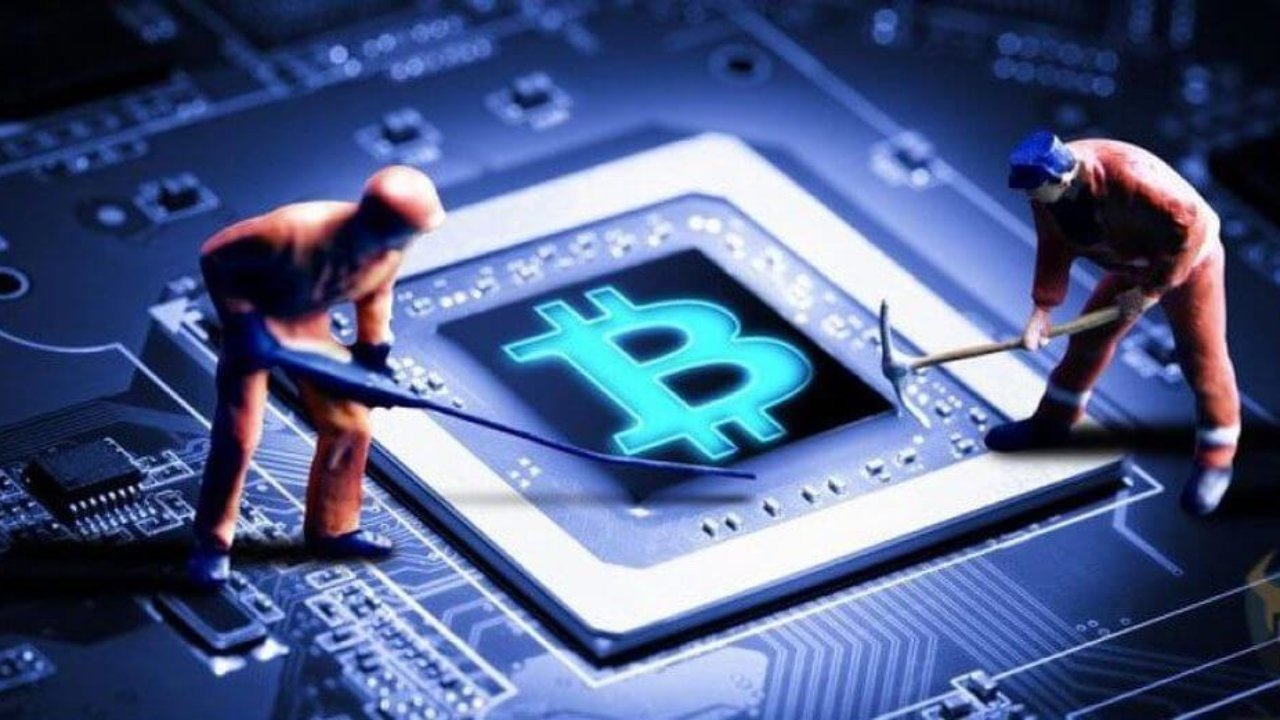
The cryptocurrency market continues to evolve, and finding the right bitcoin mining rig for sale has become more critical than ever for both beginners and experienced miners. Whether you’re looking to start your first mining operation or scale an existing farm, understanding what makes a quality mining rig is essential for profitability. In this comprehensive guide, we’ll explore everything you need to know about purchasing a bitcoin mining rig, from hardware specifications to profitability calculations. The demand for efficient mining equipment has skyrocketed, making it crucial to understand the market before making a significant investment. With electricity costs rising and mining difficulty increasing, choosing the right rig can mean the difference between profit and loss in your mining venture.
Bitcoin Mining Rigs in 2025
Bitcoin mining has transformed from a hobbyist activity into a sophisticated industrial operation. A mining rig is essentially a specialized computer system designed specifically to solve complex mathematical problems that verify Bitcoin transactions on the blockchain. Modern mining operations require dedicated hardware that can compete in an increasingly competitive environment.
What Is a Bitcoin Mining Rig?
A bitcoin mining rig is a specialized computing system equipped with powerful processors designed to mine cryptocurrency efficiently. Unlike regular computers that use CPUs or GPUs, most profitable mining operations now rely on ASIC (Application-Specific Integrated Circuit) miners. These devices are built specifically for mining Bitcoin and offer significantly higher hash rates compared to traditional computing equipment.
The evolution of mining technology has been remarkable. Early Bitcoin miners could use standard desktop computers, but as the network grew and mining difficulty increased, specialized equipment became necessary. Today’s ASIC miners represent the pinnacle of mining technology, offering hash rates measured in terahashes per second (TH/s).
Types of Mining Rigs Available
When searching for a bitcoin mining rig for sale, you’ll encounter several categories:
ASIC Miners: These are the gold standard for Bitcoin mining. Popular models include the Antminer S19 series, Whatsminer M30S++, and AvalonMiner series. ASIC miners are purpose-built for mining specific cryptocurrencies and cannot be reprogrammed for other tasks.
GPU Mining Rigs: While less common for Bitcoin specifically, GPU rigs use multiple graphics cards and are more versatile, allowing miners to switch between different cryptocurrencies. However, they’re generally less efficient for Bitcoin mining compared to ASICs.
FPGA Miners: Field-Programmable Gate Arrays offer a middle ground between GPUs and ASICs, providing programmability with better efficiency than GPUs, though they’re less common in the current market.
Cloud Mining Contracts: While not physical rigs, cloud mining allows you to rent hashing power from remote data centers, eliminating the need to purchase and maintain hardware.
How to Choose the Best Bitcoin Mining Rig for Sale
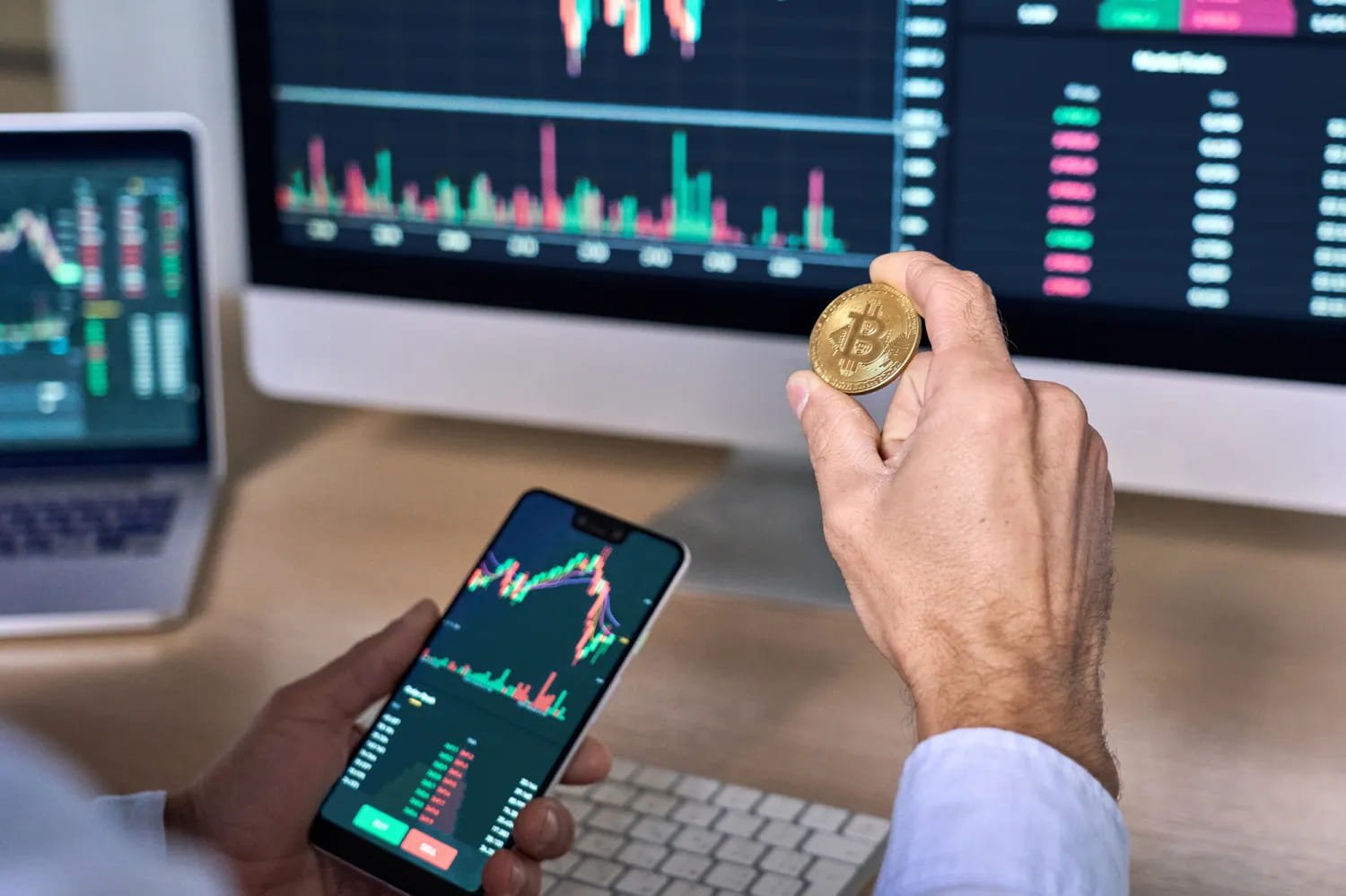
Selecting the right mining equipment requires careful consideration of multiple factors that will impact your profitability and return on investment.
Hash Rate and Performance Metrics
The hash rate measures how many calculations a mining rig can perform per second. Higher hash rates increase your chances of successfully mining a block and earning rewards. Current top-tier ASIC miners offer hash rates ranging from 90 TH/s to over 140 TH/s.
When evaluating a bitcoin mining rig for sale, compare the hash rate to the price. A higher hash rate doesn’t always mean better value if the initial investment is disproportionately high. Calculate the cost per terahash to determine which rig offers the best value.
Energy Efficiency and Power Consumption
Energy costs represent the largest ongoing expense in mining operations. Modern miners measure efficiency in joules per terahash (J/TH). The lower this number, the more efficient the miner. Top-tier miners in 2025 achieve efficiency ratings between 20-30 J/TH.
Before purchasing, calculate your electricity costs. Multiply the miner’s power consumption (measured in watts) by your local electricity rate per kilowatt-hour, then by 24 hours and 30 days to estimate monthly power costs. This calculation is crucial for determining profitability.
Initial Investment and ROI Calculations
Mining rig prices vary significantly based on model, condition, and market demand. New ASIC miners typically range from $2,000 to $12,000, while used equipment can be found at 40-60% of retail price. However, used equipment comes with risks including reduced warranty coverage and potentially shorter lifespan.
Calculate your expected return on investment by considering:
- Initial hardware cost
- Monthly electricity expenses
- Current Bitcoin price and mining difficulty
- Pool fees (typically 1-3%)
- Expected hardware lifespan (usually 2-3 years for ASICs)
Most mining operations aim for an ROI period of 12-18 months under current market conditions.
Cooling and Ventilation Requirements
Mining rigs generate substantial heat and noise. A single ASIC miner can produce 70-95 decibels of noise—comparable to a vacuum cleaner or lawn mower running continuously. Proper ventilation is essential to prevent overheating and maintain optimal performance.
Plan your mining space accordingly. Residential miners often set up operations in basements, garages, or dedicated outbuildings. Commercial operations require industrial-grade cooling systems with proper air circulation. Budget for additional fans, ventilation equipment, and potentially air conditioning depending on your climate.
Where to Buy Bitcoin Mining Rig for Sale
Finding reliable sources for mining equipment is crucial to avoid scams and ensure you receive quality hardware with proper warranty support.
Authorized Manufacturers and Distributors
Bitmain: The industry leader manufacturing the popular Antminer series. Purchase directly from their website or authorized distributors to ensure authenticity and warranty coverage.
MicroBT: Produces the Whatsminer series, known for reliability and competitive hash rates. They offer direct sales and work with authorized resellers globally.
Canaan Creative: Manufacturers of the AvalonMiner series, offering various models suitable for different budgets and efficiency requirements.
Buying directly from manufacturers or authorized distributors ensures:
- Genuine products with proper warranties
- Access to customer support
- Latest firmware updates
- Quality assurance and testing
Secondary Markets and Used Equipment
The used mining equipment market offers opportunities to enter mining at lower initial costs. Popular platforms include:
eBay and Amazon Marketplaces: Offer buyer protection but require careful vetting of sellers. Check seller ratings, return policies, and product descriptions thoroughly.
Specialized Mining Equipment Marketplaces: Websites like Zeusbtc, Crypto Mining Tools, and Mining Store focus specifically on cryptocurrency mining hardware, offering both new and refurbished equipment.
Local Cryptocurrency Forums: Bitcoin Talk, Reddit’s r/BitcoinMining, and regional cryptocurrency groups often have members selling used equipment locally, allowing you to inspect hardware before purchase.
When buying used equipment, request:
- Proof of purchase and warranty status
- Performance test results
- Photos showing physical condition
- Hash board health reports
- Reason for selling
Red Flags and Scam Prevention
The cryptocurrency space attracts scammers. Protect yourself by watching for these warning signs:
- Prices significantly below market value (if it seems too good to be true, it probably is)
- Sellers demanding cryptocurrency payments only with no buyer protection
- Refusal to provide detailed specifications or photos
- No verifiable business address or contact information
- Pressure tactics urging immediate purchase
- Sellers with no transaction history or negative reviews
Always use secure payment methods with buyer protection. For large purchases, consider escrow services that hold payment until you verify the equipment’s condition and functionality.
Setting Up Your Bitcoin Mining Rig
Once you’ve found the perfect bitcoin mining rig for sale and made your purchase, proper setup is essential for optimal performance and longevity.
Essential Components and Accessories
Beyond the mining rig itself, you’ll need:
Power Supply Unit (PSU): Many ASIC miners require dedicated high-wattage PSUs. Ensure your PSU matches the miner’s voltage requirements (typically 220V for maximum efficiency).
Network Connection: Reliable internet is crucial. While mining doesn’t require high bandwidth, connection stability is essential. Ethernet connections are preferred over Wi-Fi for reliability.
Mining Pool Account: Solo mining Bitcoin is impractical for most miners. Join a reputable mining pool like F2Pool, Antpool, or Slush Pool to receive consistent payouts.
Bitcoin Wallet: Set up a secure wallet to receive mining rewards. Hardware wallets offer the best security for long-term storage.
Monitoring Software: Track your miner’s performance, temperature, and uptime using tools like Awesome Miner, Hive OS, or the manufacturer’s proprietary software.
Installation and Configuration Steps
Step 1: Choose Your Location Select a space with adequate ventilation, stable temperature, and access to appropriate electrical infrastructure. Ensure the location can handle the noise level.
Step 2: Electrical Setup Most ASIC miners require 220V circuits for optimal efficiency. Hire a licensed electrician to install proper circuits if needed. Never overload standard household circuits.
Step 3: Connect Hardware Attach the PSU to your mining rig following manufacturer instructions. Connect the Ethernet cable for network access. Double-check all connections before powering on.
Step 4: Configure Mining Software Access the miner’s interface through your web browser using its IP address. Configure your mining pool details including:
- Pool URL
- Worker name
- Password
- Bitcoin wallet address
Step 5: Optimize Settings Adjust power modes and frequency settings based on your electricity costs and cooling capacity. Many miners offer multiple operating modes balancing performance and efficiency.
Step 6: Monitor and Maintain Regularly check temperature sensors, hash rate stability, and pool statistics. Clean dust filters monthly and inspect hardware quarterly for any signs of wear.
Troubleshooting Common Issues
Low Hash Rate: Check network connectivity, verify pool configuration, and ensure adequate cooling. Overheating often causes performance throttling.
High Error Rates: This may indicate network issues, pool connectivity problems, or failing hash boards. Check all connections and consider firmware updates.
Frequent Disconnections: Verify network stability, check Ethernet cable quality, and ensure your router can handle continuous connections.
Overheating: Improve ventilation, clean dust accumulation, reduce ambient temperature, or lower operating frequency to reduce heat generation.
Bitcoin Mining Rig Profitability Calculator
Understanding profitability is crucial before investing in a bitcoin mining rig for sale. Multiple factors influence mining returns.
Calculating Mining Profitability
Use online mining calculators like WhatToMine, NiceHash Calculator, or CryptoCompare to estimate earnings. Input these variables:
Hash Rate: Your miner’s performance in TH/s
Power Consumption: Total watts consumed
Electricity Cost: Your rate per kWh
Pool Fee: Typically 1-3%
Bitcoin Price: Current market value
Mining Difficulty: Network-wide competition level
Example calculation for an Antminer S19 Pro (110 TH/s, 3250W):
- Daily Bitcoin mined: ~0.00015 BTC (varies with difficulty)
- Daily electricity cost (at $0.10/kWh): $7.80
- Daily revenue (at $45,000/BTC): $6.75
- Daily profit: -$1.05
This example illustrates why electricity rates and Bitcoin price are critical. The same rig would be profitable at $0.06/kWh electricity cost.
Factors Affecting Mining Returns
Bitcoin Price Volatility: Mining profitability directly correlates with Bitcoin’s market value. Price increases improve profitability dramatically, while drops can make operations unprofitable.
Network Difficulty: As more miners join the network, difficulty increases, reducing individual miner rewards. Difficulty adjusts approximately every two weeks.
Halving Events: Bitcoin undergoes halving approximately every four years, reducing block rewards by 50%. The next halving is expected in 2028, which will impact mining economics.
Electricity Rates: This represents your largest variable cost. Miners in regions with cheap electricity (under $0.05/kWh) maintain profitability during market downturns.
Hardware Degradation: Mining equipment loses efficiency over time. Factor in a 10-20% performance decline annually when calculating long-term profitability.
Break-Even Analysis
Determine how long it takes to recover your initial investment:
Break-even time = (Hardware cost + Setup costs) / (Monthly profit after electricity)
For a $6,000 mining rig generating $200 monthly profit after electricity: Break-even = $6,000 / $200 = 30 months
This calculation assumes stable Bitcoin prices and mining difficulty, which rarely occurs. Many miners use a 1.5x multiplier to account for market volatility, suggesting a realistic break-even period of 45 months in this example.
Best Bitcoin Mining Rigs for Sale in 2025
The market offers various options catering to different budgets and goals.
Top-Tier ASIC Miners
Antminer S19 XP Hyd (255 TH/s)
- Hash Rate: 255 TH/s
- Power Consumption: 5304W
- Efficiency: 20.8 J/TH
- Price Range: $8,000-$12,000
- Best For: Large-scale operations with hydro-cooling infrastructure
Whatsminer M50S++ (146 TH/s)
- Hash Rate: 146 TH/s
- Power Consumption: 3276W
- Efficiency: 22.4 J/TH
- Price Range: $5,500-$7,500
- Best For: Balance of performance and price
Antminer S19j Pro+ (120 TH/s)
- Hash Rate: 120 TH/s
- Power Consumption: 3355W
- Efficiency: 27.5 J/TH
- Price Range: $3,500-$5,000
- Best For: Mid-size operations seeking proven reliability
Budget-Friendly Options
Antminer S19 (95 TH/s)
- Hash Rate: 95 TH/s
- Power Consumption: 3250W
- Efficiency: 34.2 J/TH
- Price Range: $2,000-$3,000
- Best For: Entry-level miners with moderate electricity costs
Whatsminer M30S++ (112 TH/s)
- Hash Rate: 112 TH/s
- Power Consumption: 3472W
- Efficiency: 31 J/TH
- Price Range: $2,500-$3,500
- Best For: Used market value, reliable workhorse
AvalonMiner 1246 (90 TH/s)
- Hash Rate: 90 TH/s
- Power Consumption: 3420W
- Efficiency: 38 J/TH
- Price Range: $2,000-$2,800
- Best For: Miners prioritizing lower initial costs
Enterprise-Level Solutions
Large-scale mining operations require different considerations:
Container-Based Mining Solutions: Pre-configured shipping containers with multiple miners, cooling systems, and power distribution. Prices range from $250,000 to over $1 million.
Immersion Cooling Systems: Submerge miners in dielectric fluid for superior cooling, allowing higher performance and extended hardware lifespan.
Colocation Services: Rent space in professional mining facilities with optimized power rates, cooling, and maintenance services. Monthly costs typically range from $50-$120 per miner.
Legal and Regulatory Considerations
Before purchasing a bitcoin mining rig for sale, understand the legal landscape in your jurisdiction.
Mining Regulations by Region
United States: Bitcoin mining is legal in all states, but some localities have restrictions. New York has implemented moratoriums on new mining operations using fossil fuels. Texas offers favorable conditions with cheap electricity and supportive regulations.
Canada: Mining is legal and popular in provinces like Quebec and Alberta with abundant hydroelectric power.
European Union: Most member states allow mining, but some countries like Sweden have called for bans due to environmental concerns. Electricity costs vary significantly by country.
China: Previously the world’s mining capital, China banned cryptocurrency mining in 2021, forcing a massive industry migration.
El Salvador and Paraguay: Offer some of the world’s friendliest mining regulations with cheap electricity and government support.
Research your local regulations regarding:
- Zoning restrictions for commercial mining
- Noise ordinances
- Electrical capacity requirements
- Business licensing requirements
- Tax implications
Tax Implications of Mining Income
Mining rewards are generally considered taxable income in most jurisdictions. Key tax considerations include:
Income Tax: The fair market value of Bitcoin received as mining rewards constitutes taxable income when received.
Capital Gains Tax: When you sell mined Bitcoin, any appreciation from the value at receipt to sale value is subject to capital gains tax.
Business Deductions: Mining operations can typically deduct:
- Equipment depreciation
- Electricity costs
- Internet service
- Maintenance and repairs
- Mining pool fees
- Home office expenses (if applicable)
Consult with a tax professional familiar with cryptocurrency to ensure compliance and optimize your tax position. Many countries require detailed record-keeping of all mining activities.
Maintenance and Longevity Tips
Proper maintenance extends your mining rig’s lifespan and maintains profitability.
Regular Maintenance Schedule
Daily Tasks:
- Monitor hash rate and temperature through mining software
- Check for error messages or connectivity issues
- Verify pool connection stability
Weekly Tasks:
- Clean external dust filters
- Check physical connections for looseness
- Review earnings and compare to projections
Monthly Tasks:
- Deep clean fans and heat sinks with compressed air
- Inspect power cables for wear or heat damage
- Update firmware if new versions are available
- Review and optimize power settings
Quarterly Tasks:
- Thermal paste reapplication (if temperatures are rising)
- Comprehensive hardware inspection
- Professional cleaning of internal components
- Performance benchmarking
Maximizing Hardware Lifespan
Temperature Management: Keep operating temperatures below manufacturer recommendations. Most ASIC miners operate optimally between 40-70°C. Sustained operation above 80°C significantly reduces lifespan.
Clean Environment: Dust accumulation is the primary enemy of mining hardware. Operating in dusty environments requires more frequent cleaning. Consider air filtration systems for professional operations.
Stable Power Supply: Use high-quality PSUs with surge protection. Power fluctuations can damage sensitive components. Consider UPS (Uninterruptible Power Supply) units for critical operations.
Optimal Settings: Running miners at maximum power continuously reduces lifespan. Many miners operate longer at 90-95% capacity with minimal hash rate loss.
Professional Repairs: When issues arise, consider professional repair services specializing in mining equipment rather than attempting complex repairs yourself.
Alternative Mining Options
While purchasing a bitcoin mining rig for sale is the traditional approach, alternatives exist for different situations.
Cloud Mining Services
Cloud mining allows you to rent hash power without owning physical equipment. Benefits include:
- No hardware maintenance
- No electricity costs
- No space requirements
- Immediate start to mining
However, cloud mining has significant drawbacks:
- Higher long-term costs compared to owned hardware
- Scam prevalence in the industry
- Contract terms that may become unprofitable if Bitcoin prices drop
- No physical asset ownership
Reputable cloud mining providers include Genesis Mining, Hashflare, and NiceHash. Always research thoroughly and read contracts carefully before investing.
Mining Pool Participation
While not an alternative to owning hardware, mining pools are essential for profitability. Pools combine hash power from multiple miners, providing more consistent payouts.
Popular pools include:
- F2Pool: One of the largest, offering multilingual support
- Antpool: Operated by Bitmain, optimized for Antminer hardware
- Slush Pool: Bitcoin’s oldest pool, known for transparency
- ViaBTC: Offers multiple payout methods
Pool selection criteria:
- Fee structure (typically 1-3%)
- Payout method (PPLNS, PPS, FPPS)
- Minimum payout threshold
- Server locations
- Reputation and uptime
Hosted Mining Solutions
Mining hosting services operate your hardware in professional facilities. Benefits include:
- Professional-grade electricity rates ($0.03-$0.08/kWh)
- Optimal cooling and ventilation
- Technical support and maintenance
- Reduced noise concerns for residential miners
Hosting costs typically range from $50-$120 per ASIC miner monthly, depending on power consumption and service level. This option works well for miners without suitable home facilities or access to cheap electricity.
Environmental Considerations
Bitcoin mining’s environmental impact has become increasingly important to both miners and regulators.
Energy Consumption Reality
Bitcoin mining consumes significant electricity, with estimates suggesting the network uses 120-150 TWh annually—comparable to entire countries. However, context matters:
Renewable Energy Adoption: Many mining operations prioritize renewable energy. Studies suggest 50-60% of Bitcoin mining now uses renewable sources, particularly hydroelectric power.
Grid Stabilization: Mining operations can provide grid services, consuming excess power during low-demand periods and reducing waste from overproduction.
Efficiency Improvements: Modern ASIC miners are dramatically more efficient than earlier generations, achieving more hash power per watt.
Sustainable Mining Practices
Renewable Energy Sources:
- Hydroelectric: Abundant in regions like Quebec, Iceland, and Norway
- Solar Power: Increasingly viable in sunny regions with battery storage
- Wind Power: Complementary to solar in many locations
- Geothermal: Available in volcanic regions like Iceland and El Salvador
Waste Heat Recovery: Progressive mining operations capture waste heat for:
- Building heating systems
- Greenhouse agriculture
- Industrial processes
- District heating networks
Carbon Offsetting: Some miners purchase carbon credits to offset their environmental impact, though effectiveness varies.
Stranded Energy Utilization: Mining can monetize otherwise wasted energy from sources like:
- Flared natural gas at oil wells
- Excess hydroelectric power during high water periods
- Off-peak nuclear generation
Future of Bitcoin Mining
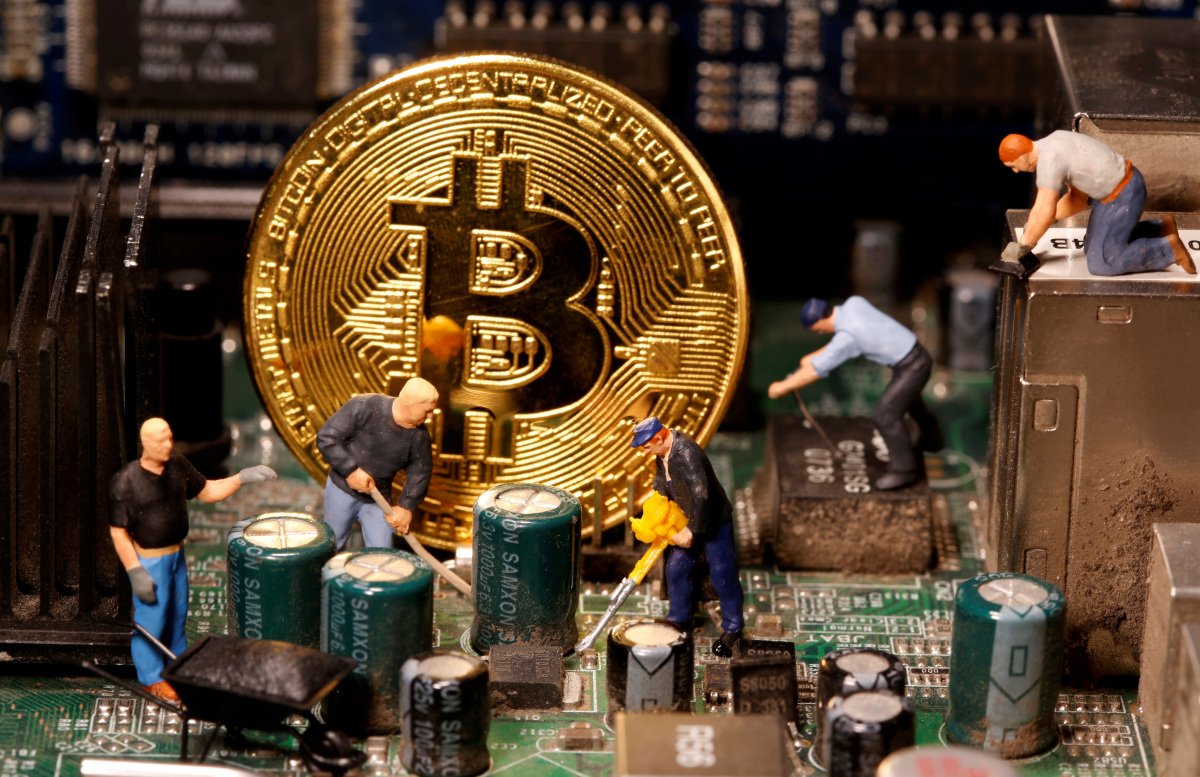
industry trends helps inform purchasing decisions for mining equipment.
Technological Advancements
Next-Generation ASICs: Manufacturers continue improving efficiency with new chip designs. Future miners may achieve 15-20 J/TH or better, reducing electricity costs significantly.
Immersion Cooling: Submerging miners in dielectric fluid allows higher overclocking, better temperature management, and extended hardware life. This technology is transitioning from enterprise to consumer markets.
AI-Optimized Mining: Machine learning algorithms may optimize mining operations in real-time, adjusting power settings based on electricity prices, pool performance, and hardware conditions.
Market Predictions
Difficulty Increases: As Bitcoin’s price rises, more miners join the network, continuously increasing difficulty. Factor this into long-term profitability calculations.
Halving Impact: The next Bitcoin halving (expected 2028) will reduce block rewards from 3.125 to 1.5625 BTC, dramatically impacting mining economics. Efficiency becomes even more critical.
Regulatory Evolution: Expect increased regulation, particularly around energy consumption and environmental impact. Compliance costs may increase.
Consolidation Trend: Large mining operations with access to cheap electricity and capital for latest equipment may squeeze out smaller miners, though niche opportunities remain.
Conclusion
Purchasing a bitcoin mining rig for sale represents a significant investment requiring careful research and planning. Success in Bitcoin mining depends on understanding hardware specifications, calculating realistic profitability, securing appropriate infrastructure, and maintaining equipment properly.
The most profitable miners combine efficient hardware, access to cheap electricity (below $0.08/kWh), proper cooling infrastructure, and realistic expectations about ROI timelines. While market conditions fluctuate, Bitcoin mining continues offering opportunities for well-prepared operators who prioritize efficiency and stay informed about technological advances.
Before making your purchase, thoroughly research available models, calculate your specific profitability based on local electricity rates, and ensure you have appropriate facilities for operation. Whether you’re starting with a single ASIC miner or planning a larger operation, proper planning and due diligence maximize your chances of profitable mining.
See more: Best Bitcoin Mining Machines 2025 Profitable ASICs
