

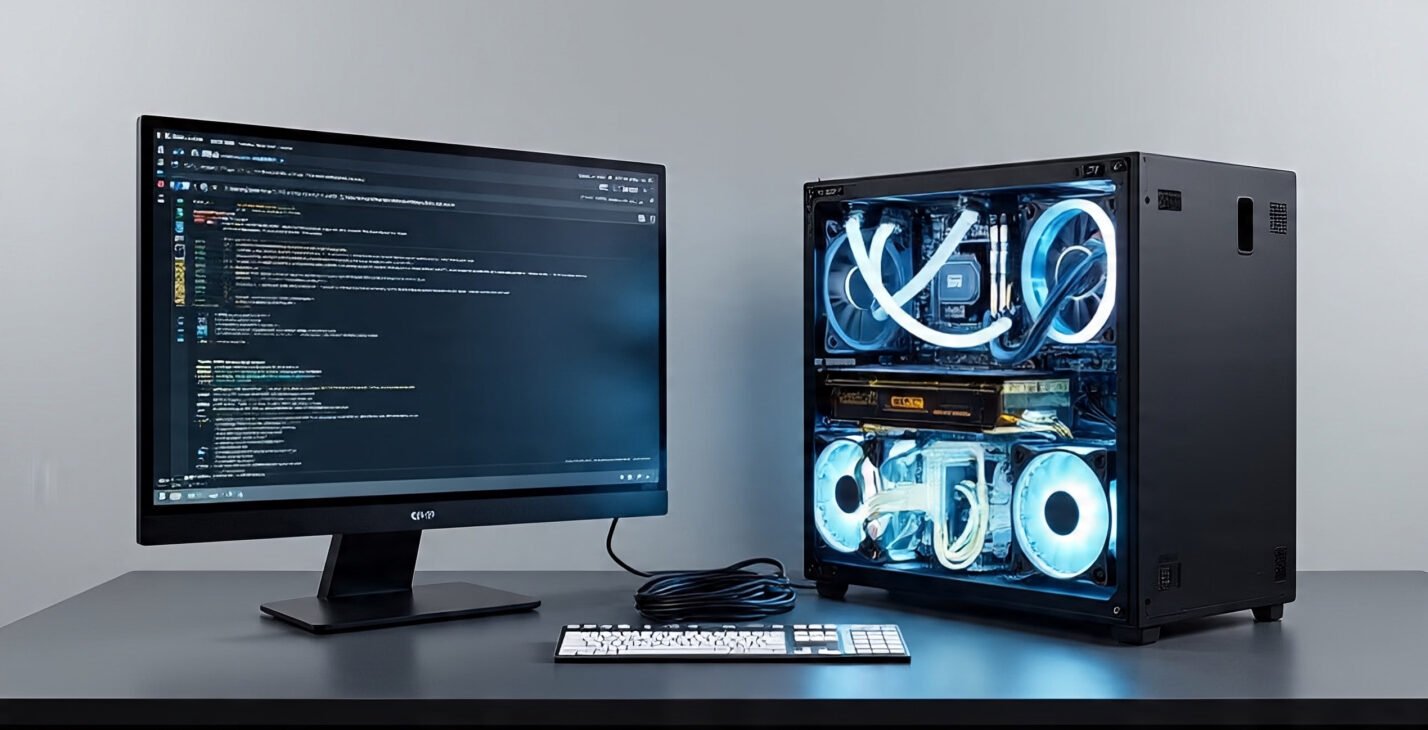
Building your own bitcoin mining rig setup guide has become increasingly important as cryptocurrency mining evolves in 2025. Whether you’re a complete beginner or looking to upgrade your existing mining operation, this comprehensive bitcoin mining rig setup guide will walk you through every step of creating a profitable mining system. From selecting the right hardware components to optimizing your mining software, we’ll cover everything you need to know to get started with cryptocurrency mining. The world of Bitcoin mining can seem overwhelming at first, but with the right guidance and proper planning, you can build an efficient mining rig that generates consistent returns on your investment.
What is Bitcoin Mining and Why Build Your Own Rig?
Bitcoin mining is the process of validating transactions on the Bitcoin blockchain network while earning Bitcoin rewards. When you build your own mining rig, you’re essentially creating a specialized computer system designed to solve complex mathematical problems that secure the Bitcoin network.
The primary advantage of building your own mining rig versus buying pre-built systems is cost efficiency and customization. You can select components that match your budget, power requirements, and performance goals. Additionally, building your own rig gives you valuable knowledge about hardware troubleshooting and system optimization.
Benefits of DIY Bitcoin Mining Rigs
- Lower initial investment compared to pre-built systems
- Complete control over component selection and quality
- Better understanding of your mining hardware
- Easier maintenance and upgrades
- Potential for higher profit margins
Essential Components for Your Bitcoin Mining Rig Setup Guide
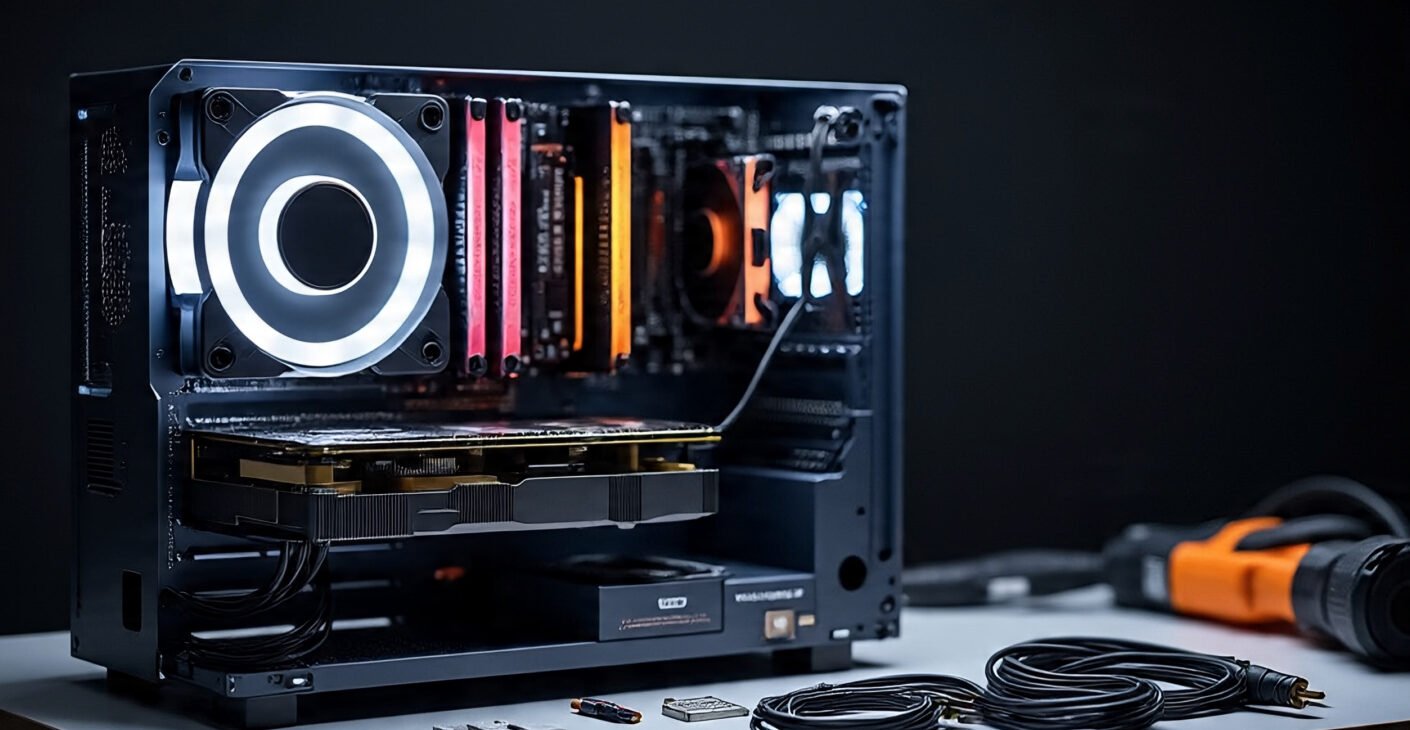
Mining Hardware (ASICs vs GPUs)
The foundation of any successful bitcoin mining rig setup guide begins with choosing the right mining hardware. In 2025, ASIC (Application-Specific Integrated Circuit) miners dominate Bitcoin mining due to their superior hash rates and energy efficiency.
ASIC Miners for Bitcoin:
- Antminer S19 XP (140 TH/s)
- Whatsminer M50S (126 TH/s)
- Antminer S19 Pro+ (110 TH/s)
GPU Mining Considerations: While GPUs are not profitable for Bitcoin mining in 2025, they remain viable for mining other cryptocurrencies like Ethereum Classic, Ravencoin, and Ergo. If you’re interested in multi-cryptocurrency mining, consider high-end GPUs like RTX 4090 or RX 7900 XTX.
Power Supply Units (PSUs)
Your mining rig’s power supply is critical for stable operation. Calculate your total power consumption and add 20% overhead for safety. For ASIC miners, you’ll typically need:
- 1600W+ PSUs for high-end ASIC miners
- 80+ Gold efficiency rating minimum
- Modular cables for better airflow management
- Multiple PSUs for larger operations
Cooling and Ventilation Systems
Proper cooling is essential for maintaining optimal mining performance and extending hardware lifespan. Your cooling solution should include:
Air Cooling Solutions:
- Industrial fans (120mm-200mm)
- Exhaust ventilation systems
- Intake air filtration
- Temperature monitoring sensors
Liquid Cooling (Advanced):
- Custom water cooling loops
- All-in-one liquid coolers
- Immersion cooling systems
Mining Rig Frame and Organization
A well-organized mining rig frame improves airflow, reduces maintenance time, and enhances safety. Consider these frame options:
- Aluminum mining rig frames
- Open-air designs for maximum ventilation
- Stackable configurations for scalability
- Cable management systems
Step-by-Step Bitcoin Mining Rig Setup Guide
Phase 1: Planning and Preparation
Before purchasing any hardware, conduct thorough planning:
- Calculate Power Requirements: Determine your electrical capacity and costs
- Choose Mining Location: Select a well-ventilated area with stable power
- Set Budget Parameters: Establish hardware, electricity, and operational budgets
- Research Local Regulations: Understand cryptocurrency mining laws in your area
Phase 2: Hardware Assembly
1: Prepare Your Workspace
Set up a clean, static-free environment with adequate lighting and ventilation.
2: Install Mining Hardware
- Mount ASIC miners or GPUs securely in your frame
- Connect power supply units with appropriate cables
- Install cooling fans and ventilation systems
- Organize cables for optimal airflow
3: Network Configuration
- Connect Ethernet cables for stable internet connectivity
- Configure router settings for mining pool connections
- Set up network monitoring tools
Phase 3: Software Configuration
Mining Software Selection: Popular mining software options include:
- CGMiner (command-line interface)
- BFGMiner (advanced features)
- EasyMiner (beginner-friendly GUI)
- NiceHash (automatic profit switching)
Mining Pool Setup: Join reputable mining pools to receive consistent payouts:
- Antpool
- F2Pool
- Slush Pool
- Binance Pool
Configuration Steps:
- Download and install mining software
- Configure pool server addresses and ports
- Enter your Bitcoin wallet address
- Set worker names and passwords
- Optimize mining parameters
Optimizing Your Mining Rig Performance
Hardware Optimization Techniques
Overclocking and Undervolting: Carefully adjust your mining hardware settings to maximize efficiency:
- Gradually increase hash rates while monitoring temperatures
- Reduce voltage to lower power consumption
- Use MSI Afterburner or similar software for GPU tuning
- Monitor stability over 24-hour periods
Temperature Management: Maintain optimal operating temperatures:
- Keep ASIC miners below 80°C
- GPU temperatures should stay under 75°C
- Use thermal paste replacement every 12-18 months
- Implement automatic fan curve adjustments
Software Optimization Strategies
Mining Pool Optimization:
- Test different pools to find the best latency
- Monitor pool reliability and payout frequency
- Consider pool fees in profitability calculations
- Use backup pools to prevent downtime
Monitoring and Maintenance:
- Implement 24/7 monitoring systems
- Set up temperature and hash rate alerts
- Schedule regular maintenance intervals
- Keep detailed performance logs
Calculating Mining Profitability and ROI
Essential Profitability Factors
Understanding mining profitability requires analyzing multiple variables:
Revenue Factors:
- Current Bitcoin price
- Mining difficulty adjustments
- Hash rate performance
- Pool fees and payout structure
Cost Factors:
- Electricity consumption and rates
- Hardware depreciation
- Maintenance and replacement costs
- Cooling and infrastructure expenses
Profitability Calculation Tools
Use reliable mining calculators to estimate returns:
- WhatToMine.com
- CoinWarz mining calculator
- NiceHash profitability calculator
- Custom spreadsheet models
Example Calculation: For an Antminer S19 XP (140 TH/s):
- Daily Bitcoin earnings: ~0.002 BTC
- Daily electricity cost: $8.64 (at $0.10/kWh)
- Net daily profit: ~$40 (at $50,000 BTC price)
- ROI period: 18-24 months
Common Mistakes to Avoid in Mining Rig Setup
Hardware-Related Mistakes
Insufficient Power Planning: Many beginners underestimate power requirements, leading to system instability and potential hardware damage. Always calculate total power consumption and add 20% overhead.
Poor Ventilation Design: Inadequate cooling leads to thermal throttling, reduced performance, and shortened hardware lifespan. Invest in proper ventilation from the beginning.
Cheap Power Supply Selection: Low-quality PSUs can cause system failures, data corruption, and potential fire hazards. Choose reputable brands with appropriate efficiency ratings.
Software and Configuration Errors
Incorrect Mining Pool Configuration: Wrong server addresses, ports, or authentication credentials prevent successful mining. Double-check all configuration parameters.
Overaggressive Overclocking: Pushing hardware beyond stable limits causes crashes, data corruption, and permanent damage. Increase settings gradually and test thoroughly.
Neglecting Security Measures: Unsecured mining rigs are vulnerable to malware, cryptocurrency theft, and unauthorized access. Implement proper security protocols.
Legal and Regulatory Considerations
Understanding Mining Regulations
Cryptocurrency mining . Regulations vary significantly by jurisdiction. Research local laws regarding:
- Residential vs commercial mining operations
- Electrical permits and inspections
- Tax implications and reporting requirements
- Environmental impact assessments
Tax Implications of Mining Operations
Mining income is typically considered taxable revenue:
- Record daily mining income at fair market value
- Track equipment depreciation for tax deductions
- Maintain detailed expense records
- Consult tax professionals for complex situations
Scaling Your Mining Operation

Expanding Your Mining Farm
Once your initial rig proves profitable, consider scaling options:
Horizontal Scaling:
- Add identical mining rigs for predictable expansion
- Implement centralized monitoring systems
- Negotiate bulk electricity rates
- Consider industrial facility relocation
Vertical Scaling:
- Upgrade to newer, more efficient hardware
- Implement advanced cooling solutions
- Optimize facility infrastructure
- Explore renewable energy options
Advanced Mining Strategies
Diversification Approaches:
- Mine multiple cryptocurrencies simultaneously
- Participate in different mining pools
- Consider dual-mining compatible algorithms
- Explore cloud mining hybrid models
Maintenance and Troubleshooting
Regular Maintenance Schedule
Establish a comprehensive maintenance routine:
Daily Tasks:
- Monitor temperatures and hash rates
- Check for error messages or alerts
- Verify internet connectivity
- Review mining pool statistics
Weekly Tasks:
- Clean dust from fans and heat sinks
- Inspect cable connections
- Update mining software
- Backup configuration files
Monthly Tasks:
- Analyze profitability trends
- Review electricity consumption
- Update firmware and drivers
- Perform comprehensive system tests
Common Troubleshooting Issues
Hardware Problems:
- Overheating components
- Power supply failures
- Fan malfunctions
- Memory errors
Software Issues:
- Mining software crashes
- Pool connection problems
- Driver conflicts
- Configuration errors
Network Connectivity:
- Internet service interruptions
- Router configuration problems
- Firewall blocking issues
- DNS resolution failures
Future-Proofing Your Mining Investment
Technology Trends and Adaptations
Stay informed about mining industry developments:
Hardware Evolution:
- Next-generation ASIC improvements
- Energy efficiency advancements
- Alternative cooling technologies
- Modular mining system designs
Software Innovations:
- AI-powered mining optimization
- Automated profit switching
- Advanced monitoring platforms
- Blockchain protocol updates
Preparing for Market Changes
Bitcoin Halving Events: Plan for periodic reward reductions that occur approximately every four years:
- Adjust profitability calculations
- Consider hardware upgrade timing
- Evaluate operational efficiency improvements
Regulatory Adaptation: Stay compliant with evolving regulations:
- Monitor legislative developments
- Maintain detailed operational records
- Consider jurisdictional arbitrage opportunities
Conclusion
Building a successful bitcoin mining rig setup requires careful planning, quality components, and ongoing optimization efforts. This comprehensive bitcoin mining rig setup guide provides the foundation for creating a profitable mining operation that can generate consistent returns over time. Remember that mining success. Depends on multiple. Hardware selection and market conditions. Start with a single rig to gain experience . As you develop expertise. And confidence in your mining abilities.
