

The cryptocurrency community has been buzzing with excitement following the latest Ethereum gas fees reduction news that promises to revolutionize how users interact with the blockchain. Recent developments in Ethereum’s infrastructure have led to significant decreases in transaction costs, making DeFi protocols more accessible than ever before. This comprehensive analysis explores the latest updates, technical improvements, and real-world implications of reduced gas fees on Ethereum’s network. Whether you’re a seasoned investor or new to cryptocurrency, understanding these changes is crucial for maximizing your DeFi experience while minimizing transaction costs.
Latest Ethereum Gas Fees Reduction News: What’s Happening Now
Recent Network Upgrades Drive Cost Reductions
The Ethereum network has undergone substantial improvements in 2025, with the implementation of EIP-4844 (Proto-Danksharding) leading to dramatic reductions in transaction costs. Current data shows that average gas fees have dropped from $20-50 per transaction to under $5 for most standard operations.
Key developments include:
- Proto-Danksharding Implementation: This upgrade introduced “blob” transactions, specifically designed to reduce costs for Layer 2 rollups
- Optimized Block Space: Improved block utilization has increased transaction throughput by 15-20%
- Enhanced MEV Protection: New mechanisms protect users from excessive MEV (Maximal Extractable Value) costs
- Smart Contract Optimizations: Popular DeFi protocols have implemented gas-efficient smart contracts
Layer 2 Solutions Show Remarkable Progress
Layer 2 scaling solutions have become game-changers in the gas fee reduction landscape. Optimism, Arbitrum, and Polygon have all reported significant improvements in their fee structures, with some transactions costing less than $0.01.
How EIP-4844 Revolutionizes Ethereum Transaction Costs
Understanding Proto-Danksharding Technology
EIP-4844, also known as Proto-Danksharding, represents the most significant upgrade to Ethereum’s fee structure since the London Hard Fork. This improvement introduces a new transaction type called “blob-carrying transactions” that store data more efficiently.
The technical benefits include:
Reduced Data Storage Costs: Blob transactions store data temporarily, reducing long-term storage requirements and associated costs.
Improved Rollup Efficiency: Layer 2 rollups can now post data to Ethereum at a fraction of previous costs, with savings passed on to end users.
Enhanced Scalability: The network can process more transactions without proportional increases in gas fees.
Backward Compatibility: Existing applications continue functioning while benefiting from reduced costs.
Real-World Impact on Users
Early adopters report transaction cost reductions of 60-90% for common DeFi operations like token swaps, liquidity provision, and yield farming. These improvements make previously expensive operations economically viable for smaller investors.
Major DeFi Protocols Respond to Gas Fee Reductions
Uniswap’s Cost-Efficient Trading
Uniswap, the leading decentralized exchange, has optimized its smart contracts to take advantage of lower gas fees. Users now experience:
- Reduced Swap Costs: Token swaps now cost 70% less on average
- Efficient Liquidity Operations: Adding and removing liquidity positions require minimal gas
- Enhanced User Experience: Lower barriers to entry for new DeFi participants
Compound Finance Optimization
The lending protocol has implemented several improvements:
- Gas-Efficient Borrowing: Loan origination costs reduced by up to 80%
- Streamlined Liquidations: More efficient liquidation mechanisms protect borrowers
- Improved Governance: Voting on proposals now costs significantly less
Aave’s Innovation Response
Aave has introduced new features specifically designed for the low-gas environment:
- Micro-Lending: Small loans now economically viable
- Flash Loan Optimizations: Reduced costs for arbitrage opportunities
- Enhanced Risk Management: More frequent position adjustments possible
Layer 2 Scaling Solutions: The Future of Low-Cost Transactions
Optimism’s Remarkable Growth
Optimism has experienced unprecedented adoption following gas fee reductions on Ethereum mainnet. The synergy between Layer 1 improvements and Layer 2 efficiency creates an optimal user experience.
Benefits include:
- Sub-Cent Transactions: Most operations cost less than $0.01
- Instant Confirmations: Near-instantaneous transaction finality
- Seamless Bridging: Reduced costs for moving assets between layers
Arbitrum’s Ecosystem Expansion
Arbitrum has leveraged the improved gas environment to attract new protocols and users. The platform now hosts over 400 DeFi applications, all benefiting from ultra-low transaction costs.
Polygon’s Strategic Positioning
Polygon continues innovating with new solutions like Polygon CDK (Chain Development Kit), enabling developers to create custom blockchain solutions with minimal gas fees.
Investment Implications of Reduced Gas Fees
Enhanced Portfolio Management
Lower transaction costs enable more sophisticated portfolio management strategies:
Frequent Rebalancing: Investors can adjust positions more frequently without prohibitive costs
Dollar-Cost Averaging: Small, regular investments become economically viable
Yield Optimization: Users can chase yield opportunities across multiple protocols
Risk Management: More granular position management reduces overall portfolio risk
Institutional Adoption Acceleration
Reduced gas fees remove significant barriers for institutional investors:
- Cost Predictability: More stable fee structures enable better financial planning
- Regulatory Compliance: Lower costs make compliance monitoring more economical
- Operational Efficiency: Reduced friction in DeFi operations
- Market Making: Professional traders can provide liquidity more efficiently
Technical Analysis: Gas Price Trends and Predictions
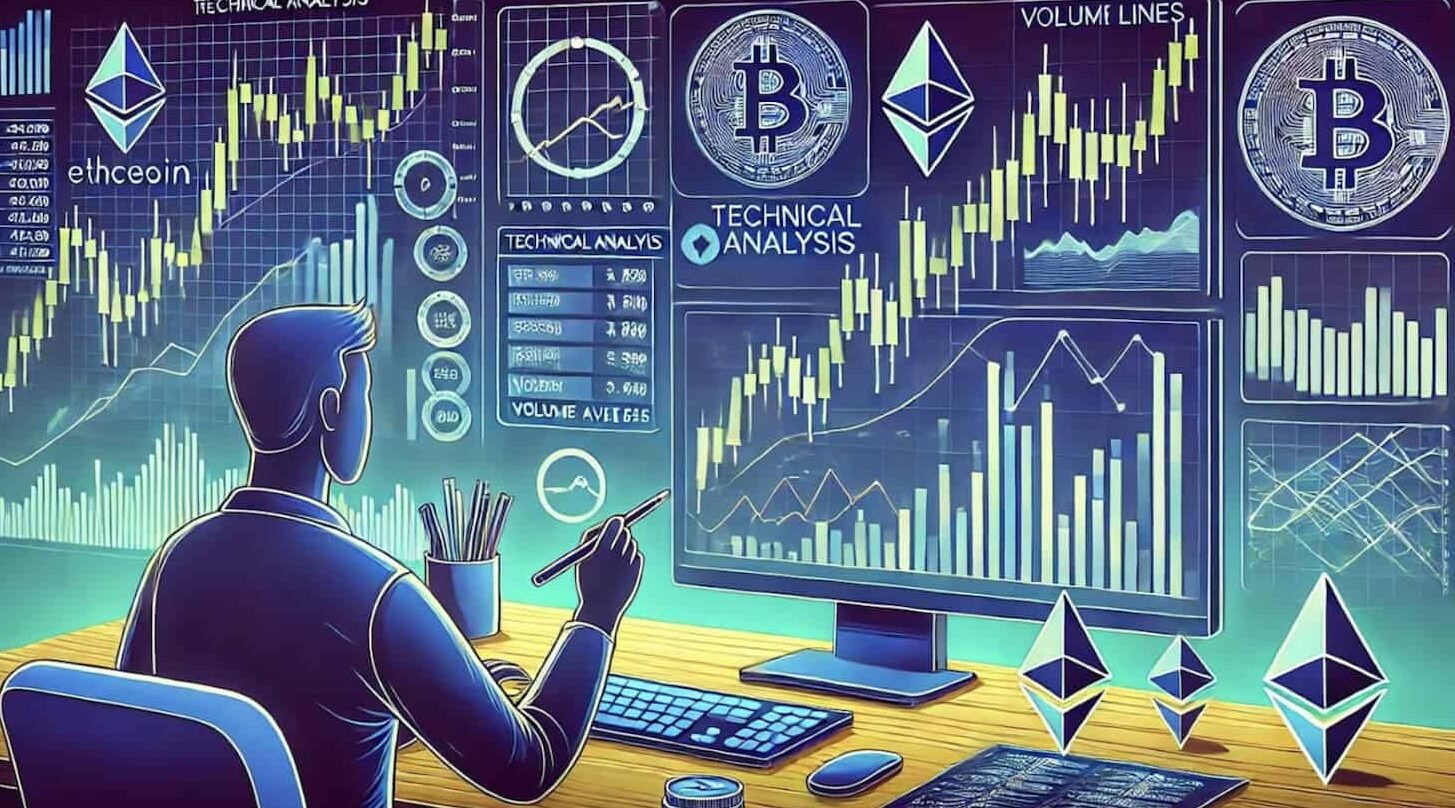
Current Market Dynamics
Gas price analysis reveals several important trends:
Base Fee Stability: The London Hard Fork’s EIP-1559 continues providing price predictability
Priority Fee Optimization: Users better understand priority fee mechanics, reducing unnecessary overpayments
Network Utilization: Improved efficiency means less congestion during high-demand periods
Seasonal Patterns: Gas fees show more predictable patterns, helping users time transactions
Future Projections
Industry experts predict continued improvements in gas fee structures:
- Additional EIPs: Future Ethereum Improvement Proposals will further optimize costs
- Layer 2 Maturation: Second-layer solutions will achieve even greater efficiency
- Cross-Chain Integration: Improved interoperability will reduce bridging costs
- Developer Adoption: More gas-efficient programming practices will become standard
Impact on NFT Markets and Gaming
NFT Trading Revolution
The NFT market has experienced renewed activity due to reduced minting and trading costs:
Affordable Minting: Artists can create NFTs without prohibitive upfront costs
Micro-Transactions: Small-value NFT trades become economically viable
Gaming Integration: Blockchain games can implement more complex tokenomics
Creator Economy: Lower barriers enable more creators to participate in the NFT ecosystem
Blockchain Gaming Evolution
Gaming protocols benefit significantly from reduced gas fees:
- In-Game Transactions: Players can make small purchases without excessive fees
- Item Trading: Secondary markets for gaming assets become more liquid
- Reward Systems: Games can distribute smaller, more frequent rewards
- User Onboarding: Lower costs reduce barriers for new players
Regulatory and Compliance Considerations
Enhanced Transparency
Lower gas fees enable more frequent on-chain reporting and compliance activities:
Real-Time Monitoring: Continuous transaction monitoring becomes cost-effective
Regulatory Reporting: More frequent compliance reports possible
Audit Trails: Detailed transaction histories can be maintained economically
KYC/AML Integration: Enhanced identity verification processes
Global Regulatory Response
Regulators worldwide are taking notice of improved Ethereum efficiency:
- Policy Development: New frameworks considering reduced operational costs
- Tax Implications: Clearer guidance on gas fee deductions
- Consumer Protection: Enhanced monitoring capabilities
- Market Integrity: Better surveillance of DeFi activities
Developer Ecosystem and Innovation
Smart Contract Optimization
Developers are creating more sophisticated applications leveraging reduced gas costs:
Complex Logic: Previously expensive operations are now economically viable
Micro-Services: Smaller, specialized contracts can interact more frequently
Cross-Protocol Integration: Enhanced composability between DeFi protocols
User Experience: Smoother application interactions without gas concerns
New Business Models
Reduced gas fees enable innovative business models:
- Freemium DeFi: Applications can subsidize user transactions
- Micro-Payments: Small-value transactions become profitable
- Subscription Services: Regular, small payments for DeFi services
- Social Finance: Community-driven financial applications
Security Implications of Gas Fee Changes
Enhanced Network Security
Lower gas fees don’t compromise security; they enhance it:
Increased Usage: More transactions strengthen network effects
Better Monitoring: Cost-effective security auditing
Improved Testing: Developers can test more thoroughly
Community Participation: More users can participate in governance
Risk Management Improvements
DeFi protocols implement better risk management with lower costs:
- Frequent Position Updates: Real-time risk adjustments
- Enhanced Liquidation Systems: More efficient debt management
- Insurance Integration: Cost-effective protection mechanisms
- Stress Testing: Regular protocol testing becomes affordable
Conclusion
The latest Ethereum gas fees reduction news marks a pivotal moment in blockchain technology evolution. These improvements democratize access to DeFi protocols, enable new business models, and accelerate institutional adoption. As transaction costs continue declining, we expect unprecedented innovation in decentralized finance, gaming, and Web3 applications.
Stay informed about continuing developments in Ethereum gas fee optimization by following our comprehensive coverage of blockchain improvements and their real-world implications. The reduced-cost era has begun—position yourself to take advantage of these game-changing developments.
