

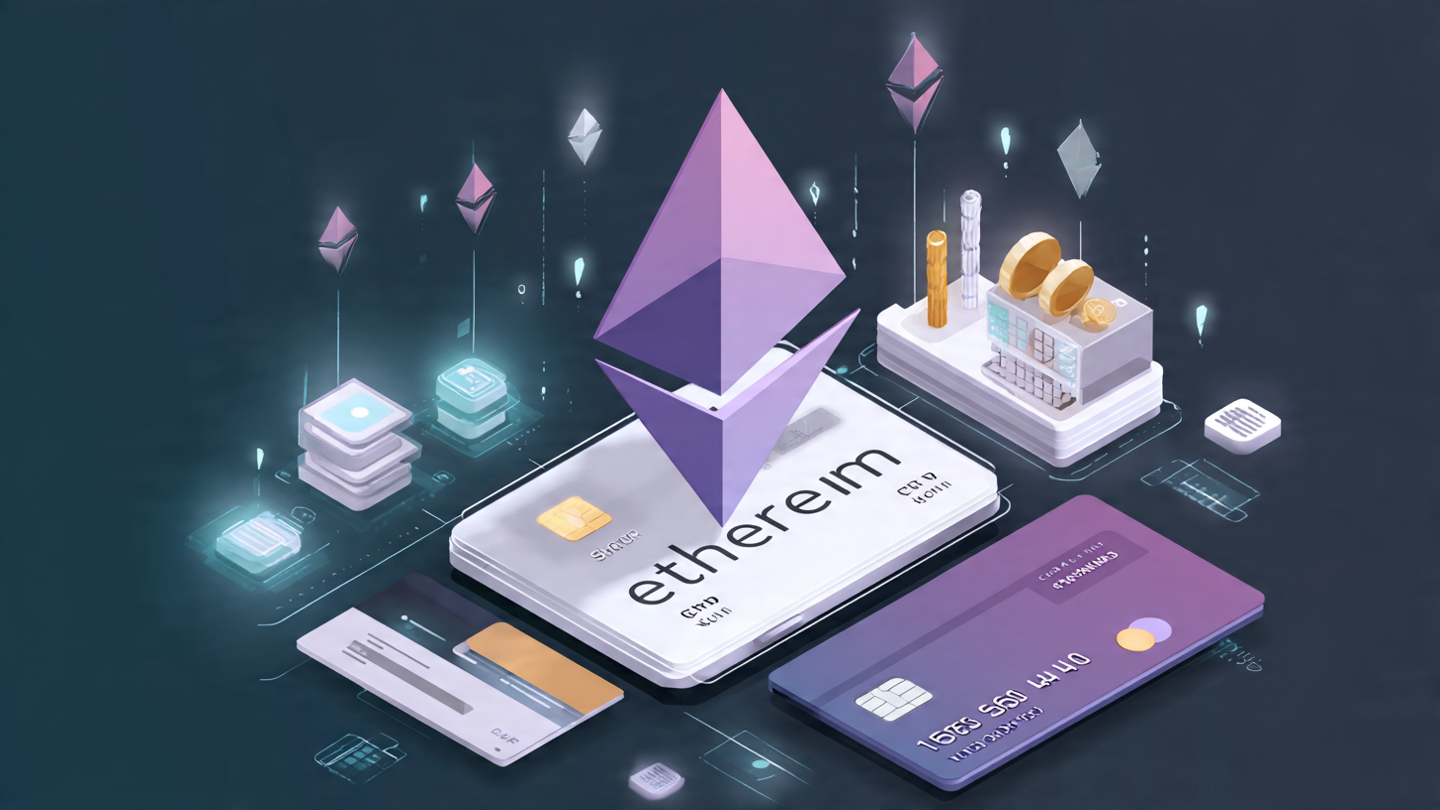
Cryptocurrency has revolutionized the way we think about money, and Ethereum stands as the second-largest digital asset by market capitalization. If you’re wondering how to buy Ethereum with credit card, you’re in the right place. This comprehensive guide will walk you through everything you need to know about purchasing Ethereum using your credit or debit card quickly and securely.
Buying Ethereum with a credit card is one of the fastest and most convenient methods for both beginners and experienced investors. Unlike bank transfers that can take several days, credit card purchases allow you to acquire Ethereum within minutes. Whether you’re using a Visa, Mastercard, or American Express, the process has become increasingly streamlined across major cryptocurrency exchanges. In this guide, we’ll explore the best platforms, compare fees, discuss security measures, and provide step-by-step instructions to help you make your first Ethereum purchase with confidence.
What is Ethereum and Why Buy It?
Before diving into how to buy Ethereum with credit card, it’s essential to understand what you’re investing in. Ethereum is a decentralized blockchain platform that enables smart contracts and decentralized applications (dApps). Unlike Bitcoin, which primarily serves as digital currency, Ethereum functions as a programmable blockchain that powers thousands of applications, from decentralized finance (DeFi) protocols to non-fungible tokens (NFTs).
Key Benefits of Ethereum
Ethereum offers several advantages that make it attractive to investors:
- Smart Contract Functionality: Ethereum pioneered smart contracts, which are self-executing agreements with terms written directly into code.
- DeFi Ecosystem: Ethereum hosts the majority of decentralized finance applications, offering lending, borrowing, and yield farming opportunities.
- NFT Marketplace: Most NFT platforms operate on the Ethereum blockchain, making ETH essential for digital collectibles.
- Ethereum 2.0 Upgrade: The transition to proof-of-stake has made Ethereum more energy-efficient and scalable.
- Strong Developer Community: Thousands of developers continuously improve and build on the Ethereum network.
Why Use a Credit Card to Buy Ethereum?
Using a credit card to purchase Ethereum offers distinct advantages over other payment methods:
Speed and Convenience: Credit card transactions process instantly, allowing you to buy Ethereum within minutes. This is particularly beneficial during market volatility when timing matters.
Accessibility: Almost everyone has access to a credit or debit card, making this method widely available for newcomers to cryptocurrency.
No Additional Accounts: Unlike bank transfers that may require setting up separate banking relationships, you can use your existing credit card.
Rewards Programs: Some credit cards offer cashback or rewards points on purchases, though you should verify that cryptocurrency purchases qualify.
Purchase Protection: Credit cards typically offer consumer protection and the ability to dispute charges if issues arise.
However, it’s important to note that credit card purchases usually come with higher fees compared to bank transfers, typically ranging from 3% to 5%. Additionally, some credit card issuers classify cryptocurrency purchases as cash advances, which may incur additional fees and higher interest rates.
Best Platforms to Buy Ethereum with Credit Card
Choosing the right platform is crucial when learning how to buy Ethereum with credit card. Here are the top exchanges that support credit card purchases:

1. Coinbase
Coinbase is one of the most beginner-friendly platforms for buying Ethereum with a credit card. The exchange supports Visa, Mastercard, and other major card providers.
Pros:
- User-friendly interface perfect for beginners
- Insured cryptocurrency holdings
- Mobile app available for iOS and Android
- Instant purchase capability
Cons:
- Higher fees (approximately 3.99% for credit card purchases)
- Limited advanced trading features
2. Binance
Binance is the world’s largest cryptocurrency exchange by trading volume and offers competitive fees for credit card purchases.
Pros:
- Lower fees compared to competitors (1.8% to 2%)
- Extensive cryptocurrency selection
- Advanced trading tools available
- High liquidity
Cons:
- Interface can be overwhelming for beginners
- Regulatory restrictions in some regions
3. Kraken
Kraken is a well-established exchange known for its security and regulatory compliance.
Pros:
- Strong security track record
- Competitive fees
- Excellent customer support
- Advanced order types
Cons:
- Credit card purchases may have higher fees
- Account verification can take time
4. Crypto.com
Crypto.com offers a seamless credit card purchase experience with additional features like crypto-backed credit cards.
Pros:
- No fees for the first 30 days
- Rewards program with their native token
- Easy-to-use mobile app
- Instant purchases
Cons:
- Fees increase after promotional period
- Limited availability in some countries
5. eToro
eToro combines cryptocurrency trading with social trading features, making it unique among exchanges.
Pros:
- Social trading and copy trading features
- Regulated in multiple jurisdictions
- No deposit fees with credit card
- Educational resources
Cons:
- Withdrawal fees apply
- You don’t directly own the cryptocurrency (unless using eToro Wallet)
Step-by-Step Guide: How to Buy Ethereum with Credit Card
Now let’s walk through the complete process of how to buy Ethereum with credit card on a typical exchange:
Step 1: Choose a Cryptocurrency Exchange
Research and select an exchange that operates in your region and supports credit card purchases. Consider factors like fees, security, reputation, and user experience.
Step 2: Create an Account
Visit the exchange’s website or download their mobile app. Click on “Sign Up” or “Register” and provide:
- Email address
- Strong password (use a combination of letters, numbers, and symbols)
- Phone number for two-factor authentication
Verify your email address by clicking the confirmation link sent to your inbox.
Step 3: Complete Identity Verification (KYC)
Due to regulatory requirements, most exchanges require Know Your Customer (KYC) verification:
- Upload a government-issued ID (passport, driver’s license, or national ID)
- Provide proof of address (utility bill or bank statement dated within the last 3 months)
- Take a selfie for facial recognition verification
Verification typically takes anywhere from a few minutes to 24 hours, depending on the platform.
Step 4: Add Your Credit Card
Navigate to the payment methods section:
- Click “Add Payment Method” or “Add Card”
- Enter your credit card details (card number, expiration date, CVV)
- Provide billing address information
- Complete any additional verification required by your card issuer
Some platforms may charge a small verification amount (typically $1-2) that will be refunded to confirm card ownership.
Step 5: Navigate to Buy Ethereum
Once your account is verified and your card is added:
- Go to the “Buy Crypto” or “Trade” section
- Select Ethereum (ETH) from the list of available cryptocurrencies
- Choose credit card as your payment method
Step 6: Enter Purchase Amount
Specify how much Ethereum you want to buy:
- You can enter the amount in your local fiat currency (USD, EUR, GBP, etc.)
- Or specify the exact amount of ETH you want to purchase
- Review the exchange rate and total fees displayed
Step 7: Review and Confirm Transaction
Before finalizing:
- Double-check the purchase amount
- Review all fees (transaction fees, processing fees, network fees)
- Verify the total amount that will be charged to your card
- Confirm the Ethereum amount you’ll receive
Step 8: Complete Purchase
Click “Buy Now” or “Confirm Purchase”:
- Your card issuer may require 3D Secure authentication
- Enter the verification code sent to your phone or email
- Wait for transaction confirmation (usually takes 1-5 minutes)
Step 9: Secure Your Ethereum
After purchase:
- Your Ethereum will appear in your exchange wallet
- Consider transferring to a personal wallet for enhanced security
- Enable all available security features (2FA, withdrawal whitelist, etc.)
Fees When You Buy Ethereum with Credit Card
Fees are an important consideration when learning how to buy Ethereum with credit card. Here’s a breakdown of typical costs:
Exchange Fees
Most platforms charge a percentage-based fee on credit card purchases:
- Coinbase: 3.99% for credit card purchases
- Binance: 1.8% to 2% depending on region
- Kraken: 3.75% + €0.25 for credit card purchases
- Crypto.com: 2.99% after promotional period
Credit Card Processing Fees
Your card issuer may charge additional fees:
- Cash advance fees: Some banks treat crypto purchases as cash advances (typically 3% to 5%)
- Foreign transaction fees: If the exchange processes payments internationally (usually 1% to 3%)
- Interest charges: Cash advances often accrue interest immediately without a grace period
Network Fees
When transferring Ethereum to an external wallet:
- Gas fees: Ethereum network fees vary based on network congestion
- Withdrawal fees: Some exchanges charge fixed fees for withdrawing cryptocurrency
How to Minimize Fees
Consider these strategies to reduce costs:
- Compare fees across multiple exchanges before purchasing
- Buy larger amounts less frequently to reduce percentage-based fees
- Use debit cards instead of credit cards when possible (often lower fees)
- Check if your credit card offers crypto-friendly terms
- Consider bank transfers for large purchases despite longer wait times
Security Tips for Buying Ethereum with Credit Card
Security should be your top priority when purchasing cryptocurrency. Follow these essential tips:
Protect Your Exchange Account
Enable Two-Factor Authentication (2FA): Use authenticator apps like Google Authenticator or Authy rather than SMS-based 2FA, which is vulnerable to SIM-swapping attacks.
Create Strong Passwords: Use unique passwords for each exchange, ideally 16+ characters with a mix of uppercase, lowercase, numbers, and symbols. Consider using a password manager.
Enable Withdrawal Whitelist: Restrict withdrawals to pre-approved wallet addresses only.
Use Biometric Authentication: Enable fingerprint or face recognition on mobile apps when available.
Secure Your Credit Card Information
Monitor Transactions: Regularly check your credit card statements for unauthorized charges.
Use Virtual Cards: Consider using virtual credit card numbers for online crypto purchases to protect your actual card details.
Set Purchase Alerts: Enable notifications for all credit card transactions to detect suspicious activity immediately.
Limit Exposure: Only link one credit card to crypto exchanges and use cards with lower credit limits.
Choose Reputable Exchanges
Research Platform History: Select exchanges with proven security track records and no major hacks.
Check Regulatory Compliance: Ensure the platform is licensed and regulated in your jurisdiction.
Read User Reviews: Research user experiences and complaints before committing.
Verify Website Authenticity: Always check the URL carefully to avoid phishing sites that mimic legitimate exchanges.
Protect Your Ethereum
Use Hardware Wallets: For significant holdings, transfer Ethereum to hardware wallets like Ledger or Trezor.
Keep Private Keys Secure: Never share your private keys or seed phrases with anyone.
Backup Recovery Phrases: Store seed phrases offline in multiple secure locations.
Beware of Phishing: Never click links in unsolicited emails claiming to be from exchanges.
Common Issues and How to Resolve Them
When learning how to buy Ethereum with credit card, you may encounter these common problems:
Card Declined
Reasons:
- Card issuer blocking cryptocurrency purchases
- Insufficient credit limit
- Suspected fraud detection
- Geographic restrictions
Solutions:
- Contact your bank to approve cryptocurrency transactions
- Try a different card or payment method
- Verify your billing address matches card details
- Start with smaller purchase amounts
Verification Delays
Reasons:
- High volume of new users
- Document quality issues
- Information discrepancies
Solutions:
- Ensure documents are clear, valid, and match your profile information
- Contact customer support for status updates
- Have alternative documents ready if initial submission fails
Higher Than Expected Fees
Reasons:
- Combined exchange and card processing fees
- Network congestion increasing gas fees
- Currency conversion fees
Solutions:
- Calculate total costs before purchasing
- Compare fees across multiple platforms
- Consider alternative payment methods for large purchases
Transaction Not Completing
Reasons:
- Network congestion
- Insufficient card limits
- Technical issues on the exchange
Solutions:
- Wait a few minutes and retry
- Check your email for additional verification requirements
- Contact exchange customer support
- Try during off-peak hours
Ethereum Storage Options After Purchase
After successfully learning how to buy Ethereum with credit card, you need to decide where to store your ETH:
Exchange Wallets
Pros:
- Convenient for active trading
- No additional setup required
- Easy to sell or exchange
Cons:
- Less secure (exchanges are hacking targets)
- You don’t control private keys
- Exchange may freeze accounts
Best For: Small amounts and active traders
Software Wallets
Software wallets are applications you install on your computer or smartphone:
Examples: MetaMask, Trust Wallet, Exodus
Pros:
- You control private keys
- Free to use
- Convenient for transactions
Cons:
- Vulnerable to malware and hacking
- Device theft or damage can result in loss
Best For: Moderate amounts and regular users
Hardware Wallets
Physical devices that store cryptocurrency offline:
Examples: Ledger Nano X, Trezor Model T
Pros:
- Highest security for long-term storage
- Protected from online threats
- Control your private keys
Cons:
- Costs $50-$200
- Less convenient for frequent transactions
- Can be lost or damaged
Best For: Large holdings and long-term investors
Paper Wallets
Physical documents containing your public and private keys:
Pros:
- Completely offline (cold storage)
- Immune to digital hacking
Cons:
- Can be lost, stolen, or damaged
- Difficult to use for transactions
- Risk of exposure when creating
Best For: Long-term storage with no access needed
Tax Implications of Buying Ethereum
tax obligations is crucial when you buy Ethereum with credit card:
Capital Gains Tax
In most jurisdictions, cryptocurrency is treated as property:
- Buying ETH: Generally not a taxable event
- Selling ETH: Capital gains tax applies on profits
- Using ETH: Trading for other crypto or using for purchases creates taxable events
Holding Periods
Tax rates often depend on how long you hold Ethereum:
- Short-term capital gains: Held less than one year, taxed at ordinary income rates
- Long-term capital gains: Held more than one year, taxed at preferential rates (typically lower)
Record Keeping
Maintain detailed records of all transactions:
- Purchase date and price
- Amount of Ethereum acquired
- Fees paid
- Sale date and price (when applicable)
- Purpose of transaction
Tax Reporting Tools
Consider using cryptocurrency tax software:
- CoinTracker
- CryptoTrader.Tax
- Koinly
- TokenTax
These platforms connect to exchanges and generate tax reports compatible with your country’s requirements.
Alternatives to Credit Card Purchases
While this guide focuses on how to buy Ethereum with credit card, consider these alternatives:

Bank Transfer (ACH/SEPA)
Pros:
- Lower fees (0.5% to 1.5%)
- Higher purchase limits
- No cash advance concerns
Cons:
- Takes 3-7 business days
- Requires bank account linking
Debit Card
Pros:
- Instant purchases like credit cards
- Often lower fees than credit cards
- No interest charges
Cons:
- Still has processing fees (2% to 3%)
- Lower purchase limits than bank transfers
PayPal/Venmo
Pros:
- Familiar payment method
- Quick processing
- Built-in buyer protection
Cons:
- Limited exchange availability
- May not allow crypto withdrawals
- Additional processing fees
Peer-to-Peer (P2P) Platforms
Examples: LocalEthereum, Paxful
Pros:
- Various payment methods accepted
- Can negotiate prices
- More privacy
Cons:
- Higher risk of scams
- Premium prices
- Requires careful verification
Cryptocurrency ATMs
Pros:
- Cash purchases possible
- No bank account needed
- Immediate transactions
Cons:
- Very high fees (5% to 20%)
- Limited locations
- Lower purchase limits
Tips for First-Time Ethereum Buyers
If you’re new to cryptocurrency, keep these tips in mind when you buy Ethereum with credit card:
Start Small
Begin with a modest investment to familiarize yourself with the process. You can always purchase more once you’re comfortable.
Dollar-Cost Averaging
Instead of investing a lump sum, consider buying smaller amounts regularly. This strategy reduces the impact of volatility.
Research Before Investing
Understand Ethereum’s technology, use cases, and market position. Never invest more than you can afford to lose.
Stay Informed
Follow reputable cryptocurrency news sources:
- CoinDesk
- CoinTelegraph
- The Block
- Ethereum Foundation blog
Join Communities
Engage with other Ethereum investors and enthusiasts:
- Reddit r/ethereum and r/ethtrader
- Ethereum Twitter community
- Discord servers dedicated to Ethereum
Avoid FOMO
Don’t make emotional decisions based on price movements. Stick to your investment strategy and risk tolerance.
Understand Volatility
Cryptocurrency prices can fluctuate significantly. Be prepared for both gains and losses.
Secure Your Investment
Immediately implement security measures after purchasing. Prevention is easier than recovery.
The Future of Ethereum and Why It Matters
Ethereum’s roadmap helps contextualize why learning how to buy Ethereum with credit card is valuable:
Ethereum 2.0 and Beyond
The transition to proof-of-stake has significantly improved Ethereum:
- 99% energy reduction: More environmentally sustainable
- Staking opportunities: ETH holders can earn rewards by staking
- Improved scalability: Network can handle more transactions
- Reduced issuance: Less ETH created, potentially increasing value
Layer 2 Solutions
Technologies built on top of Ethereum improve speed and reduce costs:
- Optimism and Arbitrum (Optimistic Rollups)
- zkSync and StarkNet (ZK-Rollups)
- Polygon (Sidechain solution)
Expanding Use Cases
Ethereum continues to power innovation:
- DeFi: Lending, borrowing, and trading without intermediaries
- NFTs: Digital art, collectibles, and virtual real estate
- DAOs: Decentralized autonomous organizations
- Identity Solutions: Self-sovereign digital identity
- Supply Chain: Transparent tracking and verification
Institutional Adoption
Major companies and institutions are embracing Ethereum:
- JPMorgan’s Onyx blockchain uses Ethereum technology
- Microsoft Azure offers Ethereum blockchain services
- European Investment Bank issued digital bonds on Ethereum
Major brands launching NFT collections on Ethereum
Conclusion
Learning how to buy Ethereum with credit card is an essential skill for anyone looking to participate in the cryptocurrency ecosystem. This payment method offers the perfect balance of speed, convenience, and accessibility, making it ideal for both newcomers and experienced investors who want immediate access to Ethereum.
Throughout this guide, we’ve covered everything from selecting the right exchange and fees to implementing security measures and exploring storage options. By following the step-by-step instructions and best practices outlined here, you can confidently make your first Ethereum purchase while minimizing risks and costs.
See More: How to Buy Stellar Lumens Safely Complete Guide 2025
