

Tether USD is the world’s most widely used stablecoin, designed to track the price of the U.S. dollar on public blockchains. For everyday crypto users, traders, and businesses, Tether USD offers a practical bridge between traditional money and digital assets, promising dollar stability with the speed and programmability of crypto. In a market known for sharp swings, Tether USD gives participants a way to move value quickly, hedge volatility, and access global liquidity without relying on bank wires that can take days. This guide explains how Tether USD works, what backs it, where it’s used, the benefits and risks to consider, and smart strategies for holding and transacting in USDT in 2025.
Along the way, we’ll unpack key concepts tied to Tether USD—such as stablecoin design, fiat-backed reserves, on-chain transfers, DeFi integrations, and cash-equivalent assets—so you can understand not only the “what” but the “why.” Whether you’re brand new to crypto or looking to refine your strategy, this comprehensive overview of Tether USD will help you navigate confidently.
What Is Tether USD?
Tether USD is a fiat-pegged digital token intended to maintain a one-to-one value with the U.S. dollar. Issued by Tether Limited, Tether USD circulates on multiple blockchains—most notably Ethereum, Tron, and others—enabling fast, low-cost transactions across borders and platforms. The ticker many exchanges use for Tether USD is USDT, a symbol you’ll see paired against thousands of cryptocurrencies and regional currencies.
From a user’s perspective, Tether USD behaves like a digital dollar that lives in a crypto wallet. You can transfer it around the world in minutes, use it as trading collateral, deposit it into DeFi protocols, or hold it as dry powder between trades. The core promise of Tether USD is stability: it aims to stay near $1.00 regardless of broader market conditions.
How Tether USD Maintains Its Peg
The Reserve Model Behind Tether USD
Tether USD maintains its dollar peg through reserves that are intended to match or exceed the value of all Tether USD in circulation. These reserves primarily include cash, cash equivalents such as U.S. Treasury bills, and other short-duration assets. The general idea is straightforward: for each Tether USD issued, the issuer holds an equivalent amount of dollar-denominated assets, which provides confidence that Tether USD can be redeemed for fiat.
Issuance, Redemption, and Market Dynamics
Tether USD enters circulation when authorised customers mint new tokens by depositing dollars or equivalent assets with the issuer. Conversely, when those customers redeem Tether USD for dollars, tokens are burned and removed from circulation. On exchanges, Tether USD may trade slightly above or below $1.00 due to supply and demand, fees, and network conditions. Arbitrageurs help keep the price near the peg by buying discounted Tether USD or selling it when the price drifts above a dollar, restoring balance through profit-seeking trades.
Why Tether USD Became Crypto’s Unit of Account
Ubiquity on Exchanges
Tether USD is listed on nearly every major cryptocurrency exchange and powers countless trading pairs. This ubiquity makes Tether USD a de facto unit of account for crypto markets. If you’re pricing altcoins, comparing yields, or moving funds between platforms, Tether USD is often the neutral denominator that keeps portfolios coherent.
Liquidity and Settlement Speed
Because Tether USD runs on public blockchains, settlement can be near-instant relative to legacy rails. Traders use Tether USD to rotate between positions rapidly, capture arbitrage opportunities, or exit risk without withdrawing funds to a bank. For institutions and market makers, Tether USD helps concentrate liquidity and reduce counterparty friction.
The Benefits of Using Tether USD
Stability in a Volatile Market
Crypto prices can swing dramatically within hours. Tether USD provides a volatility hedge, allowing users to step out of risk assets and into a stable denomination without leaving the crypto ecosystem. For those paying invoices or salaries in digital currencies, Tether USD’s stable value is especially useful.
Global Accessibility and Cross-Border Payments
Anyone with a compatible wallet can hold and send Tether USD. Cross-border payments that once required complex SWIFT transfers can be executed peer-to-peer in minutes. For freelancers, importers, and remote teams, Tether USD offers speed, transparency, and often lower transfer costs than traditional methods.
DeFi Integrations and Yield Opportunities
Tether USD is integrated across the DeFi stack—lending protocols, liquidity pools, and payment apps—opening the door to on-chain borrowing, lending, and yield strategies. While returns vary and risks exist, DeFi gives Tether USD holders new ways to put their capital to work beyond sitting in an exchange wallet.
The Risks to Consider Before Holding Tether USD
Issuer and Reserve Risk
While Tether USD is designed to be fully backed, users ultimately rely on the issuer’s reserve management and disclosures. The composition of reserves, the quality of attestations, and the handling of stress scenarios all matter. If reserve assets became impaired or redemption channels narrowed, confidence in Tether USD could wobble, potentially causing temporary price dislocations.
Regulatory and Jurisdictional Dynamics
Stablecoins operate at the intersection of finance and technology, attracting the attention of regulators worldwide. Changes in KYC/AML requirements, stablecoin frameworks, or banking relationships could affect how Tether USD is issued, redeemed, or used in certain regions. It’s important to stay informed about the rules that may apply in your jurisdiction.
Counterparty and Platform Risk
If you store Tether USD on a centralised exchange, you are exposed to that platform’s counterparty risk. Hacks, insolvency events, or withdrawal freezes can affect access to funds. Using non-custodial wallets reduces this risk, though you assume the responsibility for safeguarding your private keys.
Tether USD vs. Other Stablecoins
Tether USD and the Fiat-Backed Category
Among fiat-backed stablecoins, Tether USD competes with USDC and other tokens that also hold dollar-denominated reserves. The main differences usually come down to issuer governance, transparency, banking partners, and the depth of integration across exchanges and apps. Tether USD typically benefits from a larger network effect and deeper liquidity.
Algorithmic and Overcollateralized Alternatives
Beyond fiat-backed designs, there are overcollateralized and algorithmic approaches. Overcollateralized stablecoins use excess crypto collateral to maintain their peg, while algorithmic stablecoins adjust supply programmatically. Tether USD differs in that it relies on traditional reserve assets and redemption, rather than on-chain collateral mechanisms or algorithms to stabilise price.
How to Buy Tether USD Safely
Choosing a Platform
To acquire Tether USD, start with a reputable exchange or fiat on-ramp that supports your local payment methods and currency. Look for strong security practices, clear fee schedules, and robust liquidity. For larger purchases, consider platforms with verified proof of reserves or third-party custody audits.
Deposits, Conversions, and Fees
Most exchanges let you deposit local currency and convert it into Tether USD. Pay attention to spreads and fees, as these can vary greatly. On-chain transfers of Tether USD may also incur network fees, which differ by blockchain. For example, Tether USD on Tron often features low fees, while Ethereum may cost more during congested periods.
Best Practices for Storing Tether USD
Custodial vs. Non-Custodial Wallets
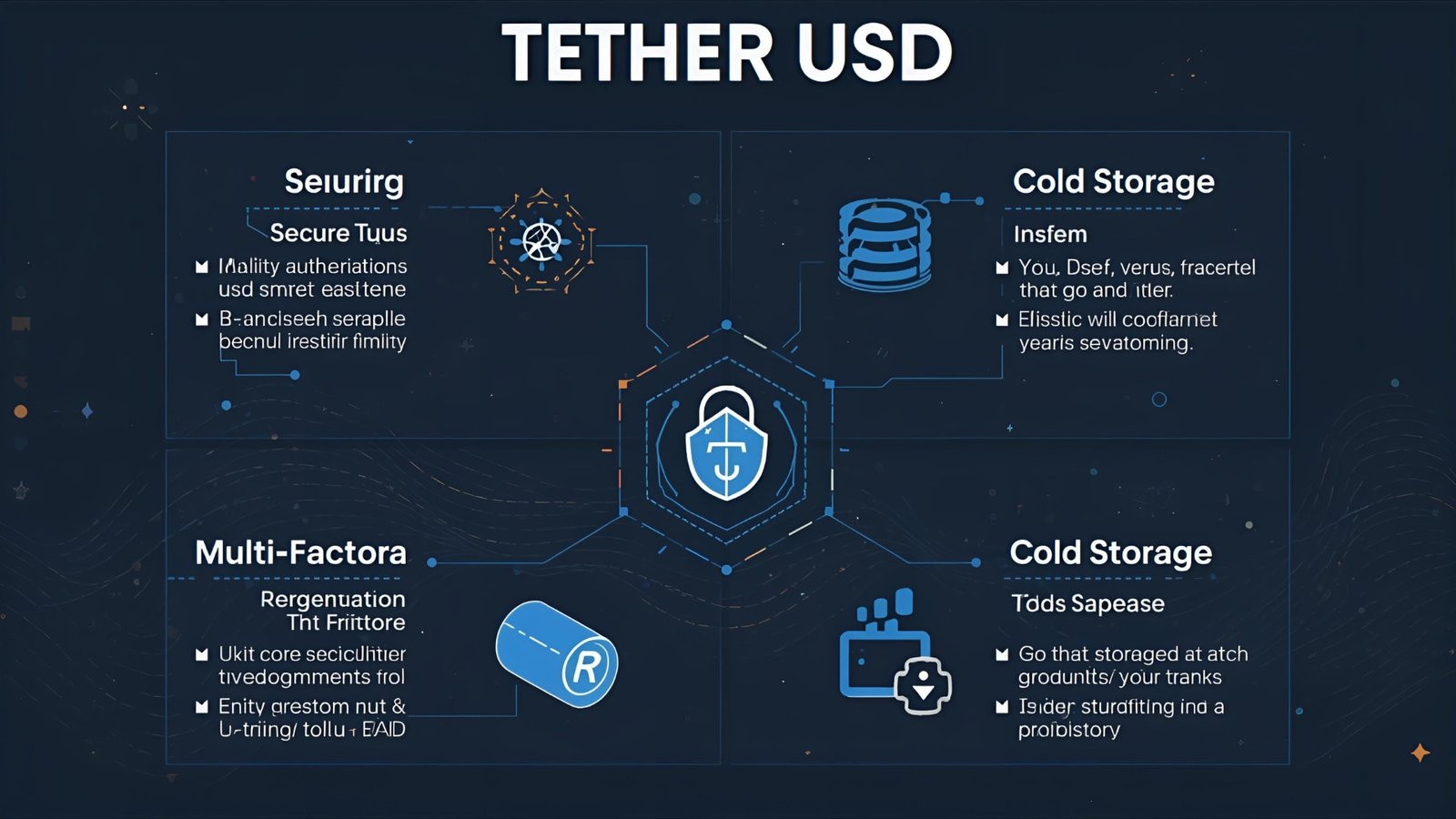
With custodial storage, the platform holds your keys. This is convenient but concentrates risk. With non-custodial wallets, you hold the keys, giving you full control but also full responsibility. Many users keep trading balances on exchanges and store longer-term Tether USD holdings in personal wallets.
Hardware and Multisig Options
For significant balances, hardware wallets provide an additional layer of offline protection. Some advanced users and teams opt for multisig setups that require multiple approvals to move Tether USD. Whatever your setup, back up seed phrases securely and never share them.
Using Tether USD in DeFi
Lending, Borrowing, and Liquidity Provision
DeFi lending protocols allow you to supply Tether USD to earn yield or borrow against it for leverage or cash flow. Liquidity pools pair Tether USD with other assets to facilitate swaps and earn fees. Always evaluate smart contract risk, oracle design, and historical performance before committing funds. Diversifying across platforms can help manage risk.
Yield, Risk, and Due Diligence
High yields can be tempting, but sustainable returns typically reflect underlying risk. Scrutinise protocol TVL, security audits, governance, collateral health, and the project’s incident history. Avoid committing more Tether USD than you can afford to have locked or exposed to technical risk.
Tether USD for Businesses and Commerce
Invoicing, Payroll, and Settlement
Businesses increasingly use Tether USD for invoicing and payroll. Paying contractors in Tether USD can reduce bank friction and reach remote talent quickly. For merchants, accepting Tether USD can expand customer reach, especially in regions where card acceptance is limited or chargebacks are a concern.
Accounting, Tax, and Compliance Considerations
Even though Tether USD aims to be price-stable, it is still a digital asset. Maintain accurate transaction records for tax and compliance purposes. Work with professionals who understand crypto accounting, especially if you’re moving significant volumes or integrating Tether USD into treasury operations.
Transparency, Attestations, and Market Confidence
Why Attestations Matter
Independent attestations of reserves help reinforce trust that Tether USD is fully backed. While attestations differ from full audits, they provide periodic snapshots of the reserve composition and overall coverage. Users watching Tether USD often monitor these disclosures to gauge resilience during market stress.
Liquidity Under Stress
In turbulent markets, demand for redemptions can surge. A robust reserve structure—featuring short-duration Treasury bills and ample cash-like instruments—supports orderly redemptions. Market participants track Tether USD’s performance during periods of volatility as an indicator of systemic health.
Practical Strategies for Using Tether USD
Keep a Stable Core, Trade Around It
For active traders, one approach is to maintain a stable Tether USD core position as a base currency. You can deploy portions of that balance into trades when opportunities arise, then rotate back to Tether USD to lock in gains or limit drawdowns. This keeps your book anchored to dollars while preserving agility.
Ladder Your Transfers Across Networks
Because Tether USD exists on multiple chains, it’s smart to match the network to the job. For large, time-sensitive transfers, choose a network with high reliability and predictable fees. For routine payments, a lower-fee chain may suffice. Always double-check deposit networks when moving Tether USD to exchanges to avoid misdirected funds.
Common Mistakes to Avoid With Tether USD
Treating Stablecoins Like a Bank Account
While Tether USD aims for stability, it is not a bank deposit and does not carry deposit insurance. Understand that your protections differ from those in traditional finance. Evaluate where your Tether USD is stored, who controls the keys, and what legal frameworks apply.
Ignoring Smart Contract and Bridge Risks
If you bridge Tether USD between chains or deposit it into smart contracts, you inherit additional layers of technical risk. Research the bridge’s track record and the contract’s audit history. Consider limiting exposure and using well-vetted pathways when interacting with new protocols.
The Future of Tether USD
Interoperability and Real-World Asset Expansion
Expect Tether USD to continue integrating across more Layer-2 networks and application ecosystems, reducing fees and improving speed. As tokenised real-world assets grow, Tether USD’s role as the stable medium of exchange in on-chain markets may deepen, linking traditional instruments with decentralised rails.
Evolving Regulation and Institutional Adoption
Regulatory clarity for stablecoins could spur greater institutional adoption. Clear rules on reserve composition, disclosures, and redemptions may help standardise expectations. If frameworks mature, Tether USD could see broader use in treasury operations, trade finance, and global settlements.
Tether USD in Emerging Markets
A Dollar Proxy Where Banking Is Limited
In regions with currency instability or capital controls, Tether USD can serve as a practical proxy for the U.S. dollar. Individuals may store value in Tether USD to mitigate local currency risk and access global commerce. Fintech startups in these markets increasingly integrate Tether USD into mobile wallets and payment rails.
Remittances and Merchant Acceptance
Migrants and remote workers can use Tether USD for remittances, sending value directly to family members who can spend or convert at local crypto outlets. Small merchants, especially online sellers, may accept Tether USD to reach international buyers, settle quickly, and avoid chargeback risk.
Security Tips for Everyday Tether USD Users
Verify Addresses and Networks
Before sending Tether USD, confirm the recipient address and blockchain. Sending Tether USD to the wrong network or to a wallet that doesn’t support it can result in permanent loss. Test with a small amount if the counterparty is new.
Watch for Phishing and Impersonators
Stablecoin users are targets for phishing. Bookmark official sites and never share seed phrases or private keys. If an offer seems too good to be true—guaranteed yields or urgent redemptions—step back and verify.
How Tether USD Fits in a Balanced Crypto Portfolio
Cash Management and Dry Powder
Holding a portion of your portfolio in Tether USD can simplify cash management. You can fund new opportunities quickly without the delay of fiat deposits. For long-term investors, Tether USD acts as the stable ballast that balances higher-volatility bets.
Risk Budgeting and Scenario Planning
Think in terms of a risk budget. Allocate Tether USD for safety and liquidity, then size riskier positions accordingly. In extreme scenarios—exchange outages, protocol exploits, market selloffs—having Tether USD ready gives you optionality and peace of mind.
Responsible Disclosure and Continuous Learning
Follow Official Updates and Attestations
Make a habit of checking issuer updates, attestation releases, exchange notices, and network status pages relevant to the chain where your Tether USD resides. Staying current improves your ability to react during busy market windows.
Learn the Tax Rules in Your Jurisdiction
Even with a stable value, Tether USD transactions can have tax implications, especially when swapping for other tokens or realising gains. Keep orderly records and consult professionals with expertise in digital assets.
Conclusion
Tether USD has become an indispensable infrastructure for crypto markets, offering a digital dollar that moves at blockchain speed. Its stability, liquidity, and ecosystem reach make it a go-to medium of exchange, settlement asset, and hedge against volatility. Yet, like any financial tool, Tether USD is not risk-free. Understanding reserve mechanics, issuer dynamics, regulatory developments, and platform risks will help you use Tether USD wisely. With sound storage practices, careful due diligence, and a clear plan for portfolio balance, Tether USD can serve as your reliable anchor in a fast-moving digital economy.
FAQs
Q: Is Tether USD always worth exactly $1.00?
Tether USD targets a $1.00 peg but can trade a bit above or below on exchanges due to supply and demand, fees, and network conditions. Over time, arbitrage and redemption mechanisms help keep the price close to a dollar.
Q: What backs Tether USD?
Tether USD is backed by reserves that include cash and cash-equivalent assets such as short-duration U.S. Treasuries. Regular attestations aim to show that reserve assets match outstanding tokens.
Q: Which network should I use to send Tether USD?
Choose based on fees, speed, and the recipient’s wallet support. Tron often has low fees; Ethereum offers deep liquidity and broad app integration. Always confirm the correct network before sending.
Q: Is holding Tether USD the same as holding cash in a bank?
No. Tether USD is a digital asset, not a bank deposit, and it isn’t insured by deposit insurance. Your protections depend on where and how you store it, the issuer’s policies, and local regulations.
Q: Can I earn yield with Tether USD?
Yes, through exchanges and DeFi platforms that let you lend or provide liquidity. Returns vary, and risks include counterparty exposure, smart contract vulnerabilities, and market volatility. Research thoroughly before committing funds.
Also Read : Buy Tether USDT Online Safe & Secure Guide 2025
