

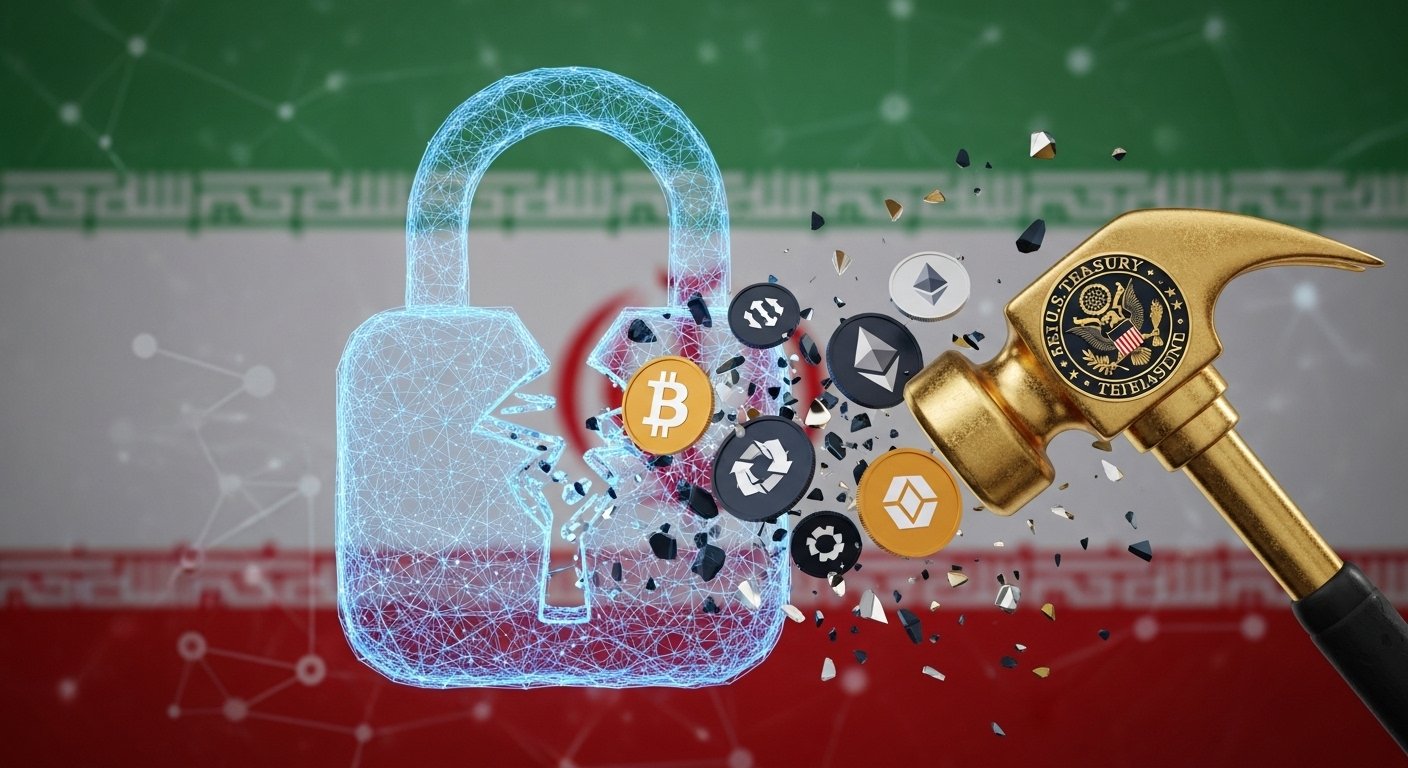
US Treasury sanctions Iran crypto exchanges became reality. This unprecedented move marks the first time the United States government has directly targeted Iranian cryptocurrency platforms, signaling a significant shift in how authorities approach digital asset enforcement. The Treasury Department’s Office of Foreign Assets Control (OFAC) announced these groundbreaking sanctions, demonstrating the growing intersection between traditional financial oversight and the decentralized world of blockchain technology. This development has sent ripples through the global cryptocurrency community, raising critical questions about the future of digital asset regulation and international financial compliance. Meet Rising Fintech Leaders and Venture Partners at MoneyLIVE
Historic Treasury Department Action
The decision by the US Treasury sanctions Iran crypto exchanges represents more than just another entry in the sanctions list. This action establishes a crucial precedent for how governments worldwide will address cryptocurrency platforms operating in jurisdictions subject to international restrictions. The Treasury Department identified these exchanges as facilitating transactions that potentially circumvent existing economic sanctions, enabling Iran to access global financial markets despite longstanding restrictions. Meet Rising Fintech Leaders and Venture Partners at MoneyLIVE
Why This Sanctions Action Matters
Previous cryptocurrency sanctions primarily focused on individual wallet addresses or specific transactions rather than entire exchange platforms. By targeting complete Iranian crypto platforms, the Treasury Department has fundamentally altered its enforcement strategy. This shift acknowledges that cryptocurrency exchanges, despite operating on decentralized networks, function as critical infrastructure that can be held accountable under existing regulatory frameworks.
The Treasury Department crypto enforcement action specifically named several exchanges allegedly operating within Iran or facilitating Iranian users’ access to global cryptocurrency markets. These platforms reportedly processed millions of dollars in transactions, providing Iranian entities with mechanisms to convert local currency into digital assets and subsequently into international currencies.
The Mechanics Behind Iran Cryptocurrency Trading Restrictions
Understanding how Iran cryptocurrency trading operates requires examining the unique challenges the country faces under international sanctions. Traditional banking channels have been severely restricted, making conventional international transactions extremely difficult for Iranian businesses and individuals. Cryptocurrency emerged as an alternative pathway, offering pseudonymous transactions that could potentially bypass traditional banking oversight. Meet Rising Fintech Leaders and Venture Partners at MoneyLIVE
How Iranian Crypto Platforms Operated
Before the US Treasury sanctions Iran crypto exchanges action, these platforms functioned similarly to exchanges in other jurisdictions but with distinct characteristics. They facilitated the conversion of Iranian rials into various cryptocurrencies, primarily Bitcoin and Ethereum. Users could then transfer these digital assets to international exchanges, convert them to other currencies, or use them for cross-border payments.
The Iranian crypto platforms developed sophisticated methods to maintain operations despite regulatory pressures. Some utilized peer-to-peer trading mechanisms, while others established partnerships with exchanges in countries with less stringent compliance requirements. This ecosystem created a shadow financial network that concerned international regulators. Meet Rising Fintech Leaders and Venture Partners at MoneyLIVE
OFAC Crypto Sanctions Implementation and Impact
The OFAC crypto sanctions framework applied to these Iranian exchanges follows established patterns used for traditional financial institutions but adapted for blockchain technology. The Office of Foreign Assets Control maintains the Specially Designated Nationals (SDN) list, which now includes these cryptocurrency exchanges alongside banks, shipping companies, and other entities.
Technical Challenges in Enforcing Blockchain Sanctions
Implementing blockchain sanctions presents unique challenges compared to traditional financial enforcement. While conventional banks operate through centralized systems that can be disconnected from international payment networks, cryptocurrency platforms operate on decentralized networks that continue functioning regardless of regulatory designations.
However, the practical impact remains significant. Once listed on the SDN list, these exchanges face severe restrictions. No US person or entity can conduct business with them, and international financial institutions risk secondary sanctions if they facilitate transactions involving these platforms. Major cryptocurrency exchanges with US operations must implement blocking controls to prevent sanctioned entities from accessing their services.
The Broader Context of Virtual Currency Regulations
This enforcement action occurs within the evolving landscape of virtual currency regulations worldwide. Governments increasingly recognize that cryptocurrency markets require specialized regulatory frameworks that address their unique characteristics while preventing illicit activities.
Global Regulatory Trends in Digital Assets
The US Treasury sanctions Iran crypto exchanges action aligns with broader international efforts to bring cryptocurrency platforms under regulatory oversight. The Financial Action Task Force (FATF) has established guidelines requiring exchanges to implement know-your-customer (KYC) and anti-money laundering (AML) procedures similar to traditional financial institutions.
Countries across Europe, Asia, and the Americas have developed varied approaches to Iran digital currency activities and cryptocurrency regulation generally. Some jurisdictions impose strict licensing requirements on exchanges, while others maintain more permissive environments. This regulatory fragmentation creates opportunities for platforms to operate in jurisdictions with minimal oversight, complicating international enforcement efforts.
Iran Digital Currency Strategy and Economic Implications
Iran’s relationship with cryptocurrency extends beyond exchange platforms. The country has explored developing its own Iran digital currency as a state-backed alternative to existing cryptocurrencies. Iranian authorities have also authorized cryptocurrency mining operations, viewing them as opportunities to monetize the country’s energy resources while generating hard currency.
The Role of Cryptocurrency in Sanctions Evasion
Analysis of Iranian crypto platforms reveals how cryptocurrency has become integrated into Iran’s sanctions evasion strategies. Beyond individual transactions, some Iranian businesses reportedly used cryptocurrency to settle international trade payments, purchase essential goods, and maintain access to global supply chains despite banking restrictions.
The US Treasury sanctions Iran crypto exchanges specifically because these platforms allegedly facilitated such activities at scale. Treasury officials indicated that sanctioned exchanges processed transactions totaling hundreds of millions of dollars annually, representing a significant sanctions evasion channel.
Cryptocurrency Sanctions Enforcement Mechanisms
Effective cryptocurrency sanctions require coordination between regulatory agencies, blockchain analytics firms, and compliant cryptocurrency exchanges. The Treasury Department works with specialized companies that analyze blockchain transactions to identify patterns associated with sanctioned entities.
Technology Behind Sanctions Compliance
Modern blockchain analytics tools can trace cryptocurrency movements across multiple wallets and exchanges, identifying clusters of activity associated with specific entities. When the US Treasury sanctions Iran crypto exchanges, these tools help compliant platforms identify and block transactions involving sanctioned addresses.
However, sophisticated actors employ various techniques to obscure transaction origins. They may use mixing services, privacy-focused cryptocurrencies, or complex transaction patterns designed to break the chain of analysis. This ongoing cat-and-mouse dynamic between enforcement and evasion continues to evolve.
International Cooperation in Digital Asset Enforcement
The effectiveness of Treasury Department crypto enforcement depends significantly on international cooperation. Cryptocurrency transactions cross borders seamlessly, requiring coordination among regulatory agencies worldwide to achieve meaningful impact.
Challenges in Global Enforcement Coordination
Different countries maintain varying relationships with Iran and divergent approaches to cryptocurrency regulation. Some nations support US sanctions policies and implement complementary restrictions, while others maintain more independent positions. This fragmentation limits the global impact of any single jurisdiction’s enforcement actions.
Nevertheless, the US Treasury sanctions Iran crypto exchanges action sends a clear message to the international cryptocurrency community about compliance expectations. Major exchanges operating globally typically align their policies with US regulations to maintain access to American markets and banking relationships.
Impact on the Cryptocurrency Industry
The announcement that US Treasury sanctions Iran crypto exchanges has reverberated throughout the cryptocurrency industry, prompting exchanges worldwide to review their compliance procedures and geographic restrictions.
Compliance Costs and Operational Changes
Cryptocurrency platforms now face increased pressure to implement robust sanctions screening programs. This includes sophisticated blockchain monitoring tools, enhanced customer verification procedures, and regular audits of transaction patterns. These compliance measures represent significant operational costs, particularly for smaller exchanges.
The virtual currency regulations landscape continues becoming more complex, with exchanges needing to navigate requirements from multiple jurisdictions simultaneously. Platforms serving international customers must balance compliance with various national regulations while maintaining competitive services.
Future Implications for Cryptocurrency Regulation
The decision to impose OFAC crypto sanctions on Iranian exchanges likely represents the beginning of more aggressive cryptocurrency enforcement rather than an isolated action. Regulatory agencies worldwide are developing increasingly sophisticated approaches to digital asset oversight.
Anticipated Regulatory Developments
Experts predict that blockchain sanctions will become more common as governments refine their technical capabilities and legal frameworks. Future actions may target cryptocurrency platforms in other sanctioned jurisdictions or expand to address different categories of illicit activity.
The cryptocurrency sanctions framework will likely evolve to address emerging technologies like decentralized finance (DeFi) platforms and non-custodial services that currently operate with minimal regulatory oversight. Regulators face the challenge of developing effective controls without stifling legitimate innovation.
Technical Aspects of Sanctions Implementation
Understanding how US Treasury sanctions Iran crypto exchanges actually function requires examining the technical implementation process. When OFAC designates an entity, it publishes specific identifying information including wallet addresses, domain names, and known aliases.
Blockchain Address Monitoring
Compliant cryptocurrency exchanges implement automated systems that screen transactions against OFAC lists in real-time. When users attempt to send cryptocurrency to or receive funds from sanctioned addresses, these systems automatically block the transactions. The Iranian crypto platforms now appear on these screening lists, preventing direct interaction with compliant exchanges.
However, blockchain’s pseudonymous nature allows sanctioned entities to create new addresses not yet identified by regulators. This requires continuous monitoring and intelligence gathering to identify addresses controlled by sanctioned platforms, creating an ongoing compliance challenge.
Economic Consequences for Iran
The Iran cryptocurrency trading ecosystem faces significant disruption from these sanctions. While cryptocurrency was never Iran’s primary sanctions evasion mechanism, it represented an important component of the country’s financial toolkit.
Reduced Access to Global Markets
Iranian users now face greater difficulty accessing international cryptocurrency markets. Major exchanges have implemented geographic restrictions and enhanced verification procedures that make it harder for Iranian residents to create accounts or conduct transactions. The US Treasury sanctions Iran crypto exchanges effectively narrows the pathways available for Iranians to participate in global cryptocurrency markets.
This restriction extends beyond simple inconvenience. For Iranian businesses attempting to conduct legitimate international trade, cryptocurrency represented one of few available payment mechanisms. The sanctions further isolate Iran’s economy from global commerce.
Legal and Jurisdictional Considerations
The application of Treasury Department crypto enforcement to platforms potentially operating outside US jurisdiction raises complex legal questions. The United States asserts extraterritorial authority over transactions involving US persons or using US financial infrastructure.
International Law and Sanctions Authority
Critics question whether the US possesses legitimate authority to sanction exchanges operating entirely outside American jurisdiction. However, the practical reality remains that entities seeking access to US markets or dollar-denominated transactions must comply with American sanctions regardless of their physical location.
The OFAC crypto sanctions framework relies on this economic leverage. Even platforms without direct US operations typically maintain correspondent banking relationships or partnerships that connect to the American financial system, creating vulnerability to sanctions pressure.
Privacy Concerns and Civil Liberties
The expansion of cryptocurrency sanctions to entire platforms raises questions about privacy rights and financial access. Critics argue that blanket restrictions on exchanges may prevent legitimate users from accessing financial services.
Balancing Security and Individual Rights
While preventing sanctions evasion represents a legitimate government objective, the methods used to achieve this goal can impact ordinary citizens. The US Treasury sanctions Iran crypto exchanges potentially restricts financial access for Iranians who are not involved in sanctioned activities but have limited alternative banking options.
This tension between national security objectives and individual financial rights continues to generate debate. Advocacy groups argue for more targeted approaches that focus on specific transactions or individuals rather than broad platform restrictions.
Industry Response and Compliance Measures
Following the announcement that US Treasury sanctions Iran crypto exchanges, major cryptocurrency platforms announced enhanced compliance measures. Leading exchanges published statements affirming their commitment to sanctions compliance and describing upgraded screening technologies.
Best Practices Development
The cryptocurrency industry is developing standardized best practices for sanctions compliance. Trade associations work with regulators to establish clear guidelines that exchanges can implement consistently. These efforts aim to create a compliance framework that effectively addresses regulatory concerns while maintaining operational feasibility.
The evolution of virtual currency regulations increasingly resembles traditional financial services compliance, with cryptocurrency platforms adopting similar risk management frameworks, compliance personnel, and audit procedures.
Technological Innovation in Sanctions Evasion
Despite blockchain sanctions, determined actors continue developing new techniques to circumvent restrictions. Understanding these methods helps regulators anticipate future challenges and develop appropriate responses.
Emerging Evasion Techniques
Sanctioned entities explore various strategies including privacy-focused cryptocurrencies that obscure transaction details, decentralized exchanges that operate without central operators, and cross-chain bridges that move assets between different blockchain networks. Each innovation presents new challenges for enforcement.
The Iran digital currency ecosystem has demonstrated particular sophistication in adapting to regulatory pressures. Platforms allegedly affiliated with sanctioned exchanges have emerged under different names, while peer-to-peer trading networks operate with minimal infrastructure that’s difficult to target.
Conclusion
The historic decision to implement US Treasury sanctions Iran crypto exchanges marks a watershed moment in cryptocurrency regulation. This action demonstrates that digital assets, despite their technological sophistication and decentralized architecture, remain subject to traditional regulatory oversight when they interface with the global financial system.
As cryptocurrency sanctions become more common, the industry faces a critical juncture. Platforms must choose between implementing robust compliance measures that align with international regulatory expectations or operating in increasingly isolated markets with limited access to mainstream financial infrastructure. The Treasury Department crypto enforcement capabilities will continue advancing, making evasion progressively more difficult.
For businesses operating in the cryptocurrency space, the message is clear: compliance with sanctions regulations is not optional. Whether you’re running a major international exchange or developing innovative blockchain applications, understanding and implementing appropriate OFAC crypto sanctions screening represents a fundamental operational requirement.
The US Treasury sanctions Iran crypto exchanges for the first time, but certainly not the last. As regulatory frameworks mature and enforcement capabilities expand, expect more aggressive actions targeting cryptocurrency platforms that facilitate sanctions evasion or other illicit activities. The future of cryptocurrency depends on the industry’s ability to balance innovation with responsible compliance, ensuring that digital assets serve legitimate purposes while preventing misuse.
Are you operating a cryptocurrency platform or developing blockchain applications? Now is the time to review your compliance procedures and ensure alignment with evolving virtual currency regulations. The regulatory landscape will only become more complex, and proactive compliance represents the best strategy for long-term success in this dynamic industry.
