

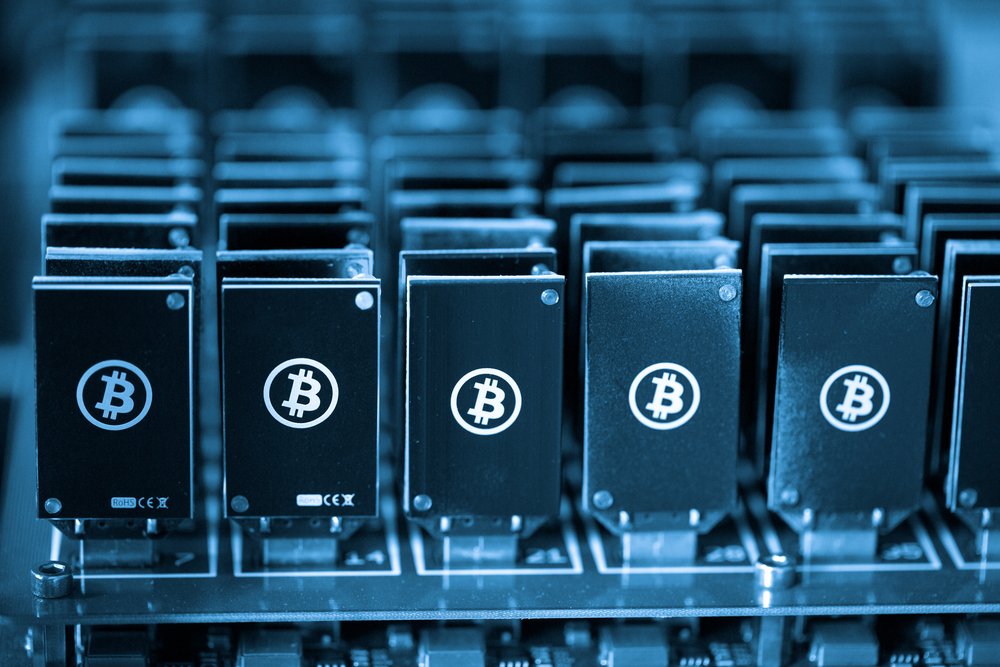
Building your first Bitcoin mining rig can seem overwhelming, but with the right Bitcoin mining rig setup guide, you’ll be mining cryptocurrency profitably in no time. Whether you’re a complete beginner or looking to optimize your existing setup, this comprehensive guide covers everything from selecting the best hardware to configuring your mining software for maximum efficiency.
The cryptocurrency mining landscape has evolved dramatically since Bitcoin’s early days. Today’s miners need specialized equipment, strategic planning, and technical knowledge to remain competitive. This Bitcoin mining rig setup guide will walk you through every essential step, helping you avoid costly mistakes and maximize your mining returns from day one.
Setting up a successful mining operation requires careful consideration of hardware selection, power consumption, cooling solutions, and ongoing maintenance. With Bitcoin’s current market value and mining difficulty, having an optimized rig setup is crucial for profitability.
Bitcoin Mining Hardware Requirements
Before diving into your Bitcoin mining rig setup guide, it’s essential to the hardware landscape. Modern Bitcoin mining relies exclusively on Application-Specific Integrated Circuits (ASICs), which are purpose-built devices designed specifically for cryptocurrency mining.
ASIC Miners: The Foundation of Your Setup
ASIC miners have completely replaced traditional GPU mining for Bitcoin due to their superior hash rates and energy efficiency. Popular models include the Antminer S19 series, MicroBT WhatsMiner M50 series, and newer releases that offer improved performance per watt.
When selecting ASIC miners for your setup, consider these critical factors:
Hash Rate Performance: Modern ASIC miners typically offer hash rates ranging from 90 TH/s to over 200 TH/s. Higher hash rates increase your chances of mining blocks and earning rewards, but they also consume more electricity.
Power Consumption: Energy efficiency is paramount in mining profitability. Look for miners with the best hash rate to power consumption ratios, typically measured in watts per terahash (W/TH).
Initial Investment Cost: ASIC miners represent a significant upfront investment, ranging from $2,000 to $15,000 per unit depending on performance and market conditions.
Manufacturer Reputation: Stick with established manufacturers like Bitmain, MicroBT, and Canaan for reliability and warranty support.
Power Supply Units and Electrical Infrastructure
Your Bitcoin mining rig setup requires robust electrical infrastructure to handle the substantial power demands of ASIC miners. Most modern miners require 220V power supplies for optimal efficiency.
Calculating Power Requirements: Each ASIC miner typically consumes between 3,000 to 5,000 watts. Multiply this by the number of units you plan to operate, then add 20% overhead for power supply inefficiency and future expansion.
Electrical Safety Considerations: Consult with a qualified electrician to ensure your electrical panel can handle the additional load. You may need to upgrade your service panel or install dedicated circuits for your mining operation.
Power Supply Selection: Use only manufacturer-recommended power supplies or high-quality alternatives from reputable brands. Never compromise on power supply quality, as failures can damage expensive mining equipment.
Essential Components for Your Bitcoin Mining Rig Setup Guide
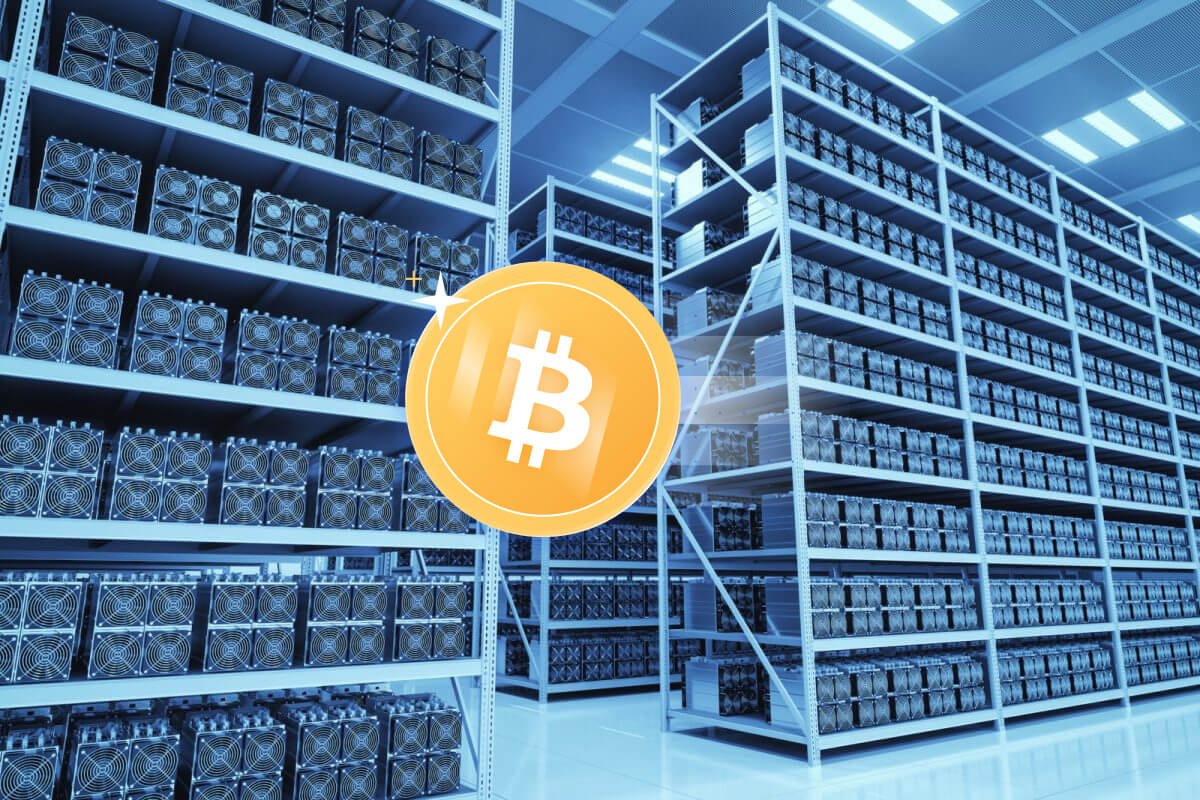
Beyond the ASIC miners themselves, several supporting components are crucial for a successful mining operation.
Cooling and Ventilation Systems
Effective cooling is critical for maintaining optimal performance and extending the lifespan of your mining equipment. ASIC miners generate substantial heat and require aggressive cooling solutions.
Air Cooling Solutions: Most home mining setups rely on air cooling with powerful exhaust fans. Position miners in well-ventilated areas with intake and exhaust fans creating positive airflow.
Ambient Temperature Control: Maintain ambient temperatures below 35°C (95°F) for optimal miner performance. Higher temperatures reduce hash rates and increase the risk of hardware failure.
Noise Considerations: ASIC miners are extremely loud, often exceeding 80 decibels. Consider soundproofing materials or dedicated mining spaces away from living areas.
Network Infrastructure and Connectivity
Reliable internet connectivity is essential for your mining rig to communicate with mining pools and the Bitcoin network.
Internet Speed Requirements: Mining operations require minimal bandwidth but need consistent, low-latency connections. A standard broadband connection is sufficient for most home mining setups.
Network Security: Implement proper network security measures including firewalls, regular firmware updates, and secure password policies. Mining rigs can be targets for hackers attempting to steal cryptocurrency or hijack mining power.
Backup Connectivity: Consider redundant internet connections for commercial operations to minimize downtime and lost mining revenue.
Step-by-Step Bitcoin Mining Rig Setup Process
Now let’s walk through the actual setup process for your Bitcoin mining operation.
Phase 1: Site Preparation and Infrastructure Setup
Location Selection: Choose a location with adequate ventilation, electrical capacity, and minimal noise restrictions. Basements, garages, and dedicated outbuildings are popular choices for home miners.
Electrical Installation: Install appropriate electrical circuits and outlets for your planned mining capacity. This typically includes 220V outlets with appropriate amperage ratings for your specific miners.
Ventilation Planning: Design airflow patterns that efficiently remove hot air from miners while bringing in cool ambient air. Use industrial-grade exhaust fans rated for continuous operation.
Phase 2: Hardware Installation and Configuration
Unboxing and Initial Inspection: Carefully inspect all mining equipment upon arrival. Document any damage and test units before the warranty period expires.
Physical Setup: Position miners on stable shelving or mining racks with adequate spacing for airflow. Avoid stacking miners directly on top of each other without proper ventilation gaps.
Power Connections: Connect power supplies following manufacturer specifications. Use appropriate gauge wiring and ensure all connections are secure to prevent fires or equipment damage.
Network Configuration: Connect miners to your network using ethernet cables. Configure static IP addresses for easier management and monitoring.
Phase 3: Software Configuration and Pool Setup
Firmware Updates: Ensure all miners are running the latest firmware versions for optimal performance and security.
Mining Pool Selection: Choose reputable mining pools with low fees, reliable payouts, and good uptime records. Popular options include F2Pool, Antpool, and Slush Pool.
Wallet Configuration: Set up secure Bitcoin wallets for receiving mining rewards. Consider using hardware wallets for enhanced security.
Monitoring Setup: Implement monitoring solutions to track miner performance, temperature, and hash rates. Many miners include web interfaces for basic monitoring.
Optimizing Your Bitcoin Mining Rig Performance
Once your basic setup is complete, optimization becomes crucial for maximizing profitability and minimizing operational issues.
Hash Rate Optimization Techniques
Firmware Tuning: Advanced users can install custom firmware like BraiinsOS+ to optimize hash rates and power consumption beyond stock settings.
Undervolting and Overclocking: Careful adjustment of voltage and frequency settings can improve efficiency, but requires technical expertise and voids warranties.
Temperature Management: Maintaining optimal operating temperatures directly impacts hash rate performance. Monitor chip temperatures and adjust cooling as needed.
Power Efficiency Improvements
Time-of-Use Electricity Rates: If available in your area, schedule intensive mining during off-peak electricity hours to reduce operational costs.
Power Factor Correction: Some operations benefit from power factor correction equipment to improve electrical efficiency and reduce utility costs.
Load Balancing: Distribute electrical loads evenly across available circuits to prevent overloading and maximize system stability.
Maintenance and Monitoring Protocols
Regular Cleaning: Dust accumulation reduces cooling efficiency and can cause hardware failures. Establish regular cleaning schedules for miners and cooling equipment.
Performance Monitoring: Track key metrics including hash rate, rejected shares, temperature, and power consumption. Set up alerts for abnormal conditions.
Preventive Maintenance: Replace fans proactively, update firmware regularly, and inspect electrical connections for signs of wear or corrosion.
Advanced Bitcoin Mining Rig Configurations
For serious miners looking to scale their operations, advanced configurations offer improved efficiency and profitability.
Industrial-Scale Considerations
Immersion Cooling Systems: Large operations increasingly use immersion cooling with dielectric fluids for superior heat dissipation and noise reduction.
Container-Based Solutions: Shipping container mining facilities offer scalable, relocatable mining infrastructure with integrated cooling and power systems.
Renewable Energy Integration: Solar panels, wind turbines, and hydroelectric systems can significantly reduce operational costs for larger mining operations.
Automation and Remote Management
Remote Monitoring Systems: Professional mining operations use sophisticated monitoring platforms that provide real-time alerts and performance analytics.
Automated Restart Systems: Power cycling systems can automatically restart frozen or unresponsive miners without manual intervention.
Environmental Controls: Automated temperature and humidity control systems optimize mining conditions while minimizing energy consumption.
Common Mistakes to Avoid in Bitcoin Mining Rig Setup
Learning from common mistakes can save significant time, money, and frustration in your mining journey.
Electrical and Safety Oversights
Inadequate Electrical Capacity: Many beginners underestimate power requirements and face costly electrical upgrades after purchasing mining equipment.
Poor Grounding Practices: Proper electrical grounding is essential for safety and equipment protection. Never skip grounding requirements to save money.
Fire Safety Neglect: Mining operations pose fire risks due to high power consumption and heat generation. Install appropriate fire suppression and detection systems.
Cooling and Ventilation Errors
Insufficient Airflow: Inadequate cooling leads to thermal throttling, reduced hash rates, and premature equipment failure.
Recirculating Hot Air: Poor ventilation design can create hot spots where exhaust air is pulled back into miner intakes.
Seasonal Planning Oversights: Many miners fail to consider how changing ambient temperatures affect cooling requirements throughout the year.
Financial and Operational Planning Mistakes

Ignoring Electricity Costs: Mining profitability depends heavily on electricity rates. Calculate break-even points before investing in equipment.
Overlooking Maintenance Costs: Factor in ongoing expenses for replacement fans, cleaning supplies, and potential repairs when calculating profitability.
Inadequate Insurance Coverage: Protect your investment with appropriate insurance coverage for equipment damage, fire, and theft.
Legal and Regulatory Considerations
Bitcoin mining legality and regulations vary by jurisdiction and continue to evolving rapidly.
Regulatory Compliance
Local Zoning Laws: Verify that residential mining operations comply with local noise ordinances and zoning restrictions.
Business Licensing: Commercial mining operations may require specific business licenses and permits depending on scale and location.
Environmental Regulations: Large-scale operations may face environmental impact assessments and carbon footprint reporting requirements.
Tax Implications
Mining Income Reporting: Most jurisdictions treat mined cryptocurrency as taxable income at fair market value when received.
Equipment Depreciation: Mining hardware may qualify for business equipment depreciation deductions over specified time periods.
Professional Tax Guidance: Consult with tax professionals familiar with cryptocurrency taxation to ensure proper compliance and optimization.
Future-Proofing Your Bitcoin Mining Investment
The mining landscape continues evolving rapidly, making future-proofing considerations essential for long-term success.
Technology Evolution Trends
Efficiency Improvements: Next-generation ASIC miners continue improving performance per watt, making older equipment less competitive over time.
Alternative Consensus Mechanisms: While Bitcoin will likely remain proof-of-work based, how industry trends might affect long-term mining viability.
Integration Opportunities: Consider how your mining operation might integrate with other cryptocurrency-related business activities.
Scalability Planning
Modular Expansion: Design initial setups with expansion capabilities to add capacity as profitability and experience grow.
Infrastructure Flexibility: Plan electrical and cooling systems with headroom for future equipment upgrades and additions.
Exit Strategies: Develop plans for equipment liquidation or operation cessation if mining becomes unprofitable in your circumstances.
Conclusion
Setting up a successful Bitcoin mining rig requires careful planning, quality hardware selection, and ongoing optimization efforts. This comprehensive Bitcoin mining rig setup guide has covered every essential aspect from initial equipment selection through advanced optimization techniques.
Remember that mining profitability fluctuates with Bitcoin prices, network difficulty, and electricity costs. Success requires not just technical knowledge but also business acumen and risk management skills.
Ready to start your Bitcoin mining journey? Begin by calculating your local electricity costs and researching current ASIC miner prices. Use this Bitcoin mining rig setup guide as your roadmap, but don’t hesitate to start small and scale up as you gain experience and confidence.
The world of cryptocurrency mining offers exciting opportunities for those willing to invest the time and resources necessary for success. Take the first step today and join the global network securing the Bitcoin blockchain while potentially earning substantial returns on your investment.
See more: Bitcoin Mining Rig Setup Guide Build Your Profitable Farm
