

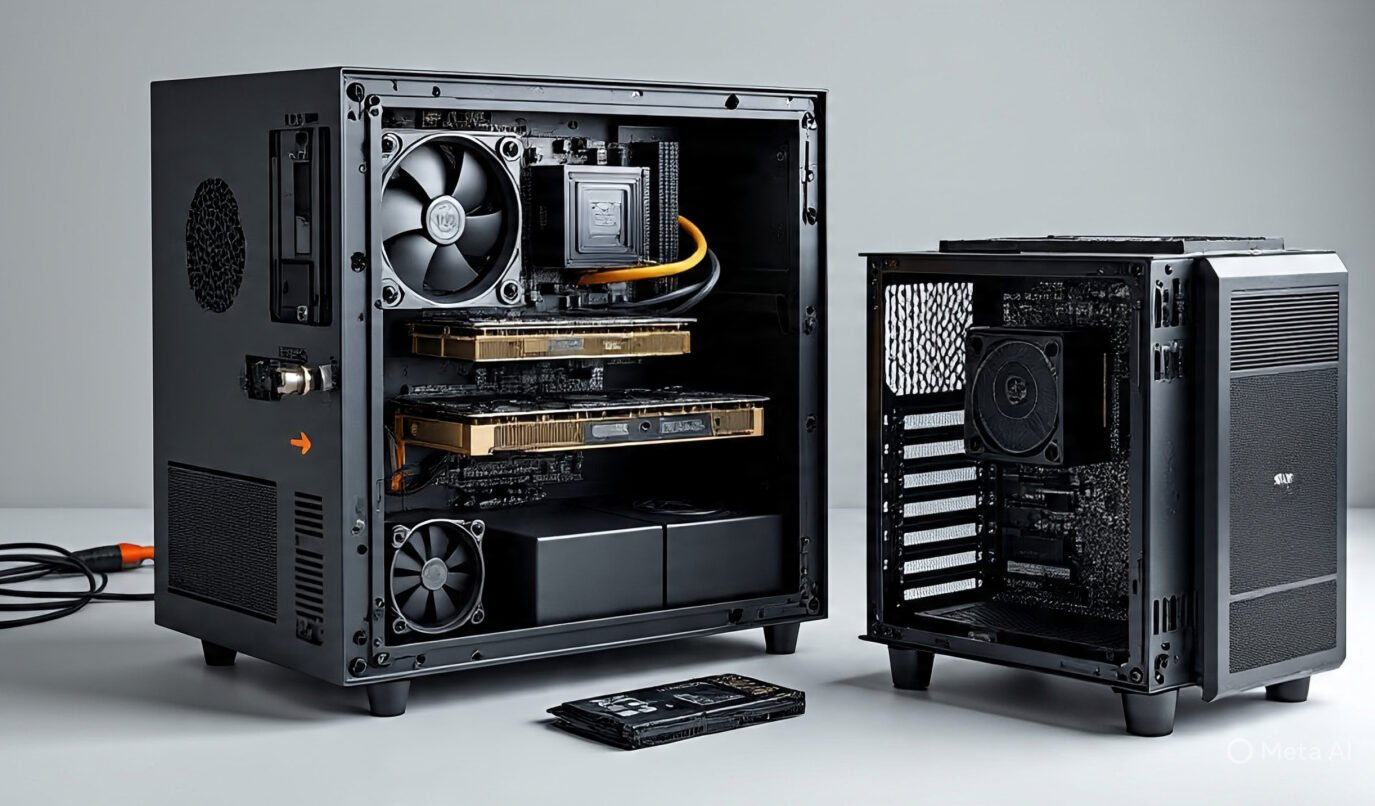
Building a profitable Bitcoin mining rig setup guide has become increasingly important as cryptocurrency adoption continues to surge in 2025. Whether you’re a complete beginner looking to enter the world of cryptocurrency mining or an experienced investor seeking to expand your operations, understanding the fundamentals of assembling a proper mining rig is crucial for success. The process involves careful selection of hardware components, proper configuration, and ongoing optimization to maximize your return on investment. With Bitcoin’s value remaining strong and mining difficulty constantly evolving, having the right Bitcoin mining rig setup guide can mean the difference between profitable operations and costly mistakes that drain your resources.
Essential Components for Your Bitcoin Mining Rig
ASIC Miners: The Heart of Your Operation
When setting up a Bitcoin mining rig, ASIC (Application-Specific Integrated Circuit) miners are the cornerstone of your operation. Unlike traditional GPU mining setups used for other cryptocurrencies, Bitcoin mining requires specialized hardware designed specifically for the SHA-256 algorithm.
The most popular ASIC miners in 2025 include the Antminer S19 series, MicroBT Whatsminer M30S+, and the newer generation Antminer S21 series. These machines offer hash rates ranging from 90 TH/s to over 200 TH/s, with power consumption varying between 3000W to 3500W per unit.
When selecting your ASIC miner, consider factors such as:
- Hash rate performance
- Power efficiency (J/TH ratio)
- Initial purchase cost
- Availability and shipping times
- Manufacturer warranty and support
Power Supply Units and Electrical Infrastructure
A reliable power supply system is critical for your Bitcoin mining rig setup. Most ASIC miners require dedicated PSUs (Power Supply Units) that can handle their high power demands consistently. Calculate your total power requirements by multiplying the number of miners by their individual power consumption, then add a 20% safety margin.
Your electrical infrastructure should include:
- Adequate circuit breakers rated for mining load
- Proper wiring gauge to handle amperage safely
- Grounding systems for electrical safety
- Power monitoring equipment to track consumption
- Backup power solutions for critical operations
Cooling and Ventilation Systems
Effective cooling is essential for maintaining optimal performance and extending the lifespan of your mining equipment. ASIC miners generate significant heat, and without proper ventilation, they can overheat and reduce hash rates or suffer permanent damage.
Consider these cooling solutions:
- Industrial-grade exhaust fans
- Intake fans for fresh air circulation
- Air conditioning systems for climate control
- Heat exchangers for efficient heat removal
- Temperature monitoring systems
Step-by-Step Bitcoin Mining Rig Setup Process
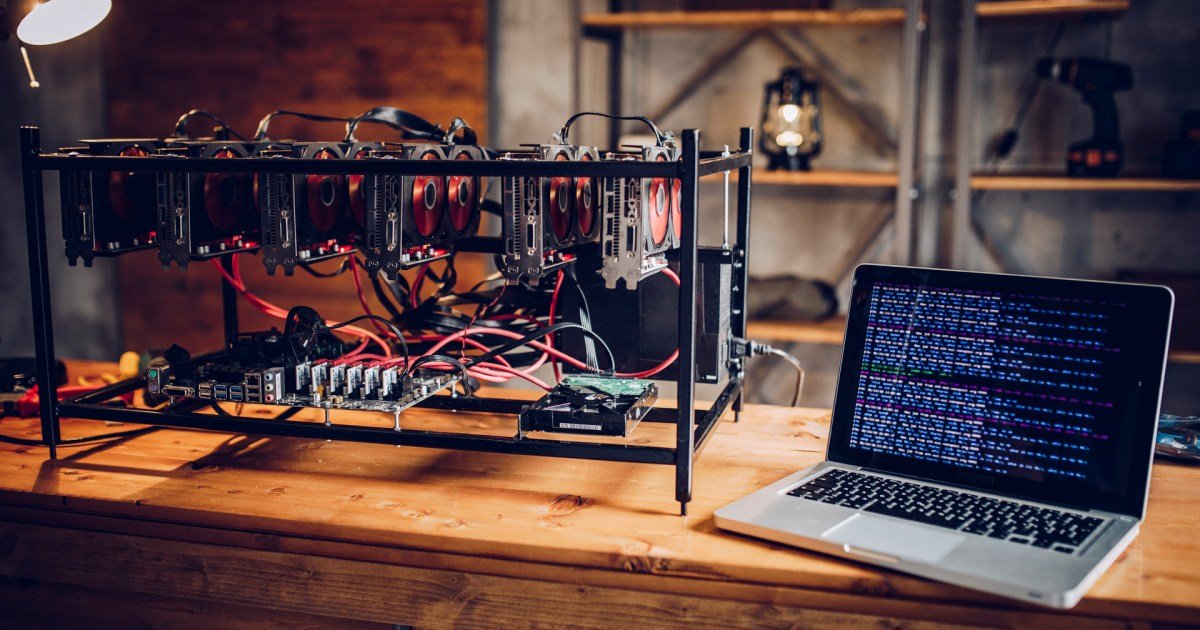
Phase 1: Planning and Preparation
Before purchasing any equipment, conduct thorough research on electricity costs in your area, local regulations regarding cryptocurrency mining, and space requirements for your operation. Calculate potential profitability using online mining calculators that factor in hash rate, power consumption, electricity costs, and current Bitcoin difficulty.
Create a detailed floor plan showing:
- Equipment placement and spacing
- Electrical outlet locations
- Ventilation pathways
- Cable routing plans
- Safety equipment positioning
Phase 2: Hardware Installation and Configuration
Begin by setting up your electrical infrastructure, ensuring all circuits can handle the planned load safely. Install your ASIC miners in a well-ventilated area with adequate spacing between units for proper airflow.
Connect each miner to its dedicated power supply, then establish network connections using Ethernet cables. Most modern ASIC miners feature web-based interfaces accessible through your local network, making initial configuration straightforward.
Key configuration steps include:
- Setting up mining pool connections
- Configuring worker names and passwords
- Adjusting fan speeds and temperature thresholds
- Implementing firmware updates if available
- Testing hash rate stability and error rates
Phase 3: Network and Pool Configuration
Select a reputable mining pool that offers competitive fees, reliable uptime, and transparent payout structures. Popular Bitcoin mining pools include Antpool, F2Pool, SlushPool, and ViaBTC. Each pool has different fee structures, minimum payout thresholds, and geographic server locations that can impact your mining efficiency.
Configure your miners to connect to multiple pools as backups, ensuring continuous operation even if your primary pool experiences downtime. Set up monitoring tools to track your hash rate contribution, share acceptance rates, and estimated earnings.
Optimizing Your Mining Operation for Maximum Profitability
Performance Monitoring and Maintenance
Regular monitoring is crucial for maintaining optimal performance and identifying potential issues before they impact profitability. Implement comprehensive monitoring systems that track:
- Hash rate performance across all miners
- Temperature readings and cooling system efficiency
- Power consumption and electrical costs
- Pool connectivity and share acceptance rates
- Hardware error rates and downtime incidents
Schedule regular maintenance including:
- Cleaning dust from miners and cooling systems
- Checking electrical connections for heat damage
- Updating firmware when new versions are available
- Replacing worn components before failure occurs
- Calibrating temperature sensors and monitoring equipment
Energy Efficiency Optimization
Power costs typically represent 60-70% of mining operational expenses, making energy efficiency optimization critical for profitability. Consider implementing:
- Time-of-use electricity rate optimization
- Renewable energy sources like solar or wind power
- Heat recovery systems for space heating or other applications
- Power factor correction to reduce electrical penalties
- Load balancing to maximize electrical system efficiency
Advanced Configuration Techniques
Fine-tune your mining operation through advanced configuration options:
- Undervolting to reduce power consumption while maintaining hash rates
- Custom fan curves to balance cooling and noise levels
- Frequency adjustments to optimize performance per watt
- Strategic overclocking during cooler periods
- Automated switching between mining pools based on profitability
Legal Considerations and Compliance

Understanding Local Regulations
Bitcoin mining regulations vary significantly by jurisdiction, and compliance is essential for sustainable operations. Research local laws regarding:
- Cryptocurrency mining legality
- Business registration requirements
- Tax obligations for mining income
- Environmental regulations and permits
- Electrical safety codes and inspections
Tax Planning and Record Keeping
Maintain detailed records of all mining-related expenses and income for tax purposes. Track:
- Equipment purchases and depreciation schedules
- Electricity costs and usage patterns
- Mining pool payouts and Bitcoin prices
- Maintenance expenses and equipment repairs
- Business insurance and licensing fees
Troubleshooting Common Setup Issues
Hardware Problems and Solutions
Common hardware issues include overheating, network connectivity problems, and power supply failures. Develop troubleshooting protocols for:
- High temperature alarms and thermal shutdowns
- Hash rate drops or instability
- Network connection timeouts
- Power supply unit failures
- Fan malfunctions and replacement procedures
Software Configuration Challenges
Mining software configuration can present challenges for newcomers. Common issues include:
- Incorrect pool server addresses or ports
- Authentication failures with worker credentials
- Firmware compatibility problems
- Network firewall blocking mining traffic
- Difficulty adjusting optimization settings
Scaling Your Mining Operation
Expansion Planning
As your mining operation becomes profitable, consider expansion strategies that maintain efficiency while increasing capacity. Factors to evaluate include:
- Available electrical capacity for additional miners
- Cooling system scalability and upgrade paths
- Network infrastructure bandwidth requirements
- Physical space limitations and facility expansion
- Return on investment calculations for new equipment
Infrastructure Upgrades
Scaling operations may require significant infrastructure improvements:
- Three-phase electrical service installations
- Industrial cooling system upgrades
- Dedicated internet connections for reliability
- Professional monitoring and control systems
- Fire suppression and security systems
Conclusion
Setting up a profitable Bitcoin mining rig requires careful planning, significant investment, and ongoing optimization efforts. This comprehensive Bitcoin mining rig setup guide provides the foundation for building a successful mining operation, but success ultimately depends on your dedication to continuous learning and adaptation to changing market conditions.
Ready to start your Bitcoin mining journey? Begin by calculating your potential profitability using current electricity rates and equipment costs, then gradually scale your operation as you gain experience and confidence. Remember that successful mining operations require both technical expertise and business acumen to navigate the evolving cryptocurrency landscape effectively.
Se Mor:Bitcoin Mining Rig Setup Guide 2025 Complete Tutorial
