

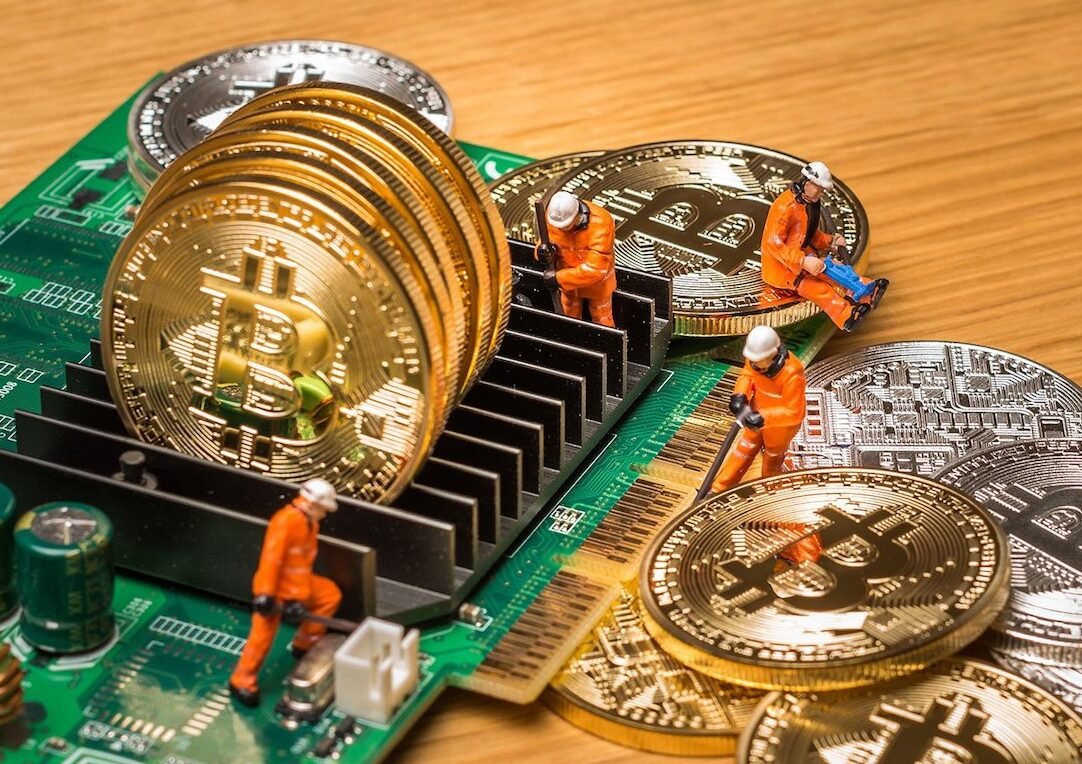
Are you considering diving into cryptocurrency mining from the comfort of your home? Understanding the home bitcoin mining setup cost is crucial before making this significant investment. With Bitcoin’s continued growth and evolving mining landscape, many enthusiasts are exploring home mining as a potential income stream. However, the initial investment and ongoing expenses can vary dramatically based on your approach, equipment choices, and local conditions. This comprehensive guide breaks down every aspect of setting up a profitable home Bitcoin mining operation, from hardware costs to electricity expenses, helping you make an informed decision about whether home mining aligns with your financial goals and technical capabilities.
Understanding Bitcoin Mining Hardware Costs
The foundation of any home Bitcoin mining operation lies in selecting the right hardware. ASIC (Application-Specific Integrated Circuit) miners have become the industry standard due to their superior efficiency compared to traditional GPU mining setups.
Popular ASIC Miners and Their Costs
Current market leaders include the Antminer S19 series, ranging from $2,000 to $8,000 depending on the model and hash rate. The Whatsminer M30S+ offers another reliable option, typically priced between $1,500 and $4,000. These prices fluctuate based on market demand, Bitcoin’s price, and manufacturer availability.
Additional Hardware Requirements
Beyond the main mining unit, your home bitcoin mining setup cost must account for supporting equipment. Power supply units (PSUs) can add $200-500 to your budget, while proper cooling systems may require an additional $300-800 investment. Networking equipment, cables, and monitoring tools typically add another $100-300 to the total cost.
Electricity Costs: The Ongoing Expense
Electricity consumption represents the most significant ongoing expense in home Bitcoin mining. Modern ASIC miners consume between 1,000-3,500 watts continuously, translating to substantial monthly electricity bills.

Calculating Your Power Costs
To determine your electricity expenses, multiply your miner’s wattage by 24 hours, then by 30 days, and finally by your local electricity rate per kWh. For example, an Antminer S19 Pro consuming 3,250 watts at $0.10/kWh costs approximately $234 monthly in electricity alone.
Optimizing Energy Efficiency
Consider time-of-use electricity rates, solar panel installations, or relocating to areas with cheaper electricity. Some miners achieve profitability by mining only during off-peak hours when electricity rates are lowest.
Home Bitcoin Mining Setup Cost Breakdown
Let’s examine a realistic cost breakdown for a modest home mining operation:
Initial Investment Components
Hardware costs typically range from $3,000-15,000 for a basic setup. This includes one or two ASIC miners, power supplies, cooling solutions, and necessary accessories. Infrastructure modifications may require $500-2,000 for electrical upgrades, ventilation improvements, and noise reduction measures.
Monthly Operating Expenses
Electricity costs dominate ongoing expenses, typically ranging from $150-600 monthly depending on your hardware and local rates. Internet connectivity, maintenance supplies, and potential pool fees add another $20-50 monthly.
Profitability Analysis and ROI Considerations
Understanding profitability requires analyzing multiple variables beyond initial setup costs. Bitcoin’s price volatility, network difficulty adjustments, and equipment depreciation all impact your return on investment.
Break-Even Calculations
Most home miners achieve break-even within 12-24 months under favorable conditions. This timeline assumes stable Bitcoin prices, consistent network difficulty, and efficient operation. However, market volatility can significantly impact these projections.
Risk Factors
Equipment obsolescence poses a significant risk, as newer, more efficient miners regularly enter the market. Additionally, Bitcoin’s halving events reduce mining rewards, potentially extending payback periods.
Setting Up Your Mining Space
Creating an optimal mining environment requires careful planning and potential home modifications.
Space Requirements and Considerations
Dedicate a well-ventilated area with adequate electrical capacity. Basements, garages, or spare rooms work well, provided they have proper airflow and temperature control. Noise levels may require soundproofing, especially in residential areas.
Safety and Compliance
Ensure your electrical system can handle the additional load safely. Consider hiring a qualified electrician for any necessary upgrades. Check local regulations regarding home-based mining operations, as some areas have specific requirements or restrictions.
Alternative Mining Approaches
Beyond purchasing individual ASIC miners, several alternatives can reduce your home bitcoin mining setup cost or complexity.

Cloud Mining Services
Cloud mining eliminates hardware purchases and maintenance responsibilities. While reducing upfront costs, cloud contracts often provide lower returns and less control over your mining operation.
Mining Pool Participation
Joining mining pools allows smaller miners to receive more consistent payouts, though individual rewards are smaller. This approach is particularly effective for home miners with limited hash power.
Maximizing Your Mining Operation’s Efficiency
Optimizing your setup can significantly impact profitability and reduce overall operational costs.
Monitoring and Maintenance
Implement robust monitoring systems to track performance, temperature, and efficiency. Regular maintenance, including cleaning and replacing thermal paste, extends equipment lifespan and maintains optimal performance.
Scaling Strategies
Start small and reinvest profits into additional equipment. This approach minimizes initial risk while allowing organic growth based on actual performance and market conditions.
Conclusion
Understanding the home bitcoin mining setup cost is essential for making an informed investment decision. While initial expenses can range from $3,000 to $15,000 or more, the potential for profitability exists under the right conditions. Success depends on securing affordable electricity, choosing efficient hardware, and maintaining realistic expectations about returns and timelines.
Before committing to a home mining operation, carefully calculate your expected costs, research local electricity rates, and consider starting with a smaller setup to test the waters. Remember that Bitcoin mining is both a technical challenge and a financial investment that requires ongoing attention and optimization.
